TRAINING
By Antonia Giuliano, M.B.A., Senior Policy Advisor, New York State Department of Agriculture and Markets; Chelsea Gridley-Smith, Ph.D., Director of Environmental Health, National Association of County and City Health Officials (NACCHO); Rance Baker, Director of Education and Training, National Environmental Health Association (NEHA); and Robyn Randolph, M.S., Program Manager, Food Safety, Association of Public Health Laboratories (APHL)
Stronger Together: A National System for Regulatory and Laboratory Food Safety Training Foundations and Context
The Regulatory and Laboratory Training System (RLTS) is designed to make training simpler, faster, and more consistent

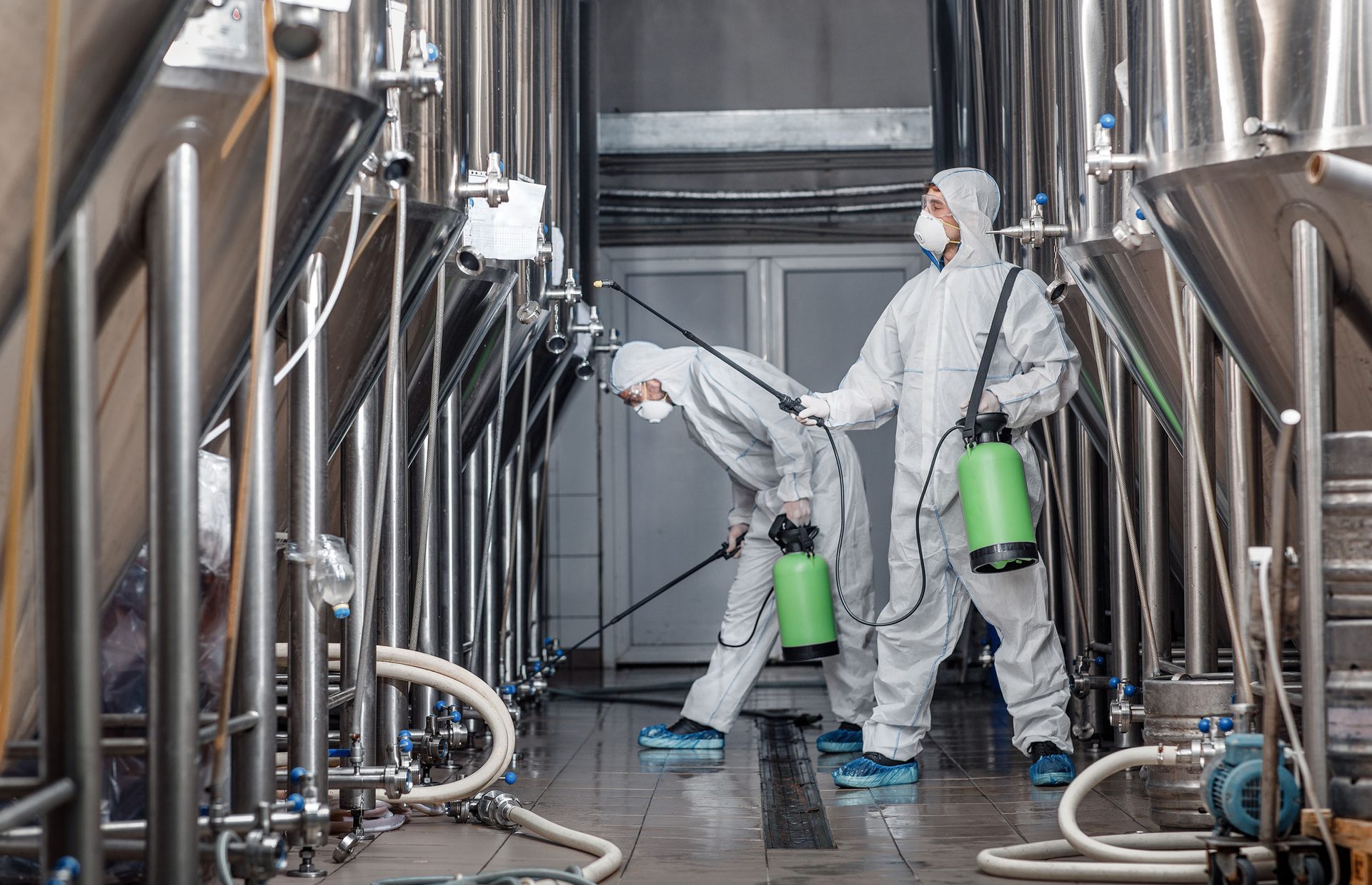
Image credit: Tatiana/iStock/Getty Images Plus via Getty Images
SCROLL DOWN
The Integrated Food Safety System (IFSS) is built on a simple but powerful idea: no single agency can protect the nation's food supply alone. Food moves across cities, states, and international borders every day. To keep pace, federal, state, local, tribal, and territorial partners must work together in a coordinated way, with shared standards and mutual trust.
This vision of an integrated system is not new. It has guided the work of the Food and Drug Administration (FDA) and its partners for more than a decade. But for the IFSS to succeed, it requires more than shared goals; it requires a workforce that is consistently trained, able to demonstrate competency, and ready to adapt to emerging challenges. That need for consistency and comparability across jurisdictions is what led to the creation of the National Curriculum Standard (NCS) and the Regulatory and Laboratory Training System (RLTS). Because the IFSS is only as strong as the people who make it work, the RLTS and NCS were built as a shared, competency-based investment in the workforce that protects our food supply.
The NCS is the backbone of the RLTS, serving as a nationally agreed-upon framework that defines what food safety professionals need to know and be able to do. Organized by job role, it establishes peer-reviewed competencies—knowledge, skills, and behaviors—required of inspectors, laboratorians, and program managers, and links them to training and assessment tools that verify proficiency. The RLTS builds on this foundation, providing the structure, tools, and access to training that bring the NCS to life. Together, they ensure that consistent, high-quality resources are available to food safety professionals across the country.
This does not replace the training system we already rely on; it enhances it. The current FDA and partner-led trainings have built credibility and prepared the workforce for decades. The RLTS and NCS are the next steps forward, making training more flexible, more accessible, and more focused on measurable competence. Importantly, they also broaden the circle of contributors: associations, academic partners, and industry will help design and deliver high-quality courses alongside FDA, ensuring a richer, more diverse training system that keeps pace with emerging challenges.
The RLTS is still being built, offering a unique opportunity. We can take what has worked well, address the challenges, and design a system that supports the workforce long into the future.
Governance and Structure
At the heart of the RLTS is the National Coordination Center (NCC), a central coordinating body rather than a physical location. It brings together training standards, resources, and systems under one framework: maintaining the national competency standard, overseeing quality, and curating a catalog of learning resources. By coordinating these functions, the NCC ensures that training is consistent, portable, and accessible across the IFSS.
Governance is shared. FDA provides base funding and alignment with the regulatory standards. The RLTS Steering Committee offers oversight, approves updates, and promotes the system. The NCC manages daily operations and ensures sustainability.
The Steering Committee includes FDA, the Centers for Disease Control and Prevention (CDC), the Department of Agriculture (USDA), and major associations such as the National Association of State Departments of Agriculture (NASDA), the National Environmental Health Association (NEHA), the Association of Food and Drug Officials (AFDO), the Association of American Feed Control Officials (AAFCO), the National Association of County and City Health Officials (NACCHO), the Interstate Shellfish Sanitation Conference (ISSC), the Conference for Food Protection (CFP), the National Conference on Interstate Milk Shipments (NCIMS), the Association of Public Health Laboratories (APHL), and the Partnership for Food Protection (PFP). Together, they are the voices of regulators, laboratories, environmental health, agriculture, and industry to ensure that the RLTS meets the needs of the entire food safety system.1
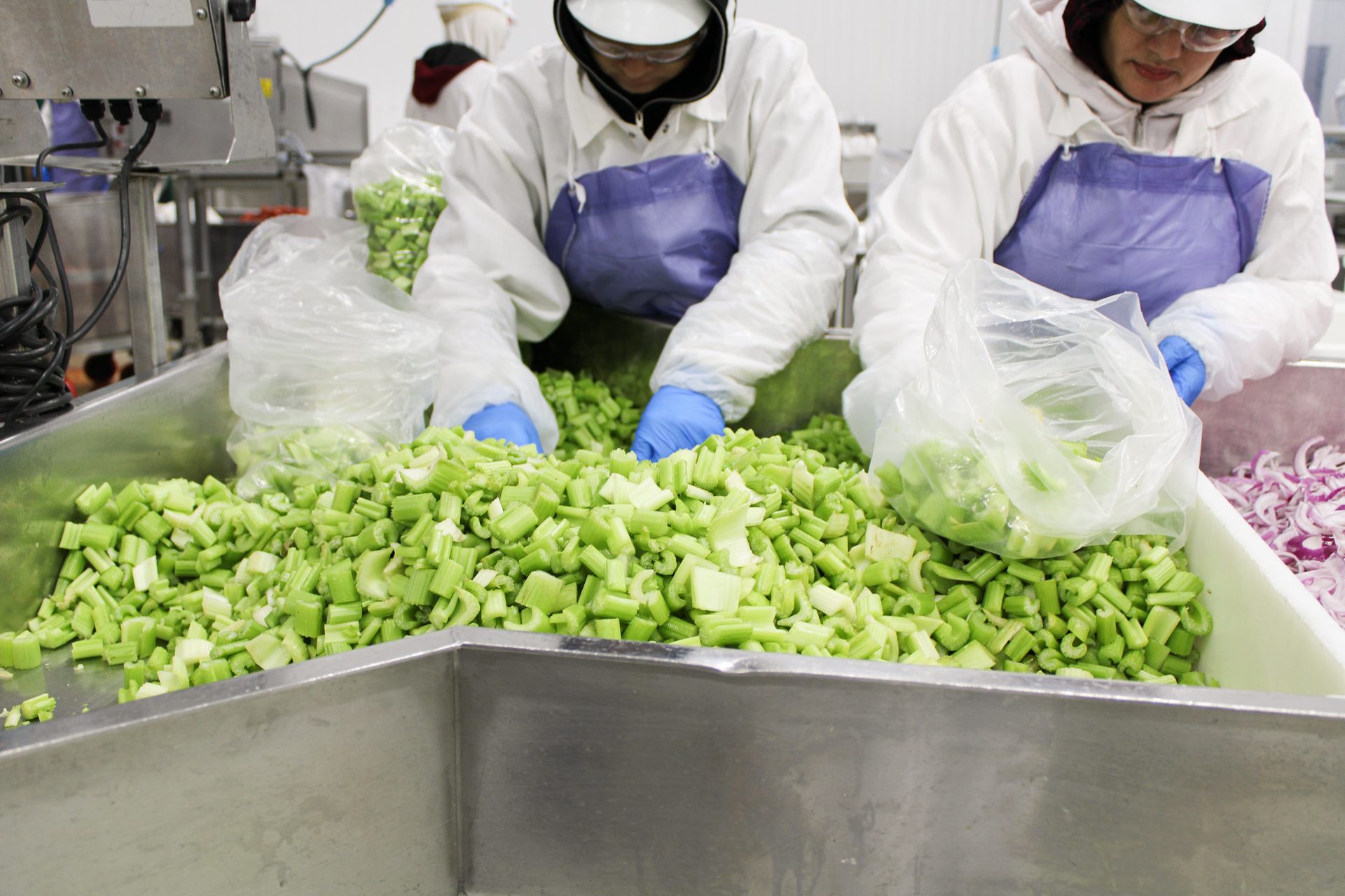
FIGURE 1. Cut Fresh has a number of best practices, auditing, and certification efforts in place to ensure the highest standards of food safety, food quality, and sanitation (Image courtesy of Cut Fresh LLC / Anna Patsakham)

“Instead of measuring progress by the number of courses completed, the NCS measures what truly matters: competency, or the ability to perform a task with confidence and consistency.”
Competency Frameworks
Training is only as strong as the standards on which it is built. Inspectors, laboratorians, and program managers across the country must be able to demonstrate the same skills and knowledge, no matter where they work. That is why the National Curriculum Standard is the foundation of the RLTS.
Instead of measuring progress by the number of courses completed, the NCS measures what truly matters: competency, or the ability to perform a task with confidence and consistency. It creates consistency across jurisdictions, makes competencies portable across roles and agencies, and recognizes learning from courses, fieldwork, mentoring, or testing out.
The NCS is not "one-size-fits-all." It supports career development from entry level to leadership roles and applies across every sector of food safety. Whether in retail, manufacturing, animal food, or laboratories, the framework defines the core knowledge and skills needed for success. For inspectors, this spans risk-based inspections, Food Code application, preventive controls, HACCP, and feed safety; for laboratorians, it encompasses core bench skills through advanced instrumentation, quality assurance, and leadership.
This design gives professionals and their supervisors a roadmap for building skills over an entire career, not just checking off a single course. Competency frameworks also support something bigger than training: trust. When states, labs, and federal agencies all use the same competency standards, there is greater confidence in shared inspection results and laboratory data. This mutual reliance strengthens the IFSS and ensures that the entire system is more resilient.
The RLTS in Action
The RLTS is designed to make training simpler, faster, and more consistent. But what does that look like in real life? Imagine a local health department manager hiring a new inspector. Under the current system, they may wait months for an FDA course, leaving the inspector shadowing but not fully qualified.
With the RLTS, a new inspector creates a competency profile on day one, sees what skills they have and what they need, and chooses from multiple training options to close the gaps. After competencies are demonstrated, inspectors are cleared for independent work—often in a few months instead of half a year. For laboratorians, the RLTS and the NCS provide a career-long roadmap, from foundational skills to specialization and leadership development.
This structure not only helps staff build skills but also increases confidence in lab results across jurisdictions. When every analyst is trained to the same competencies, data can be trusted and compared nationwide.
Agencies benefit, too. The RLTS aligns Standard 2 with training, provides documentation for FDA contracts, and allows training to be planned around real needs instead of course availability. This helps agencies meet mandates more reliably and with fewer delays.
Of high importance, the RLTS also recognizes that competency can be gained in many ways—through mentoring, virtual courses, lab projects, or testing out—giving learners flexibility while ensuring the same trusted outcomes.
Evaluation and Continuous Improvement
The RLTS will include evaluation from the very beginning, with a clear focus on outcomes. While full data is still ahead, evaluation will track how training becomes faster, more consistent, and accessible, using feedback to strengthen the system. Key measures will include time-to-competency, completion rates, staff retention and satisfaction, and equitable access for rural, tribal, and smaller agencies.
Evaluation is more than numbers. The RLTS will create a feedback loop with learners, supervisors, and agencies. Their input will guide updates to competencies, the LMS, and training resources.
“Sustainability also means staying current. The RLTS will maintain a learning agenda, update competencies as needs change, and refresh delivery methods as technology advances.”
Sustainability and the Future
For the RLTS to succeed, it must endure. Sustainability is not just about funding; it is about trust, usefulness, and the ability to adapt.
The RLTS will be guided by practical principles rather than fixed formulas. Shared responsibility across federal, state, local, tribal, association, and industry partners keeps resources flowing back into improving quality, access, and innovation. Transparency through clear governance and routine reporting builds confidence, while scalability and equity ensure that growth expands access for rural, tribal, and under-resourced jurisdictions.
Sustainability also means staying current. The RLTS will maintain a learning agenda, update competencies as needs change, and refresh delivery methods as technology advances. Over time, the system can incorporate features such as portable records, skills recognition, and adaptive learning, always grounded in the NCS.
FDA Leadership
FDA leadership strongly supports the RLTS. With more inspections shifting to state agencies, a robust training system is essential. The RLTS is positioned to play a pivotal role in preparing a skilled state and local workforce. FDA has committed to increased investment and to creating the National Coordination Center, ensuring that training programs, delivery platforms, and instructor networks meet growing needs.
"The RLTS has already laid the foundation for a unified national approach to food safety," said Erik Mettler, Assistant Commissioner at FDA. "By focusing on the competencies required to perform high-quality inspections and laboratory analyses, and by committing new resources to this system, we can ensure that food safety is protected no matter who performs the inspection."
Call to Action
The IFSS is only as strong as the people who make it work, and the RLTS with the NCS was created because partners across the country recognized the need for a consistent, competency-based approach to training. This is not just a federal initiative; it is a shared investment in building the workforce that protects our food supply. The promise is clear: inspectors and laboratorians moving from onboarding to field-ready in months; agencies meeting inspection mandates and program standards with confidence; professionals carrying their competency profiles from one role or jurisdiction to another; and a training system that evolves with new challenges and technologies while staying current and credible.
Everyone has a role to play in making the RLTS a success. Agencies can prepare by aligning internal training with competencies and supporting staff to use the system. Educators, industry, and associations can contribute resources and expertise. Individuals can take ownership of their professional development and embrace new opportunities for growth. The RLTS is moving from concept to practice—the groundwork is laid, the governance is in place, and the framework is ready. What comes next depends on participation and partnership, and that is the call to action: to lean in, engage, and help build a stronger, smarter, and more resilient food safety workforce for the future.
Resource
- International Food Protection Training Institute (IFTPI). "RLTS Partners." https://www.ifpti.org/rlts-partners.
Antonia Giuliano, M.B.A. is a Senior Policy Advisor with the New York State Department of Agriculture and Markets.
Chelsea Gridley-Smith, Ph.D. is a Director of Environmental Health at the National Association of County and City Health Officials (NACCHO).
Rance Baker is the Director of Education and Training for the National Environmental Health Association (NEHA).
Robyn Randolph, M.S. is the Food Safety Program Manager at the Association of Public Health Laboratories (APHL).