SCROLL
DOWN
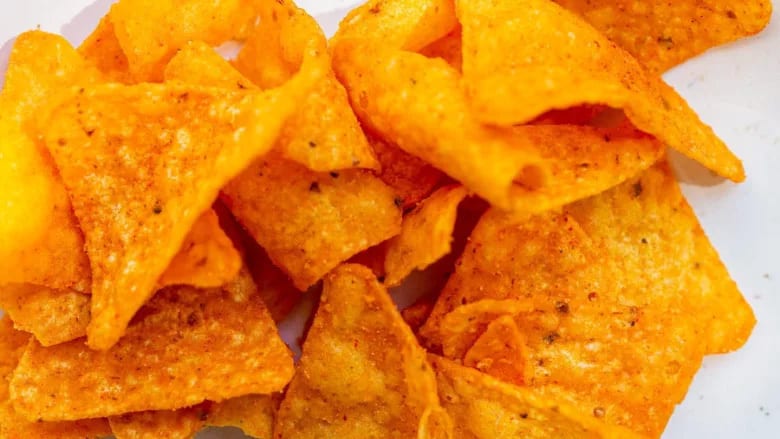
Americans for Ingredient Transparency (AFIT), a conservative-aligned coalition, has launched a campaign urging the U.S. Congress to "correct a maze of state-by-state-laws" that restrict or prohibit the use of colorants, additives, and ingredients in foods. The group is supported by major food industry associations and brands, many of which have made voluntary commitments to phase out synthetic food dyes and other additives, following pressures from the Trump Administration and Health and Human Services (HHS) Secretary Robert F. Kennedy Jr.
Industry associations and companies backing AFIT include the American Frozen Food Institute, the Consumer Brands Association, FMI—the Food Industry Association, The Meat Institute, the National Restaurant Association, Conagra Brands, General Mills, Hormel Foods, Kraft Heinz, Nestlé, PepsiCo, Sysco, Tyson Foods, and the Coca-Cola Company. Of note, the Consumer Brands Association, Conagra Brands, General Mills, Kraft Heinz, Nestlé U.S.A., PepsiCo, and Tyson Foods have all made explicit commitments to phase out artificial food dyes from all or some of their products.
Americans for Ingredient Transparency's Policy Priorities
AFIT calls the emerging patchwork of state laws on food additives "well-intentioned efforts" that are "increasing confusion, rather than providing Americans with the clarity they deserve." With the goal of stopping states from taking matters into their own hands, AFIT advocates for "one uniform national standard for ingredient safety and transparency rooted in science."
Additional policy areas in which AFIT is prepared to work with Congress include:
- Generally Recognized as Safe (GRAS) reform—which Secretary Kennedy has directed the U.S. Food and Drug Administration (FDA) to explore, with a proposed rule in the works
- Front-of-package labeling reform
- QR code reform and a law requiring a QR code on packaging that would enable consumers to scan and instantly access product information.
Americans for Ingredient Transparency vs. RFK Jr. and MAHA
Although AFIT says it is "ready to work with the Trump Administration" on federal food reform, Secretary Kennedy is best known for his "Make America Healthy Again" (MAHA) agenda, which is cited as inspiration for several of the pending and passed state-level food laws that AFIT oppose.
At the same time, despite a crackdown on synthetic food dyes, chemical ingredients, and other additives being a stated tenet of Secretary Kennedy's MAHA initiative, HHS and FDA, under his leadership, have done little in the way of enforceable rulemaking or statutory changes to legally require industry to cease the use of certain ingredients. Secretary Kennedy has acknowledged that FDA does not have any formal agreement with industry to phase out the use of synthetic food dyes or any other ingredients, relying instead on voluntary compliance.
The Current Landscape of State-Level Bans on Food Dyes and Additives
As of the time of publication, the only enforceable bans or restrictions on the sale or manufacture of foods containing certain additives and colorants have been enacted at the state level—beginning with the passage of the California Food Safety Act in 2023 and the California School Food Safety Act in 2024, before MAHA was a household term and prior to the Trump Administration and Secretary Kennedy taking office.
More recently, Texas and Louisiana have passed laws requiring a warning label on foods containing any one of more than 40 additives, with the bills' sponsors aligning their legislations with the MAHA movement. West Virginia also passed a law banning the sale of foods containing any one of seven dyes or two additives by 2028. Other states that ban foods containing certain colorants and additives from being sold in public schools include Arizona, Delaware, Louisiana, Tennessee, Texas, Utah, and Virginia.

Industry Giants Support New Coalition Aimed at Stopping MAHA-Aligned State Food Additive Bans
USDA-FSIS Now Includes Gluten in Major Allergen Verification Activities
Image credit: Dr_Microbe/iStock / Getty Images Plus via Getty Images

The U.S. Department of Agriculture's Food Safety and Inspection Service (USDA-FSIS) has reissued its directive to inspectors about verification activities for major allergens to include gluten. Specifically, FSIS revised the directive "Ongoing Verification of Product Formulation and Labeling Targeting the Nine Most Common ("Big 9") Food Allergens," which provides instructions to inspection program personnel (IPP) for performing Big 9 Formulation Verification tasks.
IPP verify that establishments are accurately controlling and labeling the nine most common (Big 9) food allergens, and now gluten, in establishments producing meat (including Siluriformes products), poultry, and egg products. The Big 9 allergens are those designated as "major food allergens" by the U.S. Food and Drug Administration's (FDA) Food Allergen Labeling and Consumer Protection Act (FALCPA) of 2004 and the Food Allergy Safety, Treatment, Education, and Research Act (FASTER Act) of 2021.
Although gluten is not one of the Big 9 major food allergens, IPP will now verify that establishments are accurately controlling and labeling gluten similar to the Big 9 allergens.
California Governor Gavin Newsom has signed into law Assembly Bill (AB) 1264, also known as the Real Food, Healthy Kids Act. The first-of-its kind U.S. legislation establishes a legal definition for ultra-processed foods (UPFs) and tasks the state Department of Public Health with identifying and phasing out the "most harmful" UPFs from California schools. Specifically, the act establishes the first-ever statutory definition of UPFs and directs California's Department of Public Health, in cooperation with leading experts from the University of California, to identify and phase out UPFs of concern from schools by 2035.
The Real Food, Healthy Kids Act defines ultra-processed foods as those "high in" saturated fat, added sugar (or containing a non-sugar sweetener), or sodium, and contains one or more of certain additives, including artificial dyes, flavors, sweeteners, emulsifiers, and thickening agents. Raw agricultural products, minimally processed foods, and pasteurized milk are exempt from the definition of UPFs.
State scientists will determine whether a product should be phased out of schools based on certain factors:
- Whether the product includes additives that are banned, restricted, or subject to warnings in other jurisdictions
- Whether, based upon scientific research, the product or ingredients in the product are linked to cancer, cardiovascular disease, metabolic disease, developmental harms, reproductive harms, obesity, type 2 diabetes, or other health harms
- Whether the product or ingredients in the product contribute to food addiction
- Whether the food meets FDA's definition for "healthy"
- Whether the food is a UPF due to a "common natural additive."
California Enacts Law Defining Ultra-Processed Foods, Will Ban UPFs in Schools
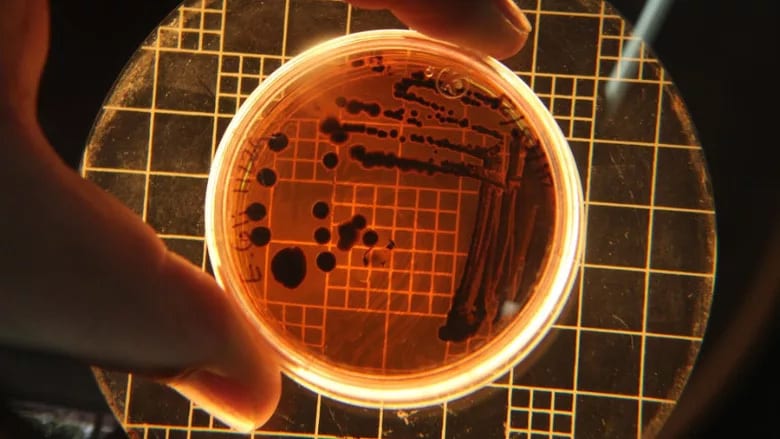
The Cornell College of Agriculture and Life Sciences (CALS) Food Safety Laboratory has developed the Salmonella Serovar Wiki—a web resource for global food safety professionals to rapidly access information about a given Salmonella serovar.
The Salmonella Serovar Wiki provides relevant information on different Salmonella serovars, including information on:
- Likely sources where a given serovar is commonly found
- The geographic distribution of a given serovar
- Previous outbreaks linked to a given serovar
- The association of a given serovar with human illnesses
- Genomic features of a given serovar.
The wiki contains information on more than 100 Salmonella serovars, consolidating data from sources like the European Center for Disease Prevention and Control (ECDC), the U.S. Centers for Disease Control and Prevention (CDC), the U.S. Food and Drug Administration (FDA), and the European Rapid Alert System for Food and Feed (RASFF).
By facilitating rapid access to serovar-specific information, the Salmonella Serovar Wiki can aid both epidemiologists and environmental health professionals in hypothesis generation, outbreak investigations, and research into understudied serovars, ultimately enhancing food safety and public health outcomes.
New Salmonella Serovar Wiki Offers Insights for Food Safety, Public Health Professionals
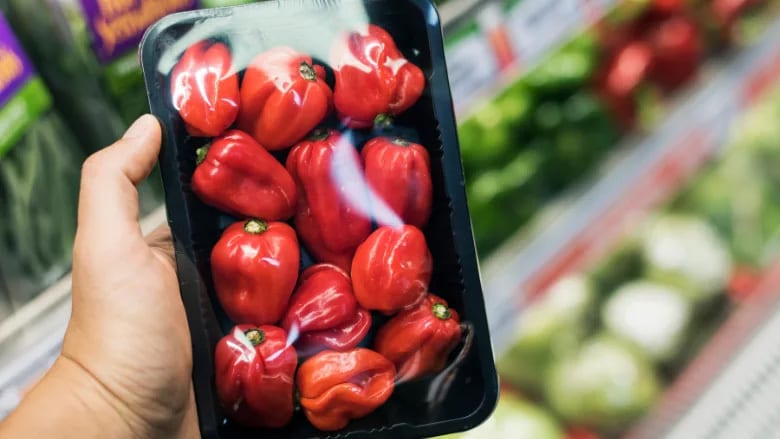
The Sustainable Produce Packaging Alignment (SPPA) has released the Roadmap to Sustainable Fresh Produce Packaging, aimed at transforming packaging practices across the North American fresh produce industry. The roadmap addresses the produce sector's fragmented regulatory environment, inconsistent buyer demands, and the performance gap between conventional and alternative packaging materials.
Development of the guide was led by Western Growers and the Canadian Produce Marketing Association (CPMA). Technical guidance was provided by SPPA technical working groups, comprising fresh produce industry stakeholders directly involved in packaging development and fresh produce industry adoption, and representing the interests of each commodity group.
Central to the roadmap is the concept of "functional sustainability," which reframes packaging sustainability to prioritize its role in preserving food quality and safety throughout the supply chain. Rather than focusing solely on recyclability or compostability, the roadmap emphasizes the environmental cost of food waste and the importance of packaging that prevents it. Life Cycle Assessment (LCA) data demonstrates that the agricultural production phase carries a significant environmental footprint, and when packaging fails, the loss extends beyond the food itself to the water, land, and energy invested in its production.
The roadmap proposes a three-pillar framework for selecting the most sustainable packaging for fresh produce:
- Upstream considerations around material sourcing and LCA-informed design
- Midstream functionality to ensure protection and efficiency
- Downstream strategies that align with existing waste management infrastructure.
The roadmap also introduces a commodity grouping system—categorizing fresh produce as "Robust," "Resilient," "Delicate," or "Highly Perishable"—to guide targeted innovation and improve supply chain performance.
The roadmap outlines specific actions for stakeholders, urging:
- Growers and packers to design packaging technologies with functionality and LCA data in mind
- Retailers to educate consumers and revise procurement policies, while advocating for improved downstream recycling infrastructure
- Policymakers to implement pragmatic EPR policies, and to harmonize recycling standards and fund infrastructure
- Academia to close research gaps and develop standardized testing protocols.
By aligning environmental goals with the core purpose of packaging—protecting fresh produce—the roadmap offers a unified strategy to reduce waste, mitigate emissions, and enable a more resilient and sustainable supply chain.
Industry Roadmap Rethinks Sustainable Fresh Produce Packaging
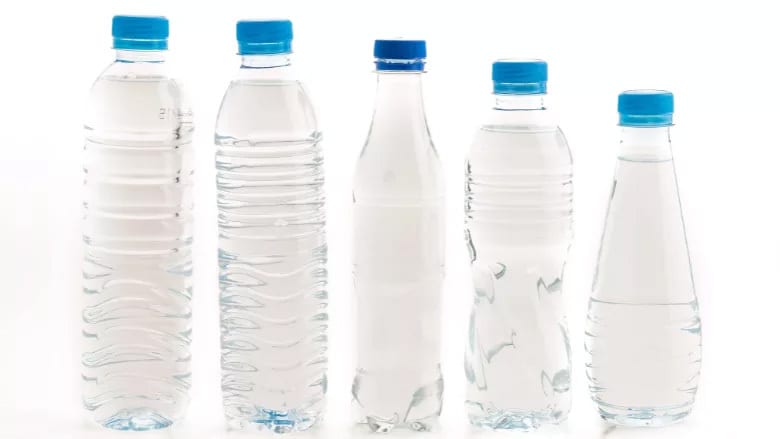
A comprehensive literature review conducted by the European Food Safety Authority (EFSA) Food Contact Materials Working Group has shed light on the release of micro- and nanoplastics from food contact materials (FCMs), revealing both evidence of particle transfer and significant gaps in current research methodologies.
The review analyzed more than 100 studies published between 2015 and January 2025. While most studies focused on microplastics, data on nanoplastics were scarce. Most of the research used water or aqueous simulants to test particle release, with mineral water being the most frequently studied matrix. Real food matrices were rarely examined. Overall, there is no sufficient basis to estimate micro- and nanoplastics exposure from FCMs during their uses.
The researchers found that microplastic release from FCMs is primarily driven by mechanical stress (e.g., abrasion, friction, and fiber shedding) rather than chemical diffusion. Rigid plastic items like water bottles, cups, and tea bags were most commonly tested, with studies showing that repeated opening and closing of bottle caps can generate tens of thousands of particles. However, many of these particles remain trapped at the cap-neck interface and do not transfer to the water.
Tea bags made of synthetic materials also showed evidence of microplastic shedding, although earlier reports of billions of particles per bag have been revised downward. More reliable estimates are in the range of 122,300–222,800 total particles greater than one micrometer (µm) and 5,800–20,400 for identified microplastics per tea bag. Some studies estimate that consumers could consume 10–20 microplastic fibers per serving of tea from bags made of PE, nylon, PET, or PL.
Despite the volume of research, the review highlights widespread methodological shortcomings throughout the studies. These include inconsistent sample preparation, unreliable analytical techniques, and a lack of validated protocols for nanoparticle detection. For example, electron microscopy—commonly used to observe nanoplastics—can produce misleading results due to artefacts formed during sample drying.
Studies on packaged foods were largely limited to bottled water, and few traced micro- and nanoplastics contamination across the full food production chain. Mass-based measurements of particle release were rare, and size reporting often lacked dimensional information, complicating exposure assessments.
The review concludes that while there is clear evidence of microplastic release from FCMs, the actual quantities are likely lower than many studies suggest. Nanoplastics data remain insufficient, and current evidence does not support reliable exposure estimates.
To address these gaps, EFSA recommends that future research focus on:
- Validated test protocols and recovery standards
- Improved analytical methods for particles less than 1 µm
- Accurate identification and quantification of micro- and nanoplastics
- Testing with non-polar foods and simulants
- Expanded studies using real food matrices
- Dietary exposure assessments contextualized against other sources.
EFSA: Current Studies May Overestimate Microplastics Transferring From FCMs Into Food
International Life Sciences Institute Europe (ILSI Europe) has introduced a practical risk prioritization framework designed to identify which mycotoxins present the greatest risk to consumers and where mitigation efforts should be concentrated, offering a new tool for proactive, data-driven food safety management.
Mycotoxins—compounds produced by certain fungi that cause serious health harms—pose a significant and evolving threat to global food safety. These toxins can contaminate crops at multiple stages of the food production chain and can even affect animal-derived products through contaminated feed. As global climate conditions increasingly favor fungal growth, the risk of mycotoxin contamination is expected to rise, prompting urgent calls for more targeted mitigation strategies.
Responding to these threats, ILSI Europe's Food Contaminants Task Force developed a framework that integrates hazard assessment, exposure evaluation, and, for the first time, an analysis of existing mitigation strategies. A proof-of-concept study applied the framework to wheat-based foods such as bread and pasta. Results showed that ochratoxin A in bread ranked highest in terms of mitigation priority, followed by deoxynivalenol. The framework's flexible design allows it to be adapted to other food commodities, contaminants, and climate conditions that influence fungal growth and mycotoxin prevalence.
For food industry stakeholders, the framework offers a tool to optimize resource allocation, enhance supply chain control, and support regulatory compliance. Regulators can benefit from its science-based method for refining surveillance priorities and safety standards. Academic researchers can gain a structured platform to address toxicological data gaps and develop targeted mitigation strategies.

ILSI Europe Introduces Risk Prioritization Framework for Mycotoxins in Food
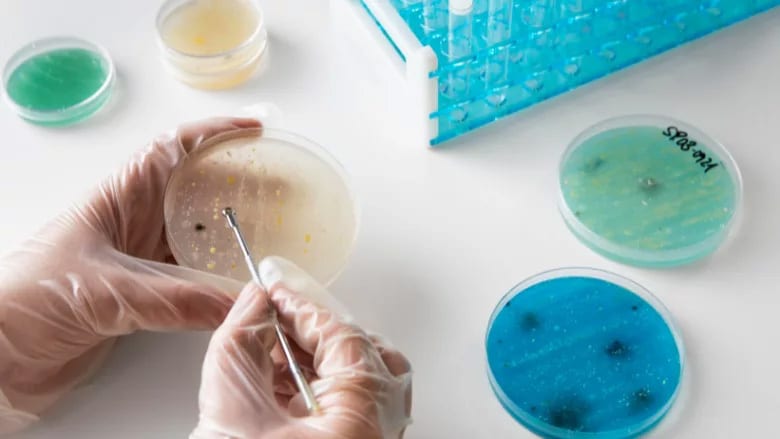
The UK Food Standards Agency (FSA) has completed its £24-million, four-year Pathogen Surveillance in Agriculture, Food, and the Environment (PATH-SAFE) program, which was launched in 2021 to address foodborne pathogens and antimicrobial resistance (AMR) in the UK's agri-food system.
Led by FSA, the program involved eight cross-government partnerships, including with the UK Health Security Agency (UKHSA), the UK Department for Environment, Food, and Rural Affairs (DEFRA), the UK Animal and Plant Health Agency (APHA), Food Standards Scotland (FSS), the UK Environment Agency (EA), the UK Veterinary Medicines Directorate (VMD), the UK Department of Health and Social Care (DHSC), and the UK Center for Environment Fisheries and Aquaculture Science (CEFAS). The project was guided by a One Health approach.
Foodborne pathogen sequencing data was generated for more than 12,500 isolates from over 8,300 samples. The data has helped create new baselines, enhancing understanding of foodborne pathogens and AMR in different contexts, such as livestock and imported feed. Additionally, genomic data platforms for pathogens like Salmonella and Escherichia coli were created through PATH-SAFE and are now being trialed across UK government. These include one flagship platform and 25 tools and models.
New surveillance methods were also developed under the program, including wastewater monitoring. These methods helped highlight the risks associated with hospital waste discharges and the spread of pathogens and AMR into the environment. More than 15 biosurveillance initiatives were launched under PATH-SAFE.
FSA's Food Surveillance Program: Building on PATH-SAFE
Building on the work of PATH-SAFE, FSA is developing a national Food Surveillance Program to strengthen the UK's food safety and authenticity monitoring. The program focuses on boosting lab capacity, advancing testing methods, supporting cross-government collaboration, and using innovation and data to protect biosecurity.
Aligning FSA, FSS, DEFRA, and Integrated Security Fund projects into one National Food Surveillance Program, the program will include four workstreams:
- Enhancing the PATH-SAFE genomic data platform functionality, developing attribution models to define the possible source of human infection, and investigating the use of artificial intelligence (AI) to enhance biosurveillance capabilities
- Analyzing routinely collected samples for the presence of Shiga toxin-producing E. coli (STEC)
- Utilizing outputs from PATH-SAFE, exploring the use of onsite diagnostics technologies at borders and/or abattoirs for pathogen surveillance and early detection systems
- Expanding cross-government collaboration.
The Food Surveillance Program has secured £1.67 million in funding for 2025–2026 and is awaiting the outcome of further funding bids for 2029–2030.
Four-Year UK Foodborne Pathogen Surveillance Program Concludes; FSA to Launch New Initiative
A recent study investigating biofilms in water hoses used in a meat processing facility revealed ubiquitous microbial colonization, reaffirming concerns about hoses as reservoirs for pathogens that could lead to cross-contamination in food production environments.
Biofilms are an important food safety threat in food processing environments, as they can promote the growth and survival of foodborne pathogens that have significant public health implications. For example, another recent study demonstrated Listeria monocytogenes' ability to colonize preexisting multispecies biofilms within hours and persist over time, without disrupting the biofilm's structure or matrix composition. Moreover, research has shown that L. monocytogenes from multispecies biofilms may grow in much greater abundance than those from single-species biofilms.
For the present study, over the course of an eight-month sampling assignment, biofilms were detected in 14 out of 15 water hoses made of thermoplastic elastomer and polyester, most of which were used daily. The 13-millimeter (mm) hoses, which were connected to a drinking water-quality supply, were used for cleaning and sanitation of the equipment and facility, as well as supplying water for food production. Hoses were sampled from five different locations throughout the facility, at three different points across the eight-month period. The hoses were replaced after each sampling event. A regular cleaning schedule for the hoses was not in place.
Using a combination of optical coherence tomography (OCT), biochemical assays, and DNA sequencing, researchers identified and characterized diverse bacterial and fungal populations inhabiting the inner surfaces of the hoses. The most prevalent bacteria present in the biofilm communities included Mycobacterium, Rhodococcus, and members of the families Comamonadaceae and Rhodobacteraceae. Notably, Mycobacterium—which includes opportunistic pathogens like M. avium—was consistently present across all samples. Opportunistic pathogens such as Legionella, Pseudomonas, and Neochlamydia were detected at low levels.
Fungal diversity was limited, with Trichoderma emerging as the most prevalent genus. Other fungi, including Polyschema, Sistotrema, and Asterostroma, were sporadically detected. The presence of Trichoderma, which has been linked to human infections, raises additional health concerns.
Despite uniformity in hose material, water source, and ambient temperature (10–12 °C), microbial communities varied significantly between sampling points. Only one of the hoses was used on a weekly basis as opposed to daily, and that hose exhibited distinct microbial profiles compared to those used more frequently. Variations in water pressure and potential desiccation may have contributed to these differences.
Interestingly, the presence of biofilms did not correlate with usage frequency or sampling time point, suggesting that other operational factors may influence biofilm development. The study also noted that OCT imaging, while useful for detecting thick biofilm layers, may miss thinner or patchy biofilms detectable through biochemical methods.
The detection of opportunistic pathogens and spoilage-associated bacteria—even at low levels—highlights the potential for water hoses to act as reservoirs for contamination. These findings align with previous research indicating that biofilms in water systems can compromise hygiene and product shelf life in food processing facilities.
Given the lack of a cleaning schedule for the hoses and the observed microbial diversity, the study underscores the need for routine monitoring and maintenance of water delivery systems. Future research should aim to identify the specific factors influencing biofilm formation and persistence in food industry settings. The study was conducted as part of a project within the Austrian Competence Center for Feed and Food Quality, Safety, and Innovation.

Study Shows Water Hoses as Reservoirs for Biofilms in Food Processing Facilities

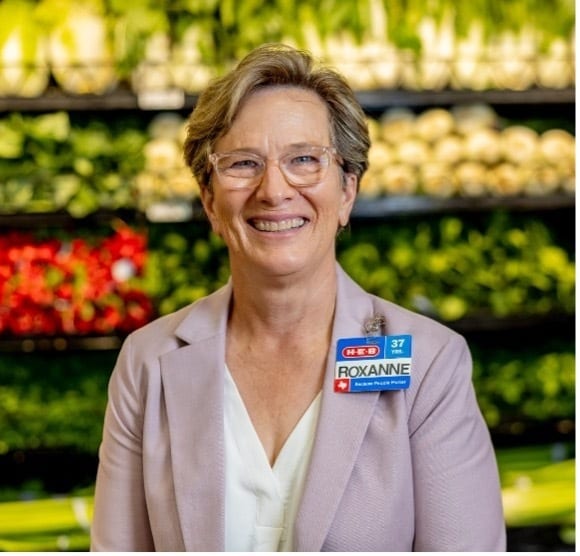
H-E-B has named Chief Operating Officer Roxanne Orsak as its next President, effective January 2026. Orsak, a 37-year company veteran who joined the company in 1988 and became COO in 2022, will become the first woman to lead the company. Current President Craig Boyan will transition to a senior advisor role and retire at the end of 2026.
ORSAK
Manpreet Singh, Ph.D. assumed the presidency of the International Association for Food Protection (IAFP) after the conclusion of IAFP 2025 in July. Dr. Singh is the Associate Dean in the Office of Academic and Faculty Affairs and Professor in the Department of Food Science and Technology at the University of Georgia on the Athens campus. He has been an active member of IAFP since 2001.
Ericson Manufacturing is growing into a third building in Willoughby, Ohio, preparing to add 30 jobs, and investing in advanced technologies like 3D printing and next-generation manufacturing capabilities. In 2025, leadership officially transitioned to brothers John and Josh Ericson—John as CEO and Josh as Vice President of Sales.
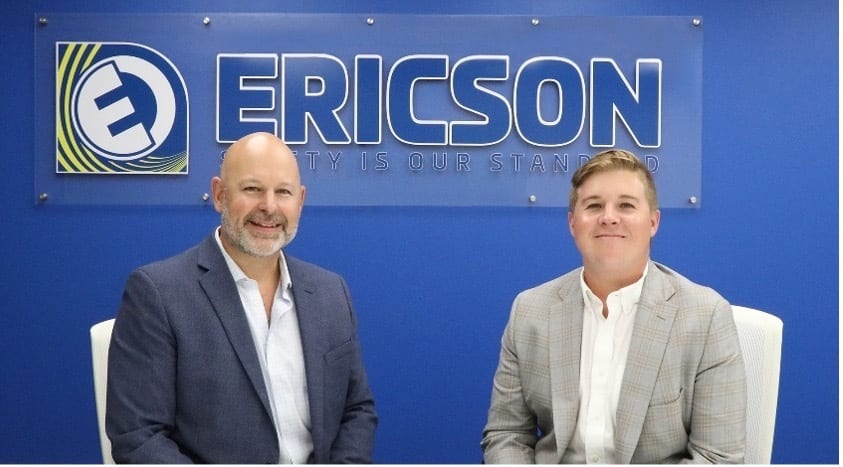
ERICSON BROTHERS
Ruiz Foods has named Stephanie Wilkes as the company's new Chair of the Board of Directors, replacing Dan Antonelli, who will continue to serve as a board member.

WILKES
QualiTru Sampling Systems has appointed Robert D. Byrne, Ph.D. to its Board of Directors.

BYRNE
The National Association of State Departments of Agriculture (NASDA) has elected Maine Agriculture Commissioner Amanda Beal as 2025–2026 President.

BEAL
Douglas Products has appointed Katie Stevens, Ph.D. as a Field Scientist. In this role, Dr. Stevens will support the company's technical and field operations, focusing on applied research, product stewardship, and customer support.

STOP Foodborne Illness Announces 40 Under 40 Class of 2025; The Meat Institute Joins Alliance
The Alliance to STOP Foodborne Illness has announced its 40 Under 40 cohort for 2025, recognizing up-and-coming professionals who are making significant contributions to the field of food safety and food safety culture through their leadership and research. The 2025 honorees were selected based on their accomplishments, impact, and potential to shape the future of food safety. They represent diverse organizations, including trade associations (Western Growers), academia (North Carolina State and the University of Massachusetts at Amherst), media (Politico), industry (Yum! Brands, Nestlé, Heineken), and health agencies (the U.S. Centers for Disease Control and Prevention and the Georgia Department of Public Health), reflecting the multifaceted food safety landscape. The full list of 40 Under 40 Class of 2025 honorees can be viewed on STOP Foodborne Illness' website.
In other STOP news, The Meat Institute has joined the Alliance to STOP Foodborne Illness. Through the partnership, The Meat Institute will promote food safety best practices and engage in other efforts to prevent foodborne illness on behalf of meat and poultry companies. The Alliance comprises more than 20 global member organizations working together to share best practices and advance food safety culture.

NSF Acquires Cambium Analytica
Deepening NSF's innovative analytical testing and product development capabilities, NSF has acquired Cambium Analytica, an analytical testing and development company serving the natural food, beverage, and dietary supplement industries. With the addition of Cambium Analytica, NSF is now positioned to more fully meet the accelerating demands of clients resulting from these macrotrends, enabling companies to grow demand for natural food, beverage, and supplement products while ensuring safety and quality.
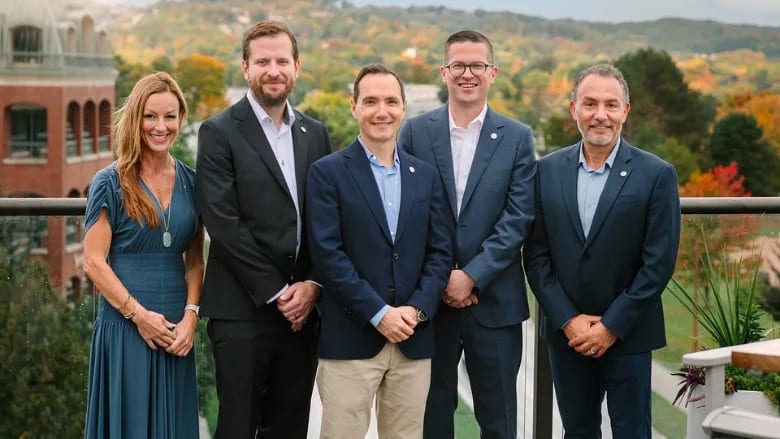
Kurita, Cyclopure Deliver Sustainable PFAS Remediation Solution for Water

Kurita America Inc. and Cyclopure are partnering to deliver an advanced and sustainable solution for removing per- and polyfluoroalkyl substances (PFAS) from water, using a completely regenerable material. Cyclopure's patented DEXSORB technology, combined with Kurita's expertise in water treatment system design and fabrication, offers a reliable, cost-effective, and sustainable solution to meet PFAS water regulations.
Kurita is leading the filtration equipment design and fabrication of a new collaborative PFAS regeneration facility in Michigan, which will serve as a cornerstone for delivering scalable and sustainable PFAS treatment. Cyclopure brings proven expertise in PFAS innovation, with its DEXSORB adsorbent commercially deployed in residential, municipal, military, and industrial applications. Together, Kurita's engineering capabilities and Cyclopure's advanced material science will accelerate the delivery of practical, effective solutions for urgent water remediation challenges.
LuminUltra to Bring Kikkoman Food Safety Testing Solutions to North America
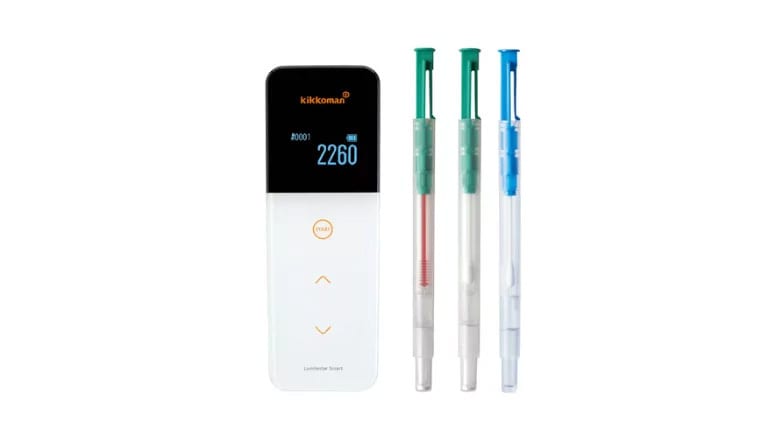
LuminUltra has entered into a distribution agreement with Kikkoman Biochemifa to broaden the availability of Kikkoman's microbiological monitoring technologies for food safety and hygiene across North America. Under the terms of the partnership, LuminUltra will serve as an official distributor of Kikkoman's food safety testing solutions.
As part of the agreement, LuminUltra will offer two of Kikkoman's core technologies: the A3 Hygiene Monitoring System and Easy Plate. The A3 Hygiene Monitoring System measures adenosine triphosphate (ATP), adenosine diphosphate (ADP), and adenosine monophosphate (AMP), providing a more comprehensive assessment of surface cleanliness than conventional ATP-only tests. The expanded detection profile supports informed sanitation decisions, particularly in high-risk sectors such as ready-to-eat foods, dairy, and meat processing.
The Easy Plate technology is a ready-to-use, self-contained, culture-based solution for detecting pathogens and indicator organisms. Easy Plate eliminates the need for media preparation and spreading steps, reducing preparation time and simplifying workflows. When paired with the Colony Counting System, laboratories can further streamline operations by automating colony enumeration.
IFT Develops Open-Source Module for Food Industry to Standardize Traceability Data

The Institute of Food Technologists' (IFT's) Global Food Traceability Center (GFTC) has launched an open-source tool to strengthen interoperability across the food supply chain. The Traceability Driver is designed to make it easier for existing traceability software systems to transform their data into standardized formats, supporting sustainability and supply chain integrity by enabling seamless data exchange. It automates the conversion of traceability data into compliant formats and comes with a fully functional, pre-built Application Programming Interface for efficient sharing. It is deployed locally, meaning organizations retain full control over their data while benefiting from interoperability.
The solution is not only designed to make it easier for industry and technology partners to comply with the requirements of FDA's Food Safety Modernization Act Section 204 (FSMA 204), also known as the Food Traceability Final Rule; it also supports harmonization with other regulations and industry practices, enhancing interoperable, end-to-end traceability that strengthens the integrity of global supply chains.
Food Allergy Canada Offers Video Training Series on Serving Food-Allergic Guests

Food allergies are driving consumer choice and loyalty. According to Food Allergy Canada, 80 percent of food-allergic consumers and 44 percent of people without food allergies say that allergen management policies influence their decisions when choosing a restaurant. To help foodservice businesses train staff on how to safely serve customers with food allergies, Food Allergy Canada has launched "Serving the Food Allergic Guest," a three-part micro-training video series covering communication with food-allergic customers, safe preparation of meals, and ensuring the correct delivery of food.The toolkit, including the new three-part video series, can be accessed at www.thinkfoodallergy.ca.
RESOURCES
The U.S. Food and Drug Administration (FDA) has introduced two resources aimed at improving public access to information following the conclusion of foodborne illness outbreak investigations: Executive Incident Summary (EIS) Abstracts for closed investigations and Foodborne Outbreak Overview of Data (FOOD) Reports. The tools are designed to provide stakeholders—including industry, government agencies, and consumers—with timely and relevant information that may support efforts to prevent future outbreaks.
The EIS abstracts offer a high-level overview of completed outbreak or adverse event investigations involving FDA-regulated human food products. EIS abstracts are available on the CORE Investigations Table and a dedicated EIS landing page.
The FOOD Reports provide retrospective analyses of recurring pathogen-commodity pairs linked to foodborne illness. Each report includes historical data, laboratory findings, traceback results, and prevention activities undertaken by various stakeholders. The reports include background on the food-pathogen pairs, including outbreak history; CORE outbreak data analyses; historical inspections, events, and actions; and post-response analyses.
EIS Abstracts: Foodborne Illness Outbreak Executive Incident Summary Abstracts
FOOD Reports: Foodborne Outbreak Overview of Data (FOOD) Reports
FDA Introduces Two New Resources for Foodborne Illness Outbreak Information
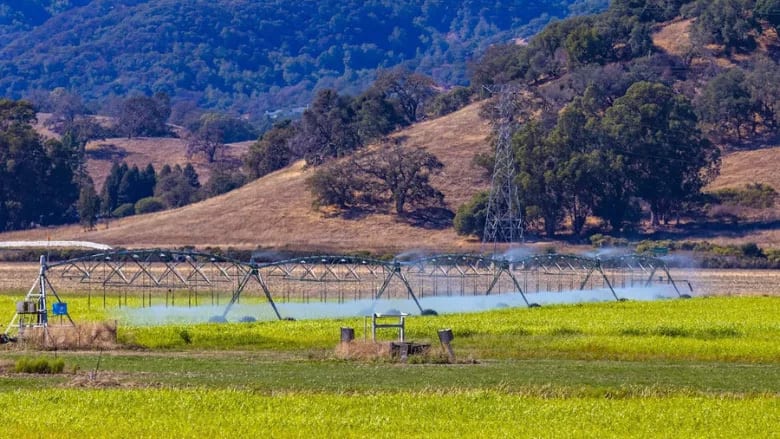
FDA has posted additional resources to support growers, regulators, and other stakeholders in implementing the agricultural water provisions of the Food Safety Modernization Act (FSMA) Produce Safety Rule. Specifically, FDA posted new answers to frequently asked questions (FAQs) related to the agricultural water requirements in the Produce Safety Rule, as well as updated information on how it will implement the pre-harvest agricultural water requirements.
In May 2024, FDA published a final rule that revised certain requirements for pre-harvest agricultural water for covered produce (other than sprouts). These systems-based requirements are in addition to those that were already in place for harvest and post-harvest agricultural water.
The new FAQs were developed to provide information about the agricultural water requirements based on topics covered in the final rules, including the following:
- Inspection and maintenance of agricultural water systems
- Pre-harvest agricultural water assessments (including testing as part of an assessment and assessment outcomes)
- Harvest and post-harvest agricultural water requirements
- Corrective and mitigation measures
- Agricultural water treatment.
Frequently Asked Questions: Agricultural Water Requirements Under the FSMA Produce Safety Rule
FDA Releases New Produce Safety Rule Ag Water Implementation Resources
Did you know that the Food Safety Magazine Editorial Team publishes a twice-monthly video newsreel to keep you informed on food safety news and trends? These high-level video overviews, hosted by Digital Editor Bailee Henderson, cover top news stories and current events impacting the food safety sector. Don't miss an update—watch Food Safety Five on our website, or watch and subscribe to our YouTube channel!
Food Safety Five Newsreel From FSM
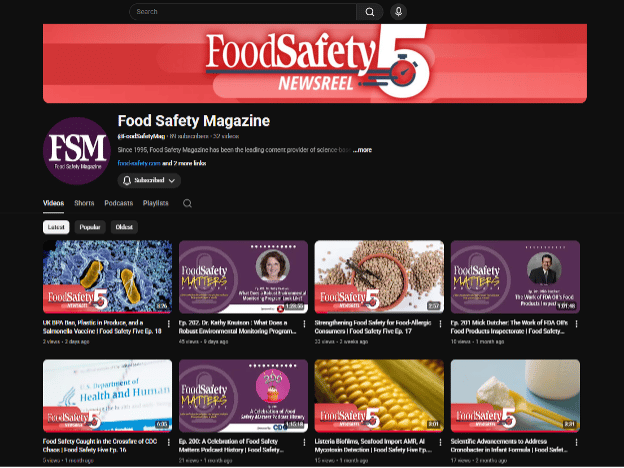
Food Safety Five on FSM Website
FSM YouTube Channel
The European Commission has published a document to answer frequently asked questions about the requirements of new EU legislation that mandates whole genome sequencing (WGS) testing and data reporting for important foodborne pathogens. Regulation (EU) 2025/179 comes into force on August 23, 2026.
Commission Implementing Regulation (EU) 2025/179 aims to facilitate the swift identification of causes of a foodborne illness outbreak and the related batches, lots, or consignments of potentially unsafe food by requiring WGS analysis and reporting to the European Food Safety Authority (EFSA) for isolates of Salmonella enterica, Campylobacter jejuni and Campylobacter coli, Listeria monocytogenes, and Escherichia coli. When one of these pathogens are suspected to be associated with a foodborne illness outbreak, at least one isolate obtained from animals, feed, food, or the feed/food production environment must be analyzed and data must be submitted to EFSA.
In the case of a multinational outbreak, the competent authority of each Member State where an isolate was detected, and where the isolate is associated or suspected to be associated with an outbreak, are responsible for carrying out WGS. Food businesses must submit isolates to competent authorities for WGS, upon request. The data to be submitted to EFSA along with WGS sequences include reference numbers, pathogen species, and date and Member State of samplings, as well as the description of the food, animal species, feed, or environment from which the isolate was derived. Additionally, laboratories conducting WGS analyses should be ISO 17025-accredited.
The European Commission's Q&A document can be found here.
European Commission Publishes Q&A Document for Mandatory WGS Testing and Reporting