TESTING
By Robert W. Powitz, Ph.D., M.P.H., RS, DLAAS, Forensic Sanitarian, R.W. Powitz & Associates
Bioaerosol Monitoring for Food Processors
Both air sampling and air monitoring are necessary to understand the dynamics of bioaerosols of concern
Image credit: onurdongel/iStock/Getty Images Plus via Getty Images
SCROLL DOWN
The basis for an environmental monitoring program (EMP) is systematic sampling and testing of the production environment for potential sources of contamination such as pathogens, allergens, spoilage organisms, and other contaminants. It is essentially a scientific method of validating the effectiveness of a food safety system. In short, surface and product sampling activities provide information on the presence of contaminants and indicator organisms. This helps identify root cause issues and guides remediation and prevention strategies. It answers the questions of "what" is present and "where" it is present, but it does not tell us "why" it is there or "how" it got there in the first place.
This is where the study of airborne transmission or aerosol transmission can prove invaluable in augmenting the effectiveness of a food safety system. Aerosol transmission is transmission of a microbe through small particles suspended in the air. The microbes of concern in an EMP are all capable of airborne transmission through normal human activity, raising of dust, spraying of liquids, or any activities that generate aerosol particles or droplets—which encompass everything done during the production and sanitation processes.
Both air sampling and air monitoring are used to complement EMP efforts.1 Air sampling assesses the airborne environment at a particular point in time, whereas air monitoring documents the changes in air quality and contamination over time. Both activities are necessary to understand the dynamics of bioaerosols of concern.
Passive Air Monitoring
There are two primary air sampling techniques in airborne microbiology: passive and active monitoring. In passive monitoring, settle plates (Petri dishes) are opened and exposed to the air for specified time periods. Ideally, these time periods are during production, sanitation, and shutdown. Passive monitoring helps determine what microbiological particles may be present in the environment by allowing them to settle onto the media surface of the Petri dish. The data gathered allows for comparison of findings by activity and location to potentially effect control measures. The exposed plates are incubated and analyzed. Recovery of the most prevalent organisms can be enhanced by varying incubation temperature. If the exposed plates are initially incubated at 22 °C (71.6 °F) for 24, 48, and 72 hours and then incubated at 36 °C (96.8 °F), both psychrophilic and mesophilic organisms are recovered.
By using both non-selective and selective media, a qualitative analysis of the bioaerosol will complement the findings of the EMP surface and product sampling. It may even provide some insight into the effectiveness of the ventilation system, as well as define biological characteristics and patterns of air movement.
Active Air Sampling
Complementing passive air sampling is active air sampling, which allows for both qualitative and quantitative analyses of the collected sample. In active monitoring, microbial air samplers are used to force air into or onto a collection medium with nutrient agar-based test media. Active monitoring devices are more ideal for sampling low microbial concentrations since microbial contaminants are less likely to be detected by passive monitoring. In addition, using both non-selective and selective media, both airborne disease-causing and spoilage organisms can be found, identified, and quantified.
Most air sampling devices offer a shorter sampling period (e.g., 1 to 60 minutes), which requires pre-planning and constant monitoring while in operation. The collected cultures are incubated and analyzed. It is important to note that microbial air samplers may yield different results within the same area or room based on time and activity. Again, organism recovery may be enhanced by varying incubation temperatures. The collected data from bacterial and/or fungal counts [colony forming units (CFU)] can be identified and comparisons made before, during, and after periods of specific activity such as production, internal transport, packaging, and sanitation.
Pros and Cons of Passive and Active Monitoring
Both passive and active monitoring have strengths and weaknesses. Passive monitoring is not aggressive and may miss critical microbes. However, it allows for a lengthy (approximately 4-hour) sampling period at a relatively low cost. Active monitoring requires equipment purchases or rental, additional training, and in most instances, device qualification. The latter refers to making sure monitoring equipment is properly positioned, operates as intended, and performs consistently under normal conditions as detailed in the user manuals.
Choosing between passive and active air sampling really depends on the testing requirements and goals. In most cases, both methods complement each other in terms of qualitative and quantitative analyses, costs, and time needed for testing.
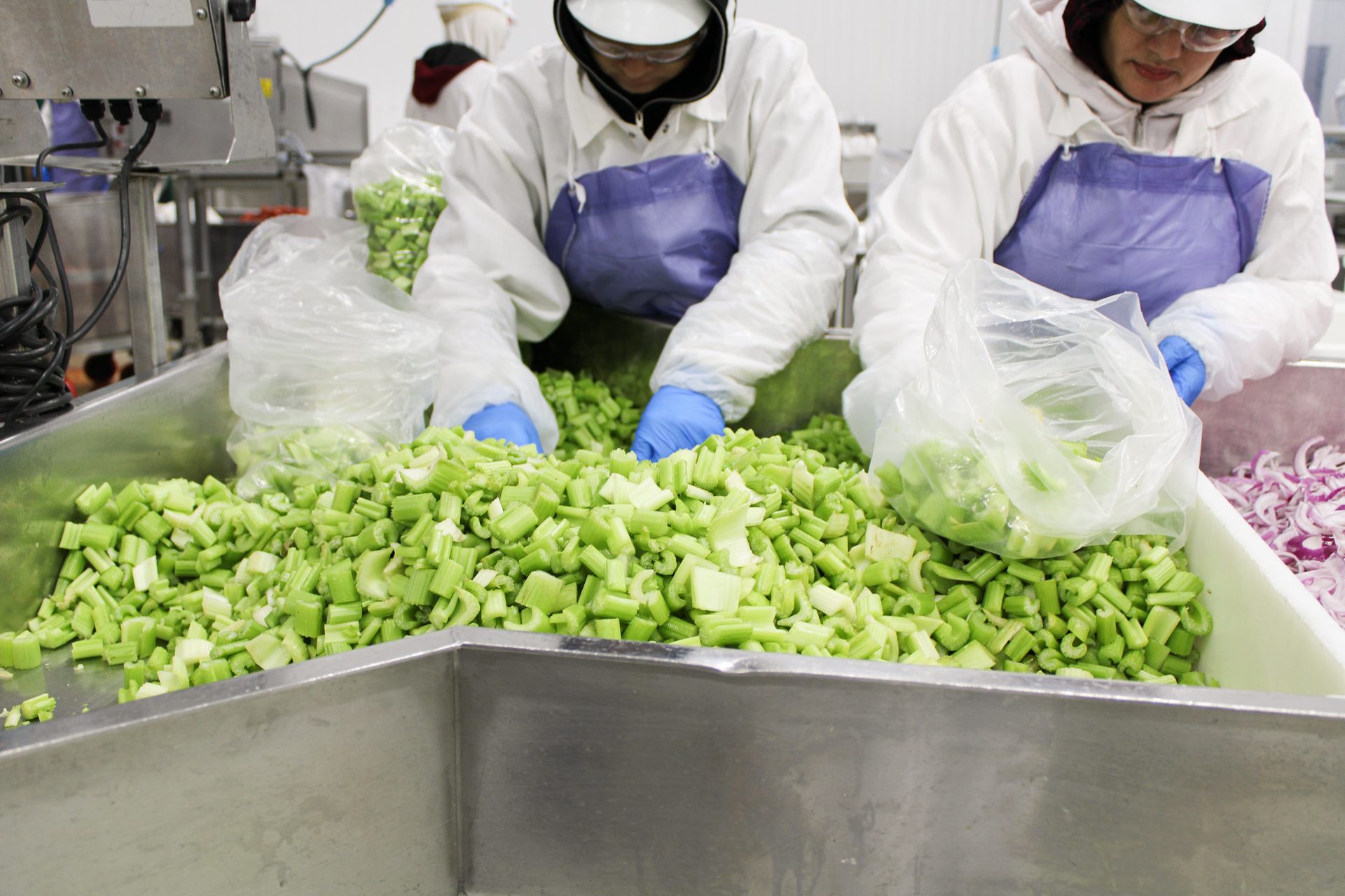
FIGURE 1. Cut Fresh has a number of best practices, auditing, and certification efforts in place to ensure the highest standards of food safety, food quality, and sanitation (Image courtesy of Cut Fresh LLC / Anna Patsakham)

“Active monitoring allows for both quantitative and qualitative analyses of the sample per unit volume of air and provides comparison data for dynamic and static conditions.”
With both passive and active monitoring, personnel are required to physically start the process, set up the settling plate or device, check samples in process, and label and submit the test media for incubation and analysis. Active monitoring allows for both quantitative and qualitative analyses of the sample per unit volume of air and provides comparison data for dynamic and static conditions. Since there is no standardized protocol for collecting air samples, it is difficult to determine whether one method is more effective than the other. However, knowing the difference can help determine which solution will work best within a given work environment.
Air Monitoring Equipment and Processes
There are five active air monitoring systems to choose from: centrifugal, slit-to-agar, sieve samplers, filtration, and liquid impingement. The first three, when used in concert with one another, offer a useful overall representative picture of the aero bioburden of the operation, as discussed below.
Centrifugal Impaction Sampler
The centrifugal impaction sampler consists of an agar strip that is fed into the sampler head. Air is drawn into the top of the unit by means of an impeller, and the organisms are deposited onto the agar strip by centrifugal force. The sampling time can be adjusted according to the expected bioburden (1–10 minutes) and reported as cubic liters or cubic feet of air. These units are lightweight, fast, and easy to use. Due to their portability and ease of use, the centrifugal sampler is ideal for mapping the bioburden throughout the production area. They are particularly useful for defining total bioaerosol concentration in Zones 1 and 2.
Slit-to-Agar Sampler
The slit-to-agar (S/A) sampler consists of a stationary sampling head and a revolving base that holds the agar plate. As the sampler rotates, air is drawn through the slit and microorganisms are deposited on the agar surface. A full rotation of the plate is typically 60 minutes. Organism distribution on the agar is time/concentration dependent. The CFU placement on the agar plate is correlated to the time sampled. This is particularly useful to assess bioaerosol generation by differing operations, conditions, and movement. Since these samplers are rather cumbersome, a single sampling site is chosen and is fixed for the course of the sampling run.
Sieve Impaction Sampler
Sieve impaction samplers draw air through a series of small holes in the sampling head. Organisms are impacted onto the agar surface. They have the distinct advantage of using either RODAC (Replicate Organism Detection and Counting) or 100-mm sampling plates and are extremely useful for evaluating the presence of target organisms in the bioaerosol when used with selective media, with a typical sampling time of 10 minutes per run. The portability of the sieve sampler allows for sampling at several different sites within the production zones.
Air Monitoring Best Practices
Determination of sampling sites, sampling frequency, and collection times for all sampling methods is based on risk and processing schedules. When selecting sampling sites, begin by mapping the manufacturing process and identifying the processing steps, functional units, equipment, and construction materials. In-process sampling provides quantifiable data that can be used to indicate possible loss of process control, as well as analyze data from environmental monitoring programs.
As a prequel to assessing bioaerosols, it is strongly recommended to map the air movement throughout the target sampling area. This is accomplished visually, using non-toxic smoke pencils ("stage" smoke) for gross air movement and smoke pens (visible smoke or vapor) for low-velocity air movement, leaks, and smaller air pattern assessments.
Finally, frequent, regular monitoring of three additional parameters will prove invaluable to understand the results of the bioaerosol qualitative, quantitative, and functional activity of the target area. These include temperature, humidity, and fine particulate matter of 10 microns and smaller. The sampling devices for these air quality measurements do not need to be exacting; they are used only for reference. The devices used for measuring these parameters are portable, inexpensive, and easy to use.
Takeaway
Including bioaerosol evaluation in an environmental monitoring program will provide answers to the questions of "why" a contaminant is there and "how" it got there in the first place. This additional information will go a long way toward developing and implementing corrective and preventive measures.
References
- Powitz, R.W. "Air Quality Monitoring for Food Processors: Tackling the Problem of Dust." Food Safety Magazine. August 18, 2025. https://www.food-safety.com/articles/10622-air-quality-monitoring-for-food-processors-tackling-the-problem-of-dust.
Additional Reading
- Macher, J., Ed. Bioaerosols: Assessment and Control. American Conference of Governmental Industrial Hygienists, 1999.
- Lorenzo, J.M., P.E. Munekata, R. Dominguez, M. Pateiro, J.A. Saraiva, and D. Franco. "Chapter 3: Main Groups of Microorganisms of Relevance for Food Safety and Stability: General Aspects and Overall Description." Innovative Technologies for Food Preservation. Academic Press, 2018. https://www.sciencedirect.com/science/chapter/edited-volume/pii/B9780128110317000030.
- Fernstrom, A. and M. Goldblatt. "Aerobiology and Its Role in the Transmission of Infectious Diseases." Journal of Pathogens (January 2013): 493960. https://pmc.ncbi.nlm.nih.gov/articles/PMC3556854/.
Robert W. Powitz, Ph.D., M.P.H., RS, CF-SP, a forensic sanitarian, is Principal Consultant and Technical Director of Old Saybrook, Connecticut-based R.W. Powitz & Associates, a professional corporation of forensic sanitarians who specialize in environmental and public health litigation support services to law firms, insurance companies, governmental agencies, and industry.