SCROLL
DOWN
USDA Announces FSIS Reorganization
Image credit: Dr_Microbe/iStock / Getty Images Plus via Getty Images

The U.S. Department of Agriculture (USDA) announced a major reorganization of its Food Safety and Inspection Service (FSIS), which oversees the safety of meat, poultry, and processed egg products in the U.S. food supply. As part of the restructuring, USDA said it will establish a new National Food Safety Center in Urbandale, Iowa, intended to serve as the central hub for FSIS administrative, technical, and support operations. The agency also plans to expand its scientific and laboratory capabilities in Athens, Georgia, through a strengthened FSIS Science Center.
According to USDA, the changes are intended to modernize FSIS operations, improve coordination, reduce duplication, and better align agency resources with the nation's agricultural production landscape. Approximately 200 positions are expected to relocate from Washington, D.C. to Iowa and Georgia, while some policy and congressional affairs functions will remain in the capital. USDA officials stated that the reorganization will not affect frontline inspection personnel responsible for daily oversight in federally inspected establishments.
USDA said the Iowa center will focus on administrative and technical support functions, while the Georgia expansion will bolster microbiology, chemistry, and epidemiology capabilities. USDA also indicated that a smaller, international-focused FSIS presence will be established in Fort Collins, Colorado.
The changes are part of a broader USDA restructuring effort announced in July 2025, which also includes reorganization of the Research, Education, and Economics (REE) area. Plans include relocating Economic Research Service (ERS) and National Institute of Food and Agriculture (NIFA) positions to Kansas City, Missouri, decommissioning the Beltsville Agricultural Research Center, and consolidating National Agricultural Statistics Office (NASS) positions into St. Louis, Missouri while maintaining field operations.
FDA testing results showed that infant formula sold in the U.S. contains either undetectable or very low levels of environmental contaminants and chemical impurities, according to recently released agency data. The testing focused on contaminants including arsenic, lead, cadmium, mercury, perchlorate, bisphenol A (BPA), acrylamide, and per- and polyfluoroalkyl substances (PFAS). FDA said the findings indicate that infant formula available to U.S. consumers does not pose a safety concern based on current scientific evidence and existing exposure thresholds.
The agency analyzed samples from a variety of powdered and liquid infant formulas marketed in the U.S. and reported that most contaminants were either not detected or were present at levels below established health-based guidance values. FDA stated that the detected concentrations were significantly lower than levels considered likely to cause adverse health effects in infants. In many cases, contaminant concentrations were comparable to or lower than those found naturally in foods and the environment.
FDA emphasized that the presence of trace contaminants in food products is often unavoidable because these substances are widespread in air, soil, and water. However, the agency said it continues to monitor infant formula and other foods closely due to the heightened vulnerability of infants and young children to chemical exposures. FDA also noted that it is working with manufacturers and federal partners to further reduce contaminants, where feasible, through its Closer to Zero initiative and related food safety efforts.
The findings come amid increased public and political scrutiny surrounding contaminants in infant formula and baby foods, including recent state-led testing initiatives and broader debates about chemical exposure risks in the food supply. FDA said the latest data reinforce the nutritional safety and reliability of infant formula products currently on the U.S. market while supporting continued surveillance and risk assessment efforts.

FDA Testing Shows U.S. Infant Formula is Safe
FDA Launches BRIDGE Project and One-Day Inspectional Assessment Program
Image credit: Dr_Microbe/iStock / Getty Images Plus via Getty Images

FDA recently announced two related initiatives aimed at modernizing food facility oversight and improving the efficiency of inspections: the launch of the "BRIDGE" project and a new, one-day inspectional assessment program. Together, the efforts reflect the agency's broader push toward more risk-based, streamlined, and technology-enabled regulatory oversight of the food industry.
The BRIDGE project, which stands for "Building a Responsive Infrastructure for Delivering Greater Efficiency," is intended to modernize FDA's inspection framework for human and animal food facilities. According to FDA, the initiative will evaluate how inspections are planned, conducted, documented, and communicated, with the goal of creating a more agile and consistent system. The agency said BRIDGE will focus on improving data-sharing, leveraging technology, reducing redundancies, and strengthening coordination across FDA programs and state regulatory partners. FDA also indicated that stakeholder feedback from industry, regulators, and consumer groups will help shape the project as it develops.
Shortly after announcing BRIDGE, FDA unveiled a pilot program for one-day inspectional assessments, which are shorter, targeted inspections intended to reduce burdens on both investigators and facilities while still supporting regulatory oversight. Unlike traditional, multi-day inspections, the one-day assessments will focus on specific operational or compliance areas and are designed for facilities with relatively straightforward operations or strong compliance histories. FDA said the program may allow the agency to evaluate more facilities using available resources while minimizing operational disruption for industry.
FDA emphasized that the one-day assessments are not replacements for full inspections and may still lead to more extensive follow-up inspections if concerns are identified. The agency described the approach as part of a broader effort to apply risk-based oversight more efficiently while maintaining food safety protections. Industry stakeholders are expected to watch closely as FDA tests whether the streamlined model can improve inspection capacity without compromising regulatory rigor.
The initiatives come as FDA continues broader modernization efforts under the Human Foods Program reorganization and faces ongoing scrutiny over inspection backlogs, resource constraints, and the consistency of food safety oversight. Together, the BRIDGE initiative and the one-day inspectional assessment program signal FDA's intention to reshape how food facility inspections are conducted in an increasingly data-driven regulatory environment.
The European Food Safety Authority (EFSA) recommended establishing maximum limits for glycerol exposure in beverages after determining that some consumers, especially children, may be exposed to potentially concerning levels of the substance through certain slush ice drinks and similar products. EFSA's assessment focused on glycerol (E422), a food additive used as a sweetener, humectant, and texture agent that is commonly added to slush beverages to maintain their semi-frozen consistency.
According to EFSA, available data showed that high acute exposure to glycerol can cause adverse effects such as headaches, nausea, vomiting, dehydration, low blood sugar, and in severe cases, shock or loss of consciousness. Children are considered particularly vulnerable because of their lower body weight and the possibility of consuming large portions of glycerol-containing drinks in a short period of time. EFSA said some exposure estimates for young consumers exceeded levels considered safe, especially under high-consumption scenarios.
The agency recommended setting maximum permitted levels of glycerol in beverages, particularly slush ice drinks, to reduce the risk of excessive intake. EFSA also highlighted the need for clearer labeling and consumer awareness measures, noting that many parents may be unaware these products contain glycerol or that overconsumption can pose health risks to children. The assessment followed reports from several European countries describing incidents in which children became ill after consuming slush drinks containing glycerol.
The recommendations may inform future European Commission regulatory action on glycerol use levels and labeling requirements as regulators consider how to better manage acute exposure risks associated with the additive.

EFSA Recommends Setting Limits for Glycerol in Drinks
The European Union introduced new regulations governing crops developed through new genomic techniques (NGTs), marking a significant shift in the bloc's approach to gene-edited plants. The legislation creates a distinct regulatory framework for certain NGT-derived crops, differentiating them from traditional genetically modified organisms (GMOs) and aiming to support agricultural innovation while maintaining food and environmental safety standards.
Under the new rules, NGT plants considered comparable to conventionally bred crops will face a simplified approval process and will not be subject to the EU's existing GMO legislation requirements, such as extensive risk assessments and GMO labeling. These plants, categorized as "NGT Category 1," include crops developed through targeted genetic changes that could also occur naturally or through conventional breeding methods. More complex gene-edited products, categorized as "NGT Category 2," will remain subject to stricter oversight similar to existing GMO regulations.
European policymakers said the framework is intended to encourage the development of crops with traits that support sustainability goals, including improved resistance to pests, disease, drought, and climate-related stresses, as well as reduced reliance on pesticides and fertilizers. Supporters of the legislation argue that the updated rules will help European agriculture remain competitive in biotechnology innovation while advancing the EU's Green Deal and Farm to Fork objectives.
However, the proposal has also generated criticism from some environmental organizations and consumer advocacy groups, which raised concerns about transparency, traceability, and potential unintended ecological impacts. Debates have also continued over patent protections and market concentration, with some stakeholders warning that expanded use of gene-edited crops could increase dependence on large biotechnology companies.
The regulations follow years of discussion within the EU about how to regulate emerging gene-editing technologies such as CRISPR, especially after a 2018 European Court of Justice ruling determined that gene-edited organisms should generally fall under existing GMO rules. The new framework represents a notable policy evolution as regulators attempt to balance innovation, sustainability, consumer confidence, and food safety oversight in the rapidly developing field of agricultural biotechnology.

EU Introduces Regulations for Crops Bred through New Genomic Techniques
A recent study examining environmental monitoring methods in food production facilities found that cotton swabs may be significantly less effective at recovering Listeria monocytogenes from surfaces compared to other sampling tools, raising concerns about the reliability of some pathogen monitoring programs. The research evaluated the recovery efficiency of various swab materials commonly used in environmental sampling and demonstrated that cotton swabs consistently underperformed, particularly on stainless steel surfaces relevant to food processing environments.
According to the researchers at the Universitat Politècnica de València, poor recovery rates increase the risk of false-negative results, meaning facilities may fail to detect L. monocytogenes contamination even when the pathogen is present. The study suggested that the absorbent nature and fiber structure of cotton swabs may trap bacterial cells, reducing the amount transferred to enrichment media during testing. In contrast, alternative materials such as sponge sticks and synthetic swabs achieved substantially higher recovery rates.
The findings are significant because environmental monitoring programs are a cornerstone of Listeria control in ready-to-eat (RTE) food production facilities, where undetected harborage sites can lead to persistent contamination and outbreaks. Effective sampling is especially important for identifying contamination niches on food-contact and non-food-contact surfaces before the pathogen spreads into finished products.
The researchers concluded that food manufacturers and laboratories should carefully evaluate the sampling tools used in environmental monitoring programs to ensure they provide reliable pathogen recovery. The study also underscores the importance of standardized, validated sampling methodologies as regulators and industry continue strengthening Listeria control strategies following several high-profile outbreaks linked to RTE foods.

Study Shows Poor Recovery of Listeria Using Cotton Swabs for Environmental Monitoring
The ninth Global Food Safety Training Survey, conducted by Campden BRI, identified persistent gaps in workforce education, consistency, and effectiveness across the food industry, while also highlighting opportunities to improve training through stronger food safety culture initiatives and more practical learning approaches. The survey gathered responses from food safety professionals across multiple sectors and regions to better understand how organizations are training employees and where challenges remain.
Among the key findings, respondents reported that language barriers, varying literacy levels, employee turnover, limited time, and insufficient engagement continue to hinder effective food safety training. Many organizations also indicated difficulty ensuring that training translates into consistent on-the-job behaviors, rather than simply meeting compliance requirements. The survey suggested that training programs are often heavily focused on regulatory obligations and documentation, with less emphasis on behavioral reinforcement and long-term culture development.
The findings also pointed to growing recognition that food safety training should be tailored to employees' specific roles, educational backgrounds, and work environments. Respondents identified hands-on instruction, visual learning tools, multilingual materials, and ongoing refresher training as especially valuable for improving knowledge retention and employee participation. Additionally, leadership engagement and management support were highlighted as critical factors influencing whether food safety principles are consistently applied in daily operations.
Researchers concluded that strengthening food safety culture requires moving beyond one-size-fits-all training models and toward more continuous, interactive, and behavior-focused education strategies. The survey underscores the industry's increasing focus on human factors in food safety performance, particularly as companies work to reduce risks associated with workforce turnover, labor shortages, and increasingly complex food production environments.

Global Survey Highlights Gaps and Opportunities in Food Safety Training
The World Health Organization (WHO) estimated that every $1 invested in national foodborne disease surveillance systems generates around a $46 return, underscoring the substantial public health and economic value of strengthening food safety monitoring infrastructure. The report builds on earlier findings that foodborne disease caused 600 million illnesses and 420,000 deaths globally, with significant economic losses—particularly in low- and middle-income countries.
Analyzing 17 countries with a combined population of around 800 million, WHO found that improving foodborne disease surveillance systems could reduce illness incidence by 6.4 percent. An estimated $492 million investment over ten years could prevent 19 million illnesses and more than 13,000 deaths, generating $23 billion in value. Without such investments, WHO estimated significantly higher illness and mortality burdens. The report emphasized that benefits vary by country but are greatest in regions with high disease burden and limited treatment capacity.
According to WHO, robust surveillance systems provide economic benefits by reducing healthcare costs, preventing productivity losses, minimizing trade disruptions, and enabling faster outbreak response and containment. The organization emphasized that timely detection of foodborne hazards allows governments and industry to intervene earlier, limiting the scale and duration of outbreaks while improving consumer confidence in the food supply.
WHO also highlighted that many countries still lack adequate surveillance capacity, including laboratory infrastructure, pathogen testing capabilities, epidemiological expertise, and integrated data-sharing systems. These gaps can hinder the identification of outbreak sources and delay public health responses. The organization stressed the importance of coordinated national systems that connect public health agencies, food safety authorities, laboratories, and international reporting networks.

WHO Estimates ROI of National Foodborne Disease Surveillance
The Global Food Safety Initiative (GFSI) unveiled an updated version of its Food Safety Culture Framework, expanding guidance intended to help food businesses assess, strengthen, and sustain food safety culture throughout their organizations. The revised framework reflects evolving industry understanding of how organizational behavior, leadership, communication, and employee engagement influence food safety performance and risk management.
The updated framework identifies five core dimensions of food safety culture: vision and mission, people, consistency, adaptability, and hazard and risk awareness. GFSI said the revisions place greater emphasis on measurable behaviors, continuous improvement, and the practical integration of food safety culture into daily operations rather than treating it as a standalone compliance exercise. The framework is intended to support organizations at varying levels of maturity and across different sectors of the global food supply chain.
According to GFSI, the revised guidance incorporates lessons learned since the framework's original release in 2018, as well as feedback from industry stakeholders, certification bodies, academics, and regulators. The organization also aligned the update more closely with evolving regulatory and certification expectations, including food safety culture requirements incorporated into benchmarking standards and national regulations in recent years.
GFSI emphasized that strong food safety culture depends on visible leadership commitment, employee empowerment, open communication, and the consistent reinforcement of desired behaviors across all levels of an organization. The framework encourages companies to move beyond simple awareness training and instead develop systems that embed food safety into decision-making, operational priorities, and organizational values.

GFSI Unveils Updated Food Safety Culture Framework

Duda Farm Fresh Foods named Amanda Brown-Estelle as National Account Manager.

BROWN-ESTELLE
The Coca-Cola Company named Adrienne Wojciechowski as Director of Federal and Diplomatic Relations.
Robroy Industries appointed Nicole Snyder as Corporate Controller.

SNYDER
Ahold Delhaize has announced the retirement of President and CEO Frans Muller, effective in 2027. Thierry Garnier has been nominated to succeed Muller pending shareholder and regulatory approval.
FMI—The Food Industry Association named Kim Visioni as Director of Health and Well-Being.

VISIONI
Loma Systems appointed Tomasz Strzemecki as North America Sales Director.

STRZEMECKI
Novella Innovative Technology appointed Antonio Martinez Descalzo as CEO.
Food Safety Magazine is saddened to announce the passing of Dr. Frank Busta on January 24, 2026. An internationally recognized food safety expert, Dr. Busta received the magazine's Distinguished Service Award in 2021 for his outstanding service to food safety science. Read more about his contributions to food safety here.

SQF Food Safety Code Edition 10 Arrives in a Digital-First Format
The Safe Quality Food Institute (SQFI) has released Edition 10 of its SFQ Food Safety Code in a digital-first format, marking a shift toward more accessible and interactive food safety certification resources. The updated code is available through the new SQF Edition 10 platform, which was designed to streamline navigation, simplify updates, and improve usability for certified sites, auditors, and stakeholders.
According to SQFI, Edition 10 includes updated requirements aligned with current food safety risks, industry practices, and regulatory expectations. The digital format also enables users to access guidance documents, implementation tools, and code updates more efficiently, supporting facilities as they prepare for certification and compliance activities. For more information on how to access a PDF of Edition 10 and other topics, visit the Edition 10: FAQ page.

CEA Alliance Publishes Updated Food Safety Guide for Leafy Greens, Herbs
The Controlled Environment Agriculture (CEA) Alliance has published an updated version of its food safety guide for leafy greens and herbs grown in indoor and greenhouse production systems. The revised guidance reflects evolving best practices and was developed to support CEA operations in implementing preventive food safety programs tailored to controlled growing environments.
The guide addresses key areas including water management, environmental monitoring, sanitation, employee hygiene, traceability, and hazard analysis. The update incorporates feedback from industry stakeholders and aligns recommendations with current regulatory frameworks and scientific understanding relevant to indoor agriculture production. The guide can be downloaded and read in full here.

Mettler-Toledo Offers Guide to Preventing Physical Contamination

Mettler-Toledo Product Inspection has released a new guide focused on preventing physical contamination in food manufacturing environments. The publication outlines common contamination risks and discusses how inspection technologies can help manufacturers detect and remove foreign materials before products reach consumers.
The guide covers contamination sources such as metal, glass, plastic, stone, and bone, and explains the role of technologies including metal detection, X-ray inspection, and checkweighing systems in supporting food safety and compliance efforts. Mettler-Toledo said the resource is intended to help manufacturers strengthen product inspection strategies and reduce recall risk. The digital guide is available for free download here.
Macrowave RF Pasteurization Validated for Microbial Reduction in Infant Formula Ingredient

Researchers validated Macrowave's radio frequency (RF) pasteurization technology for microbial reduction in a dry infant formula ingredient, demonstrating its effectiveness against relevant pathogens while maintaining product quality. The validation study evaluated the technology's ability to reduce microbial contamination in powdered ingredients used in infant nutrition products.
According to the findings, the RF pasteurization process achieved significant microbial reductions and offered advantages over traditional thermal treatments by reducing processing times and minimizing heat-related quality impacts. The company said the results support the potential use of RF pasteurization as an additional food safety intervention for sensitive dry food products, including infant formula ingredients.
Parts Town Enhances Digital Tools to Help Foodservice Industry Find Equipment Repair Parts

Parts Town announced enhancements to its digital tools designed to help foodservice operators and service technicians more quickly identify and source equipment repair parts. The company said the updates aim to improve operational efficiency and reduce equipment downtime across the foodservice sector.
The upgraded platform features improved search functionality, expanded equipment documentation access, and additional visual identification tools to help users locate compatible replacement parts. Parts Town said the enhancements were developed to simplify maintenance workflows and support faster repairs for commercial kitchen equipment.
RESOURCES
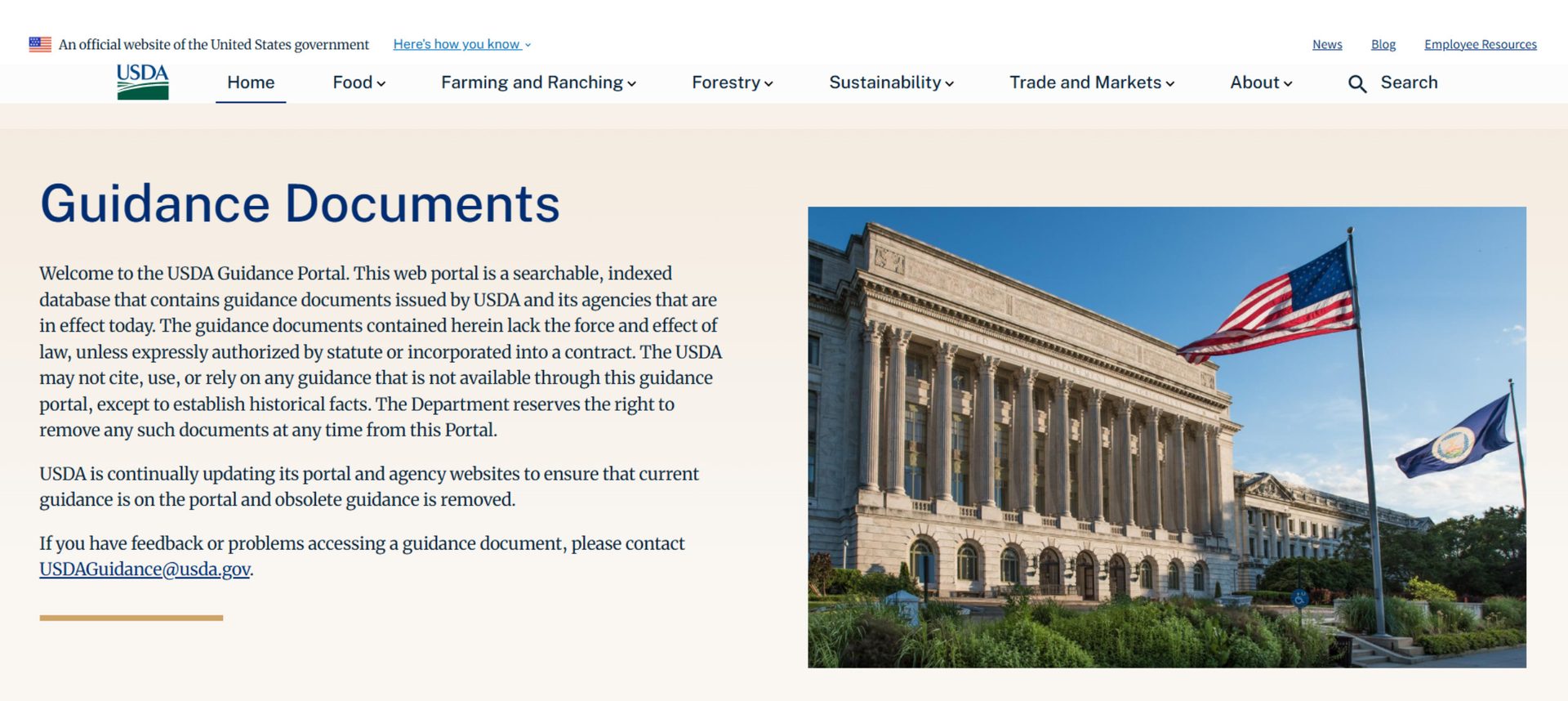
The U.S. Department of Agriculture (USDA) has created a new Guidance Portal, a searchable, indexed database that contains guidance issued by USDA and its agencies. USDA will continually update the portal and agency websites to ensure that they reflect current operations across the 29 agencies and staff offices.
The USDA Guidance Portal can be accessed here.
USDA Launches Searchable Guidance Portal
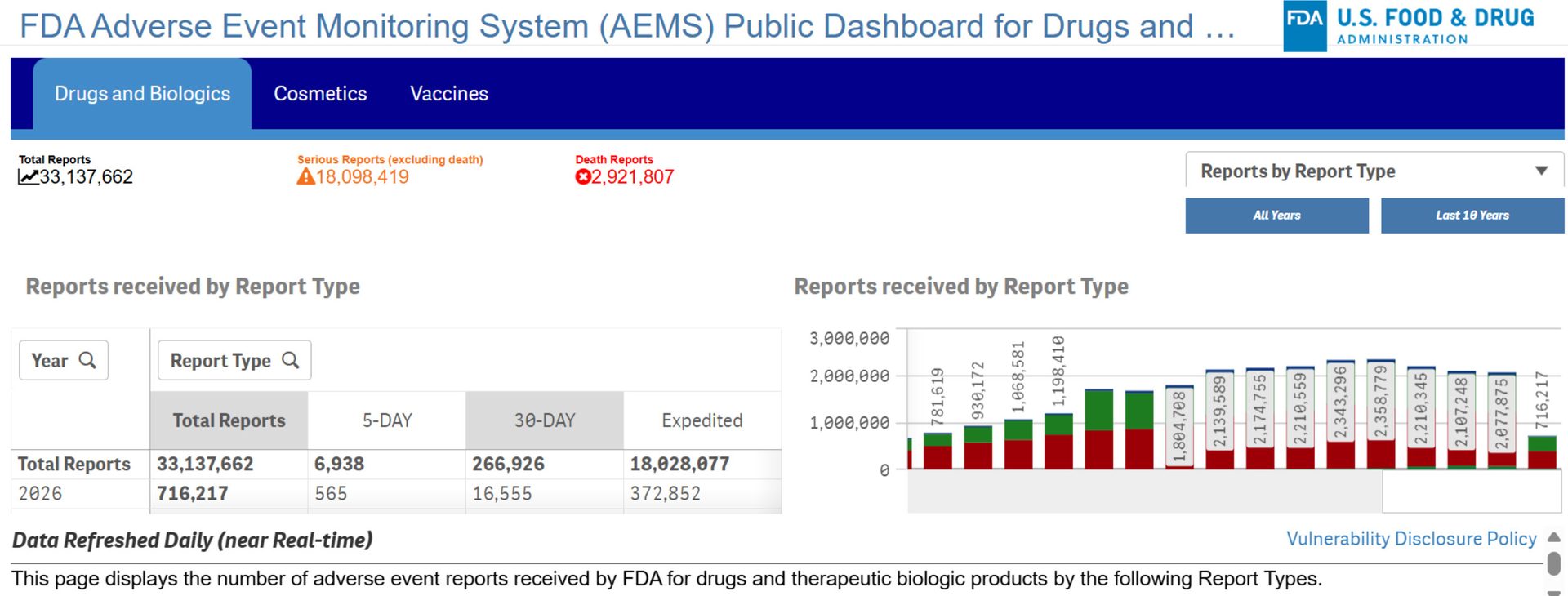
FDA has unveiled a new Adverse Event Monitoring System (AEMS) that streamlines adverse event complaints for all FDA-regulated products into a single platform. AEMS will publish reports in real time, rather than quarterly.
The AEMS Public Dashboard is now available.
FDA Replaces Human Foods Complaint System with New Dashboard
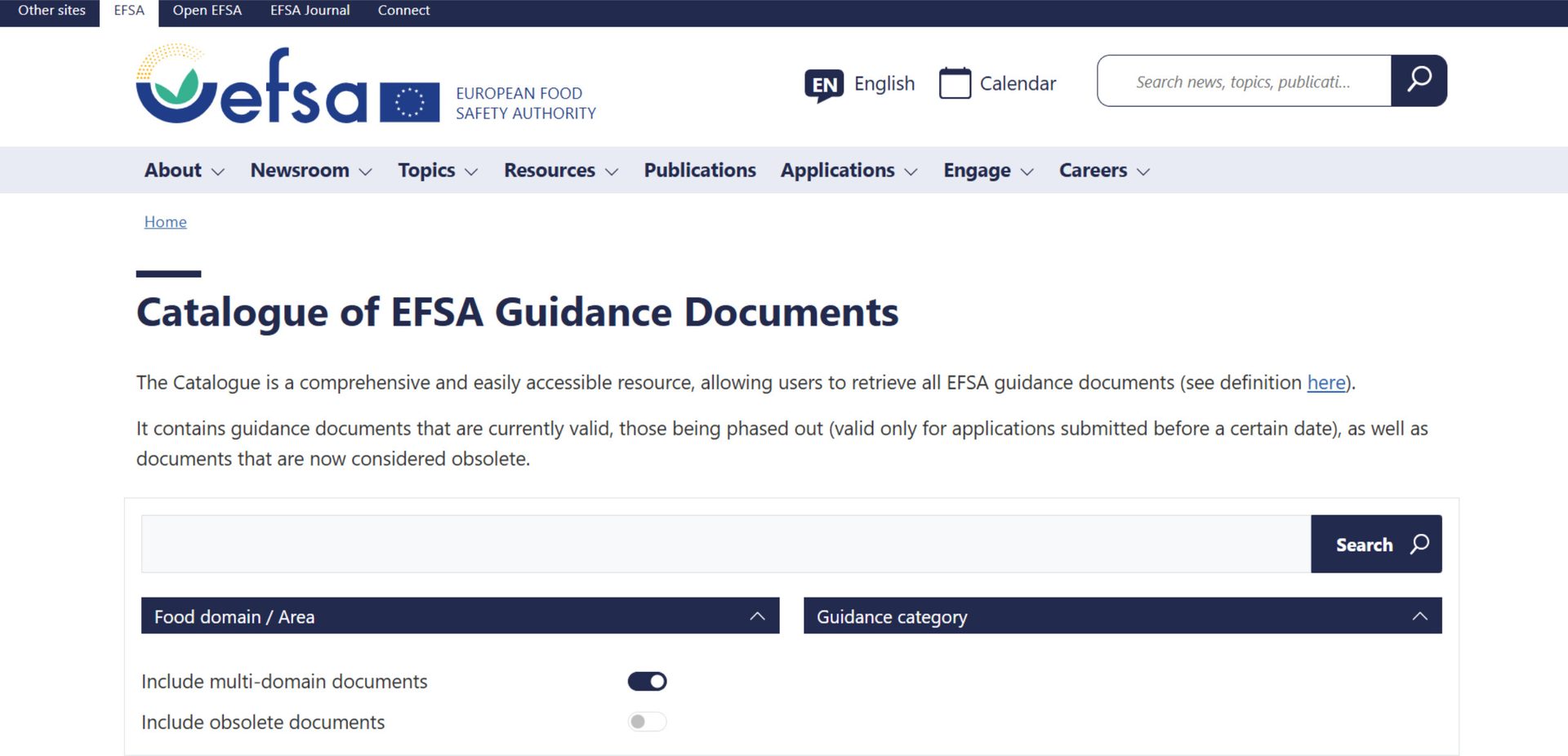
The European Food Safety Authority (EFSA) has completed an overhaul of how its guidance documents are described, stored, and accessed. The change is intended to make guidances easier to find, understand, and use by EFSA scientists, partners, and stakeholders, including applicants.
In addition, new guidance documents that are developed will follow a new, standardized process to improve traceability and predictability for guidance users. All guidances published by the agency can now be accessed in a single place: the new Catalogue of EFSA Guidance Documents.
Another new feature is the EU Library of Food Safety Guidance Documents, which brings together guidance documents produced by EU national competent organizations and risk assessors and gathered by members of EFSA's Advisory Forum and the national Focal Points.
EFSA Makes it Easier to Find and Use Food Safety Guidance Documents