Regulatory Report
By Julie Haendiges, Ph.D., Research Biologist, Human Foods Program, U.S. Food and Drug Administration (FDA); Michael Bazaco, Ph.D., Epidemiologist, FDA; Brett Weed, Dr.P.H., Consumer Safety Officer, FDA CORE; and Spencer Carran, Ph.D., Biologist, FDA
Lessons Learned from Outbreaks: Publications and Reports from FDA's CORE+EP in FY2024
Information collected during a foodborne illness outbreak investigation can be used to inform and improve future investigations and prevention activities
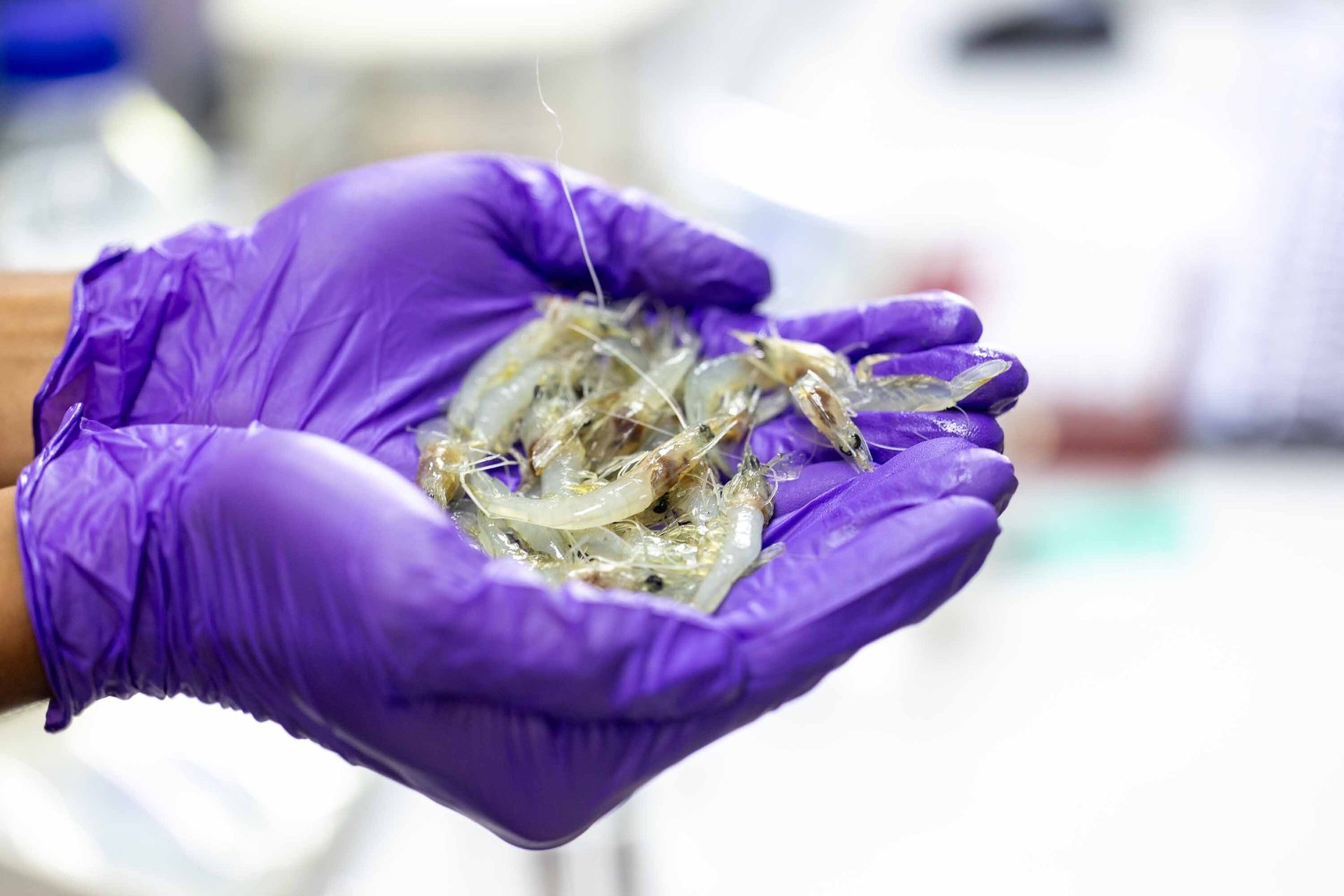
Image credit: Sinhyu/iStock/Getty Images Plus via Getty Images
SCROLL DOWN
The U.S. Food and Drug Administration (FDA) established the Coordinated Outbreak Response, Evaluation, and Emergency Preparedness Office (CORE+EP)1 to enhance outbreak surveillance, response, and post-response initiatives for products regulated by the FDA's Human Foods Program (HFP). In 2019, post-response activities were assigned to the newly formed Outbreak Analytics (OA) team and the Outbreak Evaluation (OE) team. These activities include analyzing outbreak data to provide resources for stakeholders to utilize in food safety decision-making, coordinating all requests for CORE+EP outbreak data, and sharing outbreak findings with food safety stakeholders and the public through publications and presentations.
During a foodborne illness outbreak investigation, information that is collected includes traceback information, facility/firm inspections, and epidemiologic metadata. This information can be used to inform and improve future investigations and prevention activities. One of CORE+EP's aims is to share these findings through peer-reviewed publications. CORE+EP has coauthored four peer-reviewed articles during the previous fiscal year (October 1, 2023–September 30, 2024). These publications highlight relevant topics in food safety and outbreak investigations, including the importance of global partnerships in farm investigations and the benefits of historical environmental surveillance for future outbreak investigations.
Working Together Across Borders
An outbreak of Salmonella Oranienburg that sickened 1,040 people and resulted in the hospitalization of 260 individuals in 2021 was linked to bulb onions grown in Mexico.2 Initially, the epidemiological data identified 25 restaurants that were linked with ill cases, with more than half of them serving Mexican-style foods. The traceback of this outbreak became more targeted when a condiment sample from a case patient's home tested positive for the outbreak strain. The condiment originally contained cilantro, limes, and onions, although at the time of testing the onions had been fully consumed. Due to this mixed commodity condiment, the initial traceback was performed on limes, cilantro, tomatoes, jalapeño peppers, and onions. Further investigative work identified onions as the likely source of the illness.
Onions were traced back to multiple farms located within a 110-mile area in Mexico. The traceback for this outbreak was complex, due to firms in the supply chain having inadequate and inconsistent recordkeeping practices, as well as the comingling of onions during wholesale distribution. The Foreign Supplier Verification Program (FSVP),3 which was enacted with the Food Safety Modernization Act (FSMA) of 2011, requires importers to perform risk-based foreign supplier verifications that ensure imported foods are held to the same high standards as domestically produced foods. During the inspections of import firms, two were cited for not having FSVPs for onions, and a third firm was found to have an incomplete FSVP.
The food regulatory agencies of the U.S. and Mexico regularly collaborate through the Food Safety Partnership (FSP),4 and this partnership was paramount in the traceback and onsite investigations that were conducted. The U.S. imports one-third of FDA-regulated foods from Mexico including 60 percent of its fresh produce,4 highlighting the importance of this continued partnership.
Bulb onions were linked to this outbreak through information collected from sick individuals and traceback evidence. The outbreak strain was not recovered from samples collected during inspections due to delays in identifying onions as the food vehicle; however, the strain was found in an open sample from an ill person's home.
The food supply is a global market, and this outbreak investigation illustrates the importance of each country's cooperation and collaboration to reduce illness burdens.
How Historical Data Assists With Investigations
The U.S. is one of the world's largest consumers of melons, and the majority of these melons are grown domestically.5 Cantaloupes and other melons have been associated with previous outbreaks of Salmonella enterica and Listeria monocytogenes.6,7 In 2022, 87 individuals became sick and 32 were hospitalized across 11 states. The 2022 Salmonella Typhimurium strain that caused this outbreak was highly similar to the one recovered from an environmental sample during an investigation in a 2020 Salmonella Newport outbreak.
After interviews were conducted with the sick individuals for this outbreak, it was determined that the likely cause of the 2022 and 2020 outbreaks was cantaloupes from a region in Indiana. However, for this outbreak, the growing season for cantaloupes had passed, and they were unlikely to remain on the market, so a recall was not issued. The time that it took to recognize the 2022 outbreak and link it to cantaloupes grown in Indiana was two weeks shorter than the 2020 outbreak, demonstrating the importance of surveillance sampling in outbreak investigations.
During this investigation, samples were collected at different farms identified by traceback. The Salmonella Typhimurium outbreak strain was recovered from an environmental sample from one of these farms. The recovered Salmonella Typhimurium outbreak strain was also closely related to the 2020 isolates, which provided evidence that this strain is persistent in the environment. Interestingly, Salmonella Newport isolates matching the outbreak strain from 2020 were also recovered from samples collected during this period.
“In addition to publishing peer-reviewed journal articles with federal, state, local, and international partners, CORE+EP has active roles in several inter-agency efforts including the Foodborne Disease Active Surveillance Network (FoodNet) and the Interagency Food Safety Analytics Collaboration (IFSAC).”

Import Sampling-Assisted Outbreak Investigations
In 2021, the U.S. imported over 890,000 metric tons of shrimp from many different countries, with around 78 percent of shrimp originating from India, Indonesia, and Ecuador.8 Outbreaks caused by contaminated shrimp have rarely been reported in the U.S. While Salmonella is not typically a hazard with wild, ocean-caught shrimp, it can be with aquaculture shrimp. Contamination of pre-cooked shrimp is most often due to inadequate cooking or from post-cooking cross-contamination.
In early 2021, samples of frozen, pre-cooked, ready-to-eat shrimp from a supplier in India were collected at import and found to contain Salmonella Weltevreden.9 This is not a common serotype of Salmonella seen in the U.S.; it is more common in South and Southeast Asia. At the time of sampling, the isolates did not have matches to any clinical isolates in the public database. However, a few months later, clinical cases that were genetically similar began to appear.
A total of nine people in four different states fell ill with salmonellosis in this outbreak. Seven patients provided food consumption information, and all reported eating shrimp. The traceback of the shrimp led investigators to the same supplier in India as the initial import samples. An inspection was conducted, and several violations of the Federal Food, Drug, and Cosmetic Act were identified. Similar to the relationship with Mexico, FDA worked with the government of India to share traceback findings, whole genome sequencing (WGS) data, and details about the recall. The sharing of this data led to follow-up investigations of the facility by both regulatory authorities.
In 2021, Congress mandated that FDA improve regulation of the aquaculture shrimp industry, which included setting up a Regulatory Partnership Agreement (RPA)10 with India, Indonesia, and Ecuador. These countries are the three top exporters of shrimp by volume to the U.S. The partnerships will improve data exchange and export certifications with these top exporters.
The Changing Face of Foodborne Disease Surveillance
In addition to publishing peer-reviewed journal articles with federal, state, local, and international partners, CORE+EP has active roles in several inter-agency efforts including the Foodborne Disease Active Surveillance Network (FoodNet)11 and the Interagency Food Safety Analytics Collaboration (IFSAC).12 In the past year, as part of these groups, CORE+EP coauthored two annual reports.
FoodNet conducts active surveillance at multiple sites across the U.S. on illnesses linked to bacteria and parasites commonly spread through food. It also publishes an annual report that summarizes the preliminary data from the previous year. During 2023, FoodNet data indicated that infections with Campylobacter and Shiga toxin-producing Escherichia coli (STEC) increased, while infections caused by Salmonella and Listeria were stable.13
The data suggests a lack of progress in goals set to reduce foodborne illness, but this could be due to the changing scenery of diagnostic practices. Increasing recovery of isolates after diagnosis via culture-independent diagnostic tests (CIDTs)14 is a matter of public health importance and requires efforts and resources at all levels of the government (local, state, and federal). Use of CIDTs varies across laboratories and targeted pathogens. CIDTs allow for rapid diagnosis of illness but can also have higher false positive rates for certain pathogens, such as Vibrio.15 Overall, CIDTs can be more sensitive and may lead to an increase in detection of illnesses that previously may have been overlooked. This sensitivity may give the impression that more people are sick now than in the past. A downside to the increased use of CIDTs is that fewer isolates are being recovered from ill patients. While isolate recovery is a time-consuming process and can be resource-intensive, it aids in detecting outbreaks and the emergence of antimicrobial resistance by allowing WGS.
IFSAC publishes an annual report that presents outbreak-associated foodborne illness source attribution to food categories for non-typhoidal Salmonella, Listeria, and STEC. In the latest report,16 attribution estimates were published indicating a continued distribution of salmonellosis across a wide range of food categories, with chicken, fruits, and pork being the leading food sources. STEC cases were most often attributed to vegetable row crops (including leafy greens) and secondarily, beef. Listeriosis case estimation has much more uncertainty due to the low numbers of outbreaks, but dairy, vegetable row crops, and fruits were the leading sources.
For more information on IFSAC, see the Food Safety Magazine article, "What Foods Make People Sick? This Federal Collaboration Seeks to Find Out," here.17
References
- U.S. Food and Drug Administration (FDA). "About the CORE Network." Content current as of January 8, 2024. https://www.fda.gov/food/outbreaks-foodborne-illness/about-core-network.
- Mitchell, M.R., M. Kirchner, B. Schneider, et al. "Multistate outbreak of Salmonella Oranienburg infections linked to bulb onions imported from Mexico—United States, 2021." Food Control 160 (June 2024): 110325. https://www.sciencedirect.com/science/article/pii/S0956713524000422?via%3Dihub.
- FDA. "Final Rule on Foreign Supplier Verification Programs (FSVP) At-A-Glance." Content current as of June 3, 2024. https://www.fda.gov/food/food-safety-modernization-act-fsma/final-rule-foreign-supplier-verification-programs-fsvp-glance.
- FDA. "FDA–SENASICA–COFEPRIS Food Safety Partnership." Content current as of September 14, 2023. https://www.fda.gov/food/international-cooperation-food-safety/fda-senasica-cofepris-food-safety-partnership.
- Weber, C, H. Wakefield, and S. Scott. "Charts of Note: No matter how you slice it, watermelon is the United States' favorite melon." U.S. Department of Agriculture, Economic Research Service (USDA-ERS). August 3, 2023. https://www.ers.usda.gov/data-products/charts-of-note/chart-detail?chartId=107025.
- Schwensohn, C., B.Schneider, E. Jenkins, et al. "Notes from the Field: Rapidly Linking an Outbreak of Salmonella Typhimurium Infections to Domestically Grown Cantaloupes Through Early Collaboration—United States, 2022." Morbidity and Mortality Weekly Report 73, no. 5 (February 8, 2024): 114–115. https://www.cdc.gov/mmwr/volumes/73/wr/mm7305a5.htm.
- Federman, S.S., E. Jenkins, C. Wilson, et al. "An investigation of an outbreak of Salmonella Typhimurium infections linked to cantaloupe—United States, 2022." Food Control 166 (December 2024): 110733. https://pubmed.ncbi.nlm.nih.gov/39380968/.
- NOAA Fisheries. "U.S. Imports of Shrimp (All Types) By Country With Comparisons, in Metric Tons." https://www.fisheries.noaa.gov/foss/f?p=215:20:2068633841331.
- Jenkins, E., J. Cripe, B.M. Whitney, et al. "An Outbreak Investigation of Salmonella Weltevreden Illnesses in the United States Linked to Frozen Precooked Shrimp Imported from India—2021." Journal of Food Protection 87, no. 11 (November 2024): 100360. https://pubmed.ncbi.nlm.nih.gov/39284384/.
- FDA. "Enhancing the Safety of Imported Shrimp Through Regulatory Partnerships." Content current as of May 5, 2022. https://www.fda.gov/food/conversations-experts-food-topics/enhancing-safety-imported-shrimp-through-regulatory-partnerships.
- U.S. Centers for Disease Control and Prevention (CDC). "About FoodNet." September 4, 2024. https://www.cdc.gov/foodnet/about/index.html.
- CDC. "About IFSAC." July 30, 2024. https://www.cdc.gov/ifsac/about/index.html.
- CDC. "FoodNet 2023 Preliminary Data." September 4, 2024. https://www.cdc.gov/foodnet/reports/preliminary-data.html.
- CDC. "Foodborne Illness and Culture-Independent Diagnostic Tests." September 10, 2024. https://www.cdc.gov/foodnet/reports/cidt.html.
- Shah, H.J., R.H. Jervis, K. Wymore, et al. "Reported Incidence of Infections Caused by Pathogens Transmitted Commonly Through Food: Impact of Increased Use of Culture-Independent Diagnostic Tests—Foodborne Diseases Active Surveillance Network, 1996–2023." Morbidity and Mortality Weekly Report 73, no. 26 (July 4, 2024): 584–593. https://www.cdc.gov/mmwr/volumes/73/wr/mm7326a1.htm.
- Interagency Food Safety Analytics Collaboration (IFSAC). "Foodborne illness source attribution estimates for Salmonella, Escherichia coli O157, and Listeria monocytogenes—United States, 2021." CDC. November 2023. https://www.cdc.gov/ifsac/media/pdfs/P19-2021-report-TriAgency-508.pdf.
- Bazaco, M.C., C.C. Parker, C.K. Carstens, et al. "What Foods Make People Sick? This Federal Collaboration Seeks to Find Out." Food Safety Magazine December 2024/January 2025. https://www.food-safety.com/articles/9985-what-foods-make-people-sick-this-federal-collaboration-seeks-to-find-out.
Julie Haendiges, Ph.D. is a Research Biologist with the U.S. Food and Drug Administration's (FDA's) Human Foods Program.
Michael Bazaco, Ph.D. is an Epidemiologist with FDA.
Brett Weed, Dr.P.H. is a Consumer Safety Officer with FDA's CORE.
Spencer Carran, Ph.D. is a Biologist with FDA.