SUPPLY CHAIN
By C.J. Flint, Director of Ingredient Quality, Kellanova
Evaluating Agricultural Sources of Physical Contaminants in Food
The prevention of physical contaminants in the food stream starts at the beginning of the supply chain

Image credit: Drs Producoes/E+ via Getty Images
SCROLL DOWN
I am not from a farming background, so my experiences are centered around commodities that I have been exposed to during my professional life of manufacturing processed, ready-to-eat foods. A few years ago, I had the opportunity to visit corn farms in Illinois. What really struck me during that visit was the enormity of the operations and the advanced technology used to optimize production. These growing fields were truly an "outside" manufacturing plant.
All food processors have programs in place in their food manufacturing facilities and with their suppliers to evaluate contamination risks from "indoor" production facilities. However, for agricultural raw materials, the physical hazards that may be coming in from the field are not always fully considered. If these hazards are missed, then systems may not be in place to address them. Focus may also be diverted by looking at other sources of foreign material because adequate agricultural information is not available.

Preventing Foreign Material Through the Supply Chain
The prevention of physical contaminants in the food stream starts at the beginning of the supply chain. Food safety programs are developed to ensure that ingredients used in manufacturing facilities are safe to use in consumer products. A hazard analysis is performed for all ingredients, considering the likelihood and severity of biological, chemical, and physical hazards. All three of these hazards can originate from agriculture, but the focus of this article is the evaluation of physical hazards. Once a physical hazard is identified, the primary objective is to eliminate it entirely. If elimination is not feasible, then effective mitigation strategies and detection systems must be implemented to minimize risk and ensure food safety.
A physical hazard in food refers to any foreign object or physical contaminant that can cause injury or illness when consumed. These hazards are not naturally part of the food and can enter during any stage of food production, processing, or preparation. Examples include stones, glass, wood, metal pieces, plastic, paint, cement, personal items, paper, and cardboard. Agricultural physical hazards can originate from various sources including the field, irrigation, growing practices, harvesting, and storage.
The first step in evaluating agricultural risks is determining the source of the raw material. This may be as simple as looking out the window and viewing the neighboring growing fields. Many ingredient suppliers own their growing fields or have long-term relationships with local and regional farms. Other ingredient suppliers ship in their materials from other regions or international locations. Changes in supply and demand may periodically disrupt the normal sourcing model.
When the supplier that is processing the raw commodity owns the growing fields or has a close relationship with the farms, they have much more control over the agricultural practices. They can observe the fields, oversee improvements, and understand the history and development of growing and harvesting practices. When the raw materials are coming from further away and outside of direct control, the supplier may need to gather risk data in a different way. This could include a questionnaire, video walkthrough, or a third-party assessment. Understanding the source of the material ensures a thorough risk assessment. For example, a supplier may have evaluated all the local risks but not have considered risks from an international location that supplies it once a year.
Assessing Physical Contamination Risks in the Field
It is important that manufacturers assess the agricultural origin for potential physical contamination risk. The first place to evaluate is the growing area. Common physical contaminants are stones, sticks, or debris such as plastic, glass, wood, metal, and trash. Items accidentally introduced by people include jewelry, paper clips, golf balls, drones, and balloons. There may be the presence of animal remains or residues, such as pellets or shot. Farm equipment can also be a source of metal or plastic. Good agricultural practices (GAPs) include regularly walking the growing area to ensure that physical contaminants are not present, or removed if found. Equipment should also be regularly maintained and kept in good condition.
One area that should not be overlooked is potential metal, rubber, or plastic from irrigation equipment. Pipes, drip lines, and connectors can degrade over time due to UV exposure or wear. Broken pieces can get into the soil and unintentionally be harvested with the raw materials. These systems should be inspected regularly throughout the growing season, with careful attention given to identifying and replacing any broken or missing components.
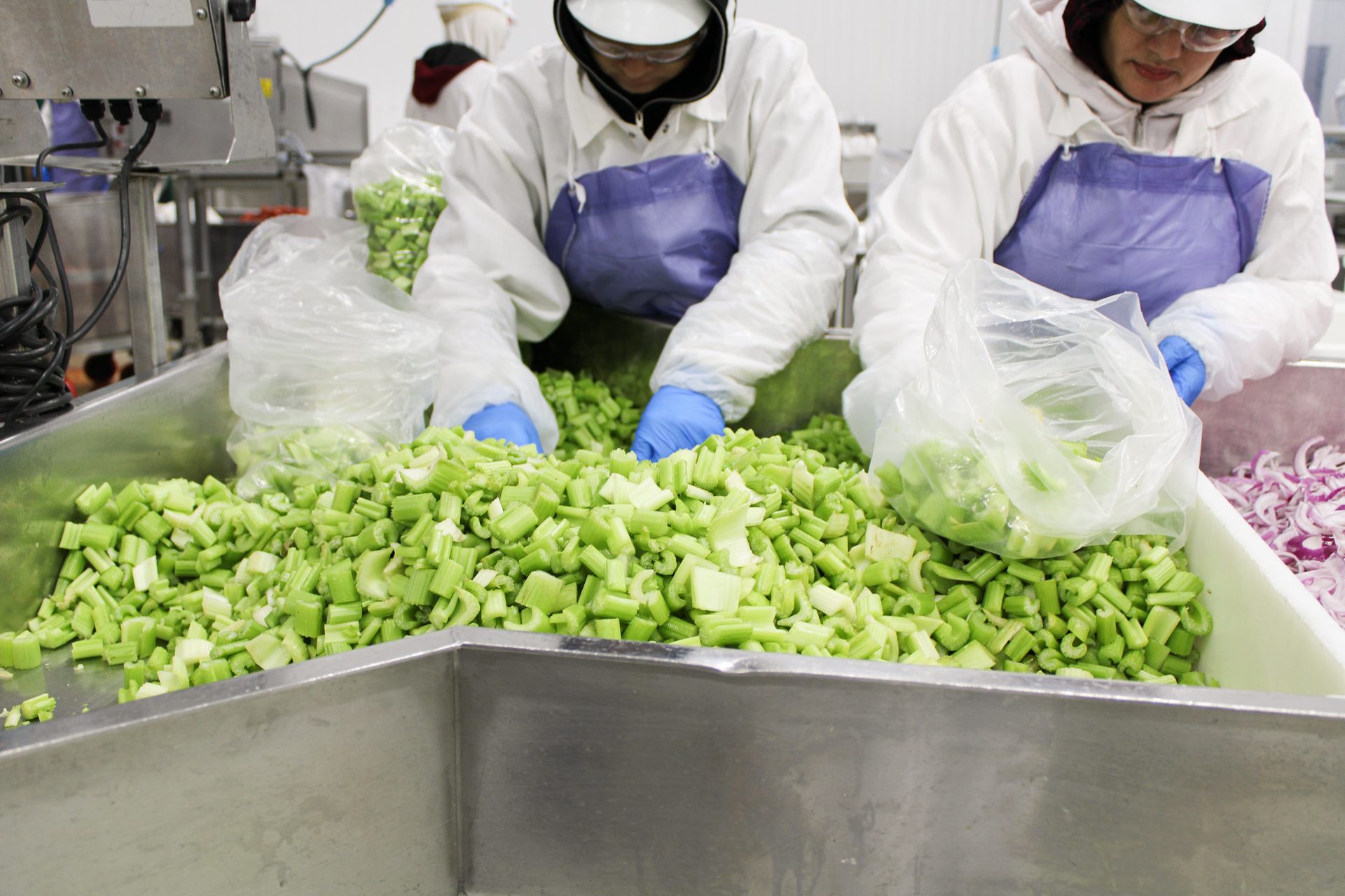
FIGURE 1. Cut Fresh has a number of best practices, auditing, and certification efforts in place to ensure the highest standards of food safety, food quality, and sanitation (Image courtesy of Cut Fresh LLC / Anna Patsakham)
"One of the best ways to identify risks is to look at the history of physical contaminants… Analysis of this data can show what contaminants make it to the processing stage so that the likelihood of occurrence can be determined."

Depending on the crop, different materials may be used for plant staking, weather protection, or to prevent pest activity. These can include netting, paper, string, twist ties, staples, and others. Additional materials may be used to protect crops in extreme weather conditions. One example of metal introduction includes covers used to protect fruit prior to harvest. Farmers can use paper bags to place over fruit (i.e., dates) and secure them with staples. It is difficult to prevent these staples from entering the harvest and causing issues during further processing. One method of prevention is to use a different style cover, like a mesh material and Velcro fastener.
Harvesting risks include metal and plastic from harvesting equipment. Harvesting also introduces the risk of field debris being included with the raw material. One common example is harvesting of stones along with the commodity, for plants that grow close to or in the ground. It is difficult to distinguish between smaller commodities (i.e., beans) and similarly sized stones. This is a known hazard, so post-harvest cleaning and sorting equipment (like air knives, sieves, and gravity tables) are used. They must be calibrated to be as efficient as possible in removing debris like stones. Another consideration in this example is that the de-stoning equipment being used to help minimize a hazard has the potential to introduce another hazard, like a loose bolt, if not properly maintained.
Assessing Foreign Material Risk in Storage
Once a commodity is harvested, it is collected and stored prior to additional processing. This can include the use of wood or plastic crates, trays, wood pallets, etc. Any damage to these collection devices or stacking can lead to contamination with plastic, wood, asphalt/cement, cardboard, or even nails. One practice is to stack storage bins with pallets on top of one another. Pieces of wood from the top pallet can fall into the bins. Color sorters are one option to identify the wood during later processing, but the best practice is to eliminate stacking.
One of the best ways to identify risks is to look at the history of physical contaminants. This includes evaluation of the debris from the initial cleaning of the raw material, rejects from sorters and gravity tables, metal on magnets, and rejects from metal detectors and X-ray devices. Another source of information is customer complaints. Industry data for a specific or similar commodity may also be available in various databases. Analysis of this data can show what contaminants make it to the processing stage so that the likelihood of occurrence can be determined.
Completing Your Agricultural Risk Assessment
This complete evaluation of potential agricultural physical contaminants and their likelihood form the basis for your risk assessment. The first course of action is to eliminate the sources of contamination. This is where a close partnership with the farmers is important and can help facilitate ideas for improvement plus sharing of best practices. If a hazard cannot be eliminated, then other methods for removal and detection will need to be put in place. There are many industry resources for removal and detection systems. The primary consideration is ensuring that the system is validated to work for the specific contaminant(s). A solution that works effectively for one raw material may not be suitable for another due to differences in characteristics such as color, density, or other physical properties.
A recall in early 2025 serves as a timely reminder of the consequences that can arise from known agricultural foreign material risks and failures in control systems. A chocolate manufacturer supplying the U.S. and Canadian markets voluntarily recalled select lots of two specific products after consumers reported finding small stones in the chocolate. According to a statement on the company's website, the contamination originated from third-party almond harvesting and processing, where the stones were not properly filtered out. This incident highlights how a failure at the very beginning of the supply chain can persist through processing and ultimately reach consumers, resulting in potential harm and reputational damage.
The checklist in Figure 1 shows a sample supplier checklist to evaluate agricultural sources of physical contaminants. I encourage suppliers and finished food manufacturers to take a proactive role in evaluating agricultural inputs, maintain strong supplier partnerships, and work to continuously improve physical contaminant detection and control systems. By staying vigilant and informed, you can help ensure that hazards are identified early and managed effectively—safeguarding both public health and brand integrity.
FIGURE 1. Supplier Checklist to Evaluate Agricultural Sources of Physical Contaminants (Image: C.J. Flint)

“Each step in the 'rings of defense' must be used consciously and with proper consideration, as it may be obvious what caused the noncompliance, and its resolution may be straightforward, simple, and not costly.”

References
- U.S. Food and Drug Administration (FDA). "Exemptions to the Food Traceability Rule." https://collaboration.fda.gov/tefcv13/.
- FDA. "FSMA Food Traceability Rule—Electronic Sortable Spreadsheet." https://www.fda.gov/media/181945/download.
- GS1 US. "Are You Ready to Meet FSMA Rule 204 Requirements?" https://www.gs1us.org/industries-and-insights/fsma-rule-204-requirements?fulltext=&pagesOffset=0&assetsOffset=0.
C.J. (Carolyn) Flint is the Director of Ingredient Quality for Kellanova (formerly Kellogg Company) North America. She has championed quality and food safety for over 25 years in confectionery, cereal, and snack food manufacturing. She is a graduate of the University of Delaware with a B.S. degree in Chemistry.


