SUPPLY CHAIN
By Michael Ciepiela, Vice President of Quality and Continuous Improvement, Southern Specialties
Managing Risk From Seed to Shelf: A Comprehensive Approach to Fresh Produce Food Safety
The ability to effectively manage risk begins long before a product is harvested, transported, or processed
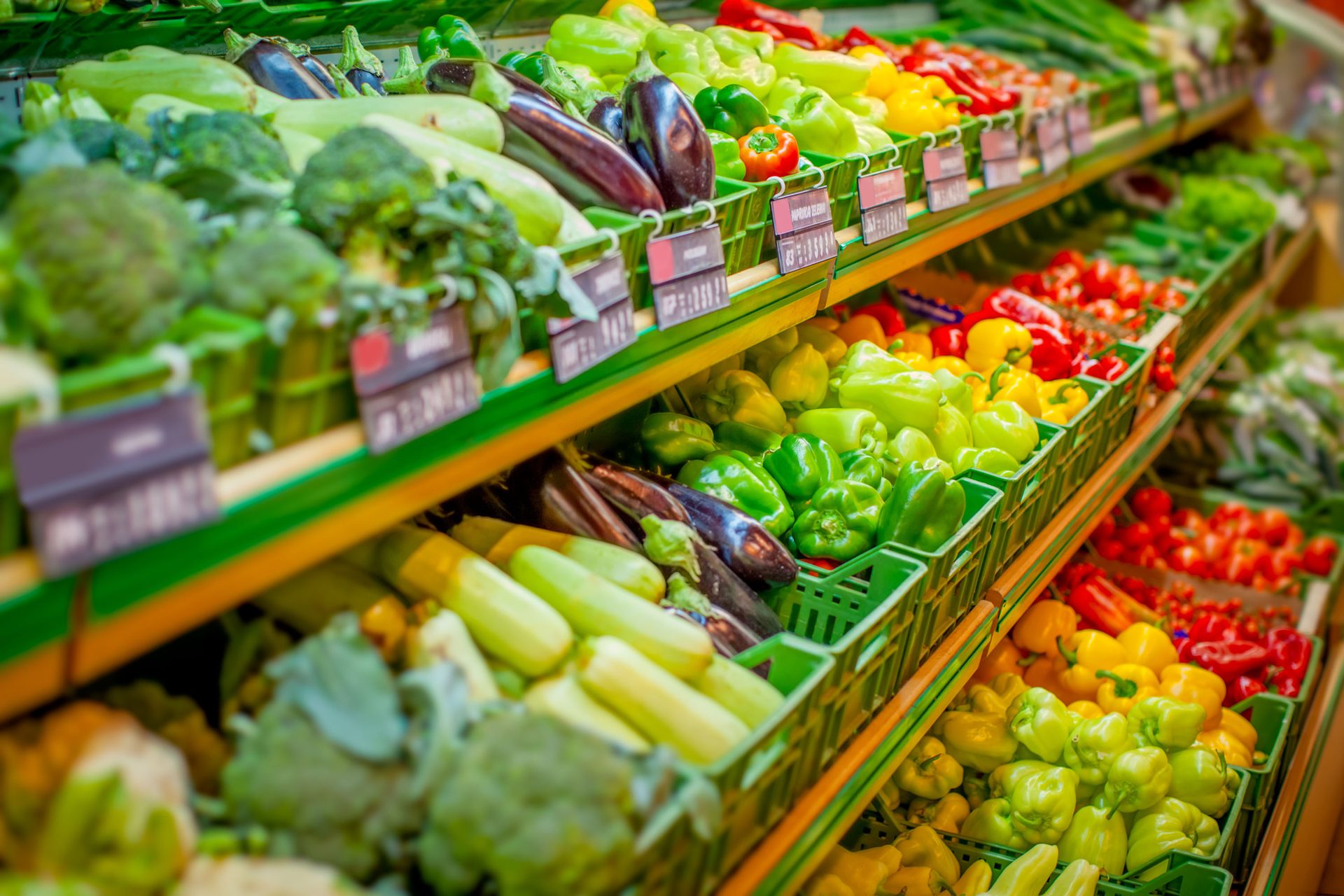
Image credit: Georgijevic/E+ via Getty Images
SCROLL DOWN
The fresh produce supply chain is widely recognized as one of the most complex systems in the food industry, requiring coordination across growers, packinghouses, transportation providers, processors, manufacturers, distributors, retailers, and ultimately consumers. Throughout this journey, products are exposed to a variety of food safety, quality, logistical, and regulatory risks that must be carefully managed to ensure that safe and high-quality products reach the marketplace.
From supplier approval and agricultural production practices to transportation, cold chain management, manufacturing controls, traceability requirements, and consumer expectations, every step plays a critical role in maintaining product integrity. Due to the highly perishable nature of fresh produce, even minor deviations in handling, storage, or transportation conditions can significantly impact shelf life, quality, and food safety. As regulatory requirements continue to evolve and consumer expectations increase, organizations must adopt a proactive approach to risk management that emphasizes prevention, verification, transparency, and continuous improvement throughout the supply chain.
While each stage of the fresh produce supply chain presents its own unique challenges, the ability to effectively manage risk begins long before a product is harvested, transported, or processed. A safe and reliable supply chain is built upon the strength of its suppliers and the systems used to evaluate, approve, and continuously monitor them. Before food safety controls, cold chain management, and traceability programs can be successfully implemented, organizations must first establish confidence that their suppliers possess the capabilities, resources, and commitment necessary to consistently meet regulatory, quality, and food safety expectations.
Building a Strong Supplier Foundation
It is important to first understand the challenges associated with onboarding suppliers, both domestic and international, before addressing the broader requirements of supply chain compliance and supplier verification.
For domestic suppliers operating within the U.S., organizations are subject to a variety of regulatory requirements governed primarily by the U.S. Food and Drug Administration (FDA) and, where applicable, the U.S. Department of Agriculture (USDA). To legally produce, pack, process, and distribute food products, suppliers must comply with federal regulations and industry-recognized food safety standards. These requirements become even more stringent when products are exported internationally or supplied to large retailers, foodservice organizations, and manufacturers.
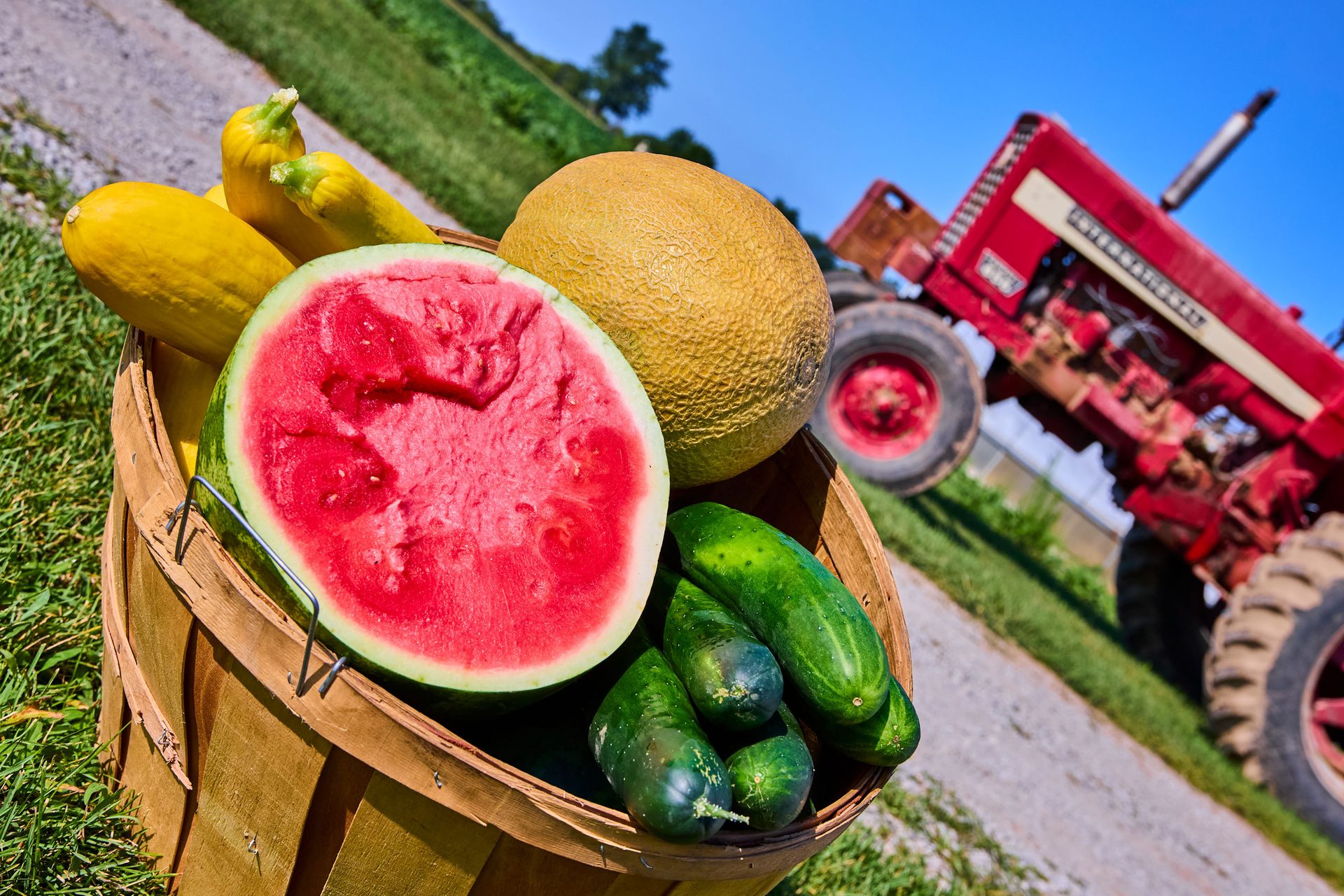
Within the fresh produce industry, it is common to see vertically integrated operations where farms are connected to their own packinghouses, cooling facilities, processing operations, and distribution networks (Figure 1). In other cases, growers may supply product directly to third-party processors, manufacturers, wholesalers, or retailers. Each level of the supply chain introduces additional compliance obligations, documentation requirements, and verification activities.
FIGURE 1. Within the fresh produce industry, it is common to see vertically integrated operations where farms are connected to their own packinghouses and other operations (Image credit: iStock / Getty Images Plus / paulacobleigh)
To demonstrate food safety, quality, and regulatory compliance, suppliers are often required to maintain various certifications and audit programs. These may include Good Agricultural Practices (GAP), Harmonized GAP, GlobalG.A.P., PrimusGFS, SQF, BRCGS, Organic Certification, and other customer-specific standards. In addition to certification requirements, suppliers may be expected to provide food safety plans, environmental monitoring programs, water quality testing records, sanitation programs, traceability documentation, recall procedures, vulnerability assessments, and evidence of regulatory compliance.
The complexity increases significantly when sourcing internationally. Foreign suppliers must not only comply with the regulations of their country of origin but also demonstrate compliance with U.S. regulatory requirements, including FDA's Food Safety Modernization Act (FSMA) and Foreign Supplier Verification Programs (FSVP) requirements. This often requires extensive documentation reviews, risk assessments, third-party audit evaluations, supplier performance monitoring, and ongoing verification activities to ensure that imported products meet the same safety standards expected of domestic suppliers.
As a result, supplier onboarding has evolved far beyond a simple vendor approval process. It has become a comprehensive, risk-based evaluation designed to assess a supplier's ability to consistently provide safe, legal, and high-quality products while meeting both regulatory and customer expectations throughout the supply chain.
Identifying Risks at the Source
Farmers face significant challenges when growing and harvesting crops on a commercial scale. The production of fresh produce requires careful management of numerous factors that can directly impact both crop yield and food safety. These challenges begin with agricultural water quality, where growers must ensure that irrigation sources are free from contaminants that could introduce pathogens into the growing environment. From a manufacturer's perspective, agricultural water testing remains one of the most frequently requested and challenging pieces of supplier verification documentation. Many farms operate in rural areas with limited access to ISO-accredited laboratories, resulting in increased testing costs, longer turnaround times, and additional logistical challenges.

“Proper harvest practices, employee hygiene, equipment sanitation, pesticide management, and foreign material prevention are all critical components of a strong food safety program.”
Cost and resource constraints further complicate compliance efforts. Many farming businesses operate on lean structures with limited personnel, equipment, and capital. As food safety regulations, certification requirements, and customer demands continue to increase, growers are expected to implement more robust monitoring and verification programs while working within the same operational limitations. Balancing food safety compliance with economic realities remains an ongoing challenge throughout the agricultural sector.
In addition to water quality, soil composition and nutrient management play a critical role in crop health and productivity. Farmers must carefully manage fertilizers, compost, and manure-based soil amendments to support crop growth while minimizing food safety risks. Improperly treated or applied manure can introduce harmful microorganisms into the growing environment, making proper sourcing, treatment, and application practices essential.
Environmental conditions also create significant challenges throughout the agricultural supply chain. Weather events such as heavy rainfall, hurricanes, flooding, droughts, and unexpected freezes can reduce yields, delay harvests, impact product quality, and increase food safety risks. Wildlife activity presents an additional concern, as birds, rodents, deer, and other animals can introduce pathogens through fecal contamination. These risks are often amplified in organic farming operations, where restrictions on pesticide use can limit available pest control options.
Beyond environmental and wildlife risks, farmers must manage a variety of operational, traceability, and regulatory challenges throughout the growing and harvesting process. Proper harvest practices, employee hygiene, equipment sanitation, pesticide management, and foreign material prevention are all critical components of a strong food safety program. Additionally, FSMA 204 food traceability requirements have amplified the importance of capturing and maintaining Critical Tracking Events (CTEs) and Key Data Elements (KDEs), while concerns surrounding food fraud, country-of-origin verification, and certification integrity continue to drive the need for greater supplier transparency and oversight.
All of this together sounds like a lot of legwork upfront, and quite frankly, it is. This is often the first point in the fresh produce supply chain where food safety risks can originate. Whether those risks stem from water quality, soil amendments, wildlife intrusion, environmental conditions, or regulatory compliance gaps, identifying and addressing them early is critical. The time invested upfront helps build a stronger food safety foundation and reduces risk throughout the supply chain.
Maintaining the Cold Chain
Approving a supplier for use is simply the first step in the fresh produce supply chain. Once product leaves the farm, a new set of challenges emerges related to logistics, transportation, and supply chain management. Fresh produce is highly perishable by nature, requiring careful handling and strict temperature controls to preserve quality, maximize shelf life, and maintain food safety throughout transit. Products often travel through multiple stages, including harvesting, cooling, packinghouses, distribution centers, border crossings, and transportation networks before reaching the processor or manufacturer.
For domestically sourced products, transportation delays, equipment failures, and cold chain interruptions can quickly impact product quality and usability. International sourcing introduces additional complexities, including customs inspections, import requirements, tariffs, trade regulations, and oversight from government agencies responsible for regulating products entering and leaving the country. Successfully moving fresh produce from the farm, through the packinghouse, and ultimately to the processor or manufacturer requires a coordinated effort across growers, logistics providers, distributors, and regulatory bodies to ensure products arrive safely, compliantly, and in optimal condition.
Maintaining the cold chain throughout this journey is critical to preserving product quality and minimizing food safety risks. Temperature deviations during transportation or storage can accelerate spoilage, reduce shelf life, and increase the likelihood of product loss. As a result, temperature monitoring, trailer inspections, transit verification, and proper handling practices serve as essential controls to ensure that fresh produce reaches its destination in the same condition in which it was harvested and packed.
“The ability to rapidly trace products through receiving, processing, packaging, and distribution not only supports regulatory compliance but also strengthens recall readiness and supply chain visibility.”
Where Food Safety Meets Production
Time is of the essence once a fresh produce shipment arrives. The clock starts ticking the moment a product is harvested, making it critical to maximize remaining shelf life while preserving quality and desirable organoleptic characteristics. Upon receipt, one of the most important verification activities is confirming that the cold chain was maintained throughout transportation, along with conducting required trailer, product, and condition inspections to ensure compliance with food safety and regulatory standards (Figure 2). Each commodity has unique quality requirements as outlined by USDA Agricultural Marketing Standards, and once accepted, must be stored under appropriate temperature and humidity conditions to maintain freshness and quality.
FIGURE 2. Upon receipt, one of the most important verification activities is confirming that the cold chain was maintained throughout transportation (Image credit: iStock / Getty Images Plus / welcomia)

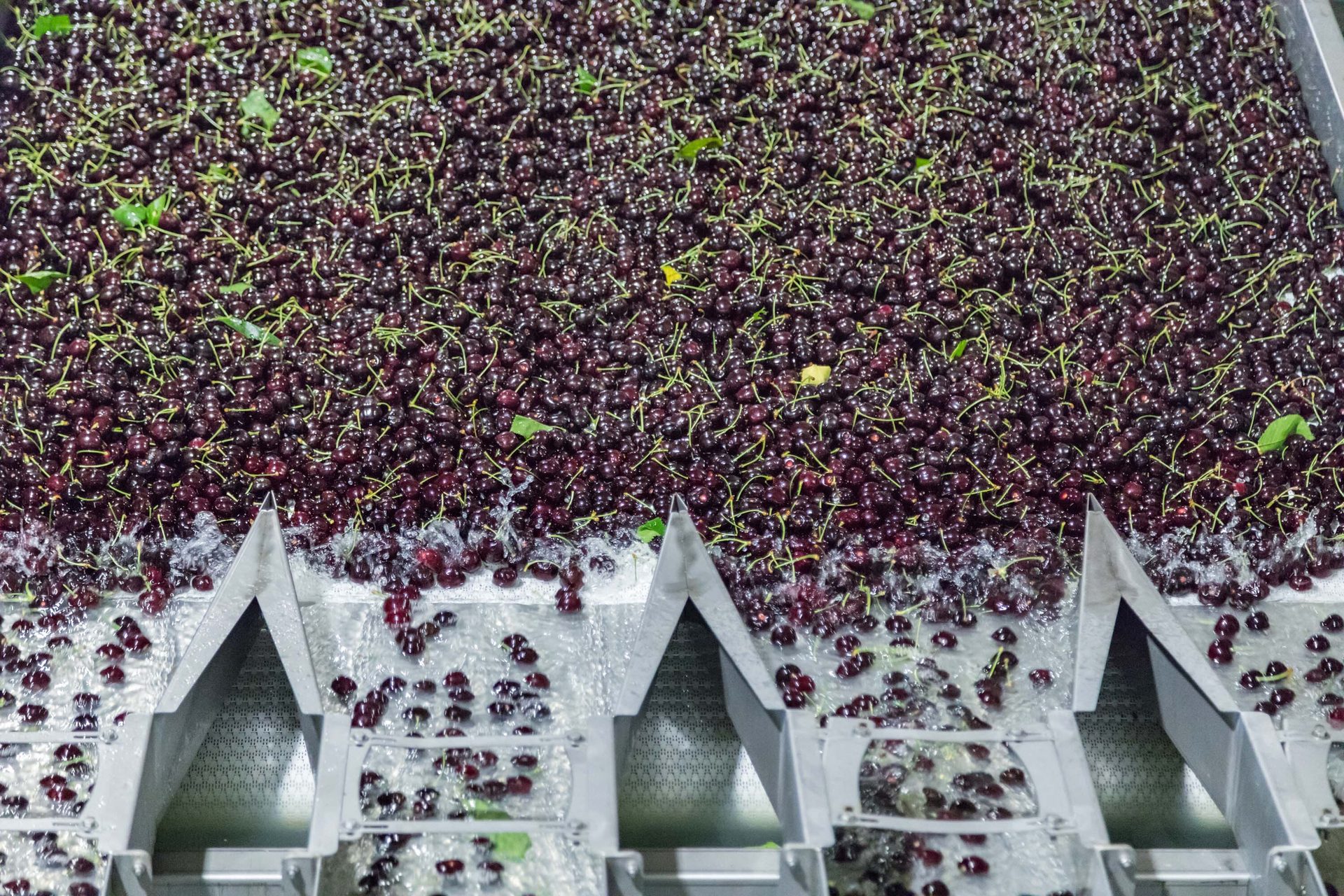
As products enter processing, manufacturers must evaluate and control the hazards identified under FSMA, including biological, chemical, physical, and where applicable, radiological and economically motivated adulteration risks. Different produce commodities present varying levels of susceptibility to pathogen growth and contamination. To mitigate these risks, processors utilize a variety of washing and sanitation methods, including flume systems, spray washes, and antimicrobial interventions such as chlorine or peracetic acid (PAA). These controls require continuous monitoring and verification to ensure effectiveness. While some commodities, such as green beans, may present a lower risk of pathogen attachment due to their physical characteristics, others, including leafy greens such as romaine and iceberg lettuce, are considered higher risk. Regardless of the commodity, manufacturers must identify, assess, control, and verify food safety risks to ensure the production of safe, compliant, and high-quality products.
From incoming raw materials to outbound finished goods, the cold chain must be maintained throughout every stage of the fresh produce supply chain. As products move through receiving, storage, processing, packaging, and distribution, numerous food safety and quality checks are performed to ensure that product integrity is preserved. These controls often include preventive programs such as environmental monitoring, sanitation controls, equipment verification, and operational inspections, as well as process controls including antimicrobial intervention monitoring, flume system sanitizer concentration verification, and foreign material protection through technologies such as metal detection and X-ray systems.
In addition to food safety controls, manufacturers must maintain robust traceability systems capable of supporting FSMA 204 requirements, ensuring that CTEs and KDEs are accurately captured and maintained throughout the process. The ability to rapidly trace products through receiving, processing, packaging, and distribution not only supports regulatory compliance but also strengthens recall readiness and supply chain visibility. Together, these measures help verify that food safety hazards are effectively controlled while maintaining product quality, regulatory compliance, and consumer safety.
Creating Loyal Customers Through Consistent Quality
Food safety controls are ultimately what consumers depend on most. Manufacturers implement these programs to ensure the products reaching the marketplace are safe for consumption and consistently meet regulatory and customer expectations. Beyond protecting public health, effective food safety systems are critical to maintaining brand reputation, consumer trust, and long-term customer loyalty.
While preventive controls, monitoring activities, and verification programs serve as the foundation of food safety, continuous improvement is equally important. Leveraging the Voice of the Customer (VoC) to identify trends, concerns, and opportunities, while incorporating predictive analytics and emerging AI technologies, can help manufacturers proactively identify risks, strengthen compliance efforts, protect brand integrity, and enhance overall food safety performance throughout the supply chain.
Education Opportunities
As supply chains become more digital and automated, many food fraud programs reflect older operating models. While most food safety professionals are well trained in hazard analysis and preventive controls, fewer have received formal training in food fraud vulnerability, food document fraud risk, or integration with enterprise risk management systems.
To help address the industry-wide capability gap, the Food Fraud Prevention Think Tank offers free, on-demand training through comprehensive MOOCs (Massive Open Online Courses) that cover vulnerability assessments, supply chain mapping, prevention strategies, and integration with enterprise risk management. These courses provide the foundational knowledge and practical tools needed to build or update a food fraud prevention program. Visit the Food Fraud Prevention Think Tank to access these resources and start building a prevention strategy today.
The Complete Farm-to-Fork Journey
Fresh produce remains one of the most complex food supply chains in the world, requiring a coordinated effort from growers, packinghouses, logistics providers, processors, manufacturers, regulators, and retailers to consistently deliver safe, high-quality products to consumers. From managing agricultural risks at the farm level to maintaining cold chain integrity, implementing preventive controls, ensuring traceability, and meeting evolving regulatory requirements, every step plays a critical role in protecting product safety and quality.
While the challenges are significant, so too is the responsibility. Success ultimately depends on building strong supplier partnerships, fostering a proactive food safety culture, leveraging data-driven decision-making, and continuously improving processes throughout the supply chain. By doing so, organizations can not only meet compliance requirements but also strengthen consumer confidence, maintain brand integrity, and build lasting customer loyalty in an increasingly demanding marketplace.
Acknowledgment
Claude AI assisted with content synthesis and drafting under expert direction, with all conceptual frameworks, technical content, and editorial decisions determined by the authors.
References
- International Organization for Standardization (ISO). "ISO 22380:2018: Security and resilience—Authenticity, integrity and trust for products and documents—General principles for product fraud risk and countermeasures." Edition 1, 2018. https://www.iso.org/standard/73857.html.
- The 107th Congress. "H.R.3763—Sarbanes-Oxley Act of 2002." July 30, 2002. https://www.congress.gov/bill/107th-congress/house-bill/3763.
Michael Ciepiela is Vice President of Quality and Continuous Improvement at Southern Specialties. He brings over a decade of diverse experience in the food and beverage industry, along with experience in the pharmaceutical sector, specializing in quality assurance and food safety. Throughout his career, he has excelled in multi-site implementation and adherence to GFSI requirements and regulations. Michael has also been instrumental in promoting and educating Lean Six Sigma principles in fast-paced, cross-departmental settings. As a recognized thought leader, he frequently speaks at national conferences. He is also a senior member of the American Society for Quality (ASQ). Michael holds a bachelor's degree in Biology from Alfred University and a Six Sigma Master Black Belt from Villanova University.