CYBERSECURITY AND FOOD DEFENSE
By Cristopher A. Young, COL, USA (Ret.), D.V.M., M.P.H., Diplomate A.C.V.P.M., Professor of Practice, College of Veterinary Medicine, Auburn University and Adjunct Professor, College of Veterinary Medicine, Department of Pathology, University of Georgia; Soren P. Rodning, D.V.M., M.S., Professor, Animal Science, Auburn University; Marcus H. Sachs, P.E., Senior Vice President and Chief Engineer, Center for Internet Security; and Robert A. Norton, Ph.D., Professor of Veterinary Infectious Diseases and Coordinator, National Security and Defense Projects, Office of the Senior Vice President of Research and Economic Development, Auburn University
From Farm Signal to Supply Chain Shield: Preharvest Biosurveillance in a National Biosurveillance Ecosystem
Preharvest biosurveillance flips the traditional reactive model by identifying biological hazards earlier in the production cycle
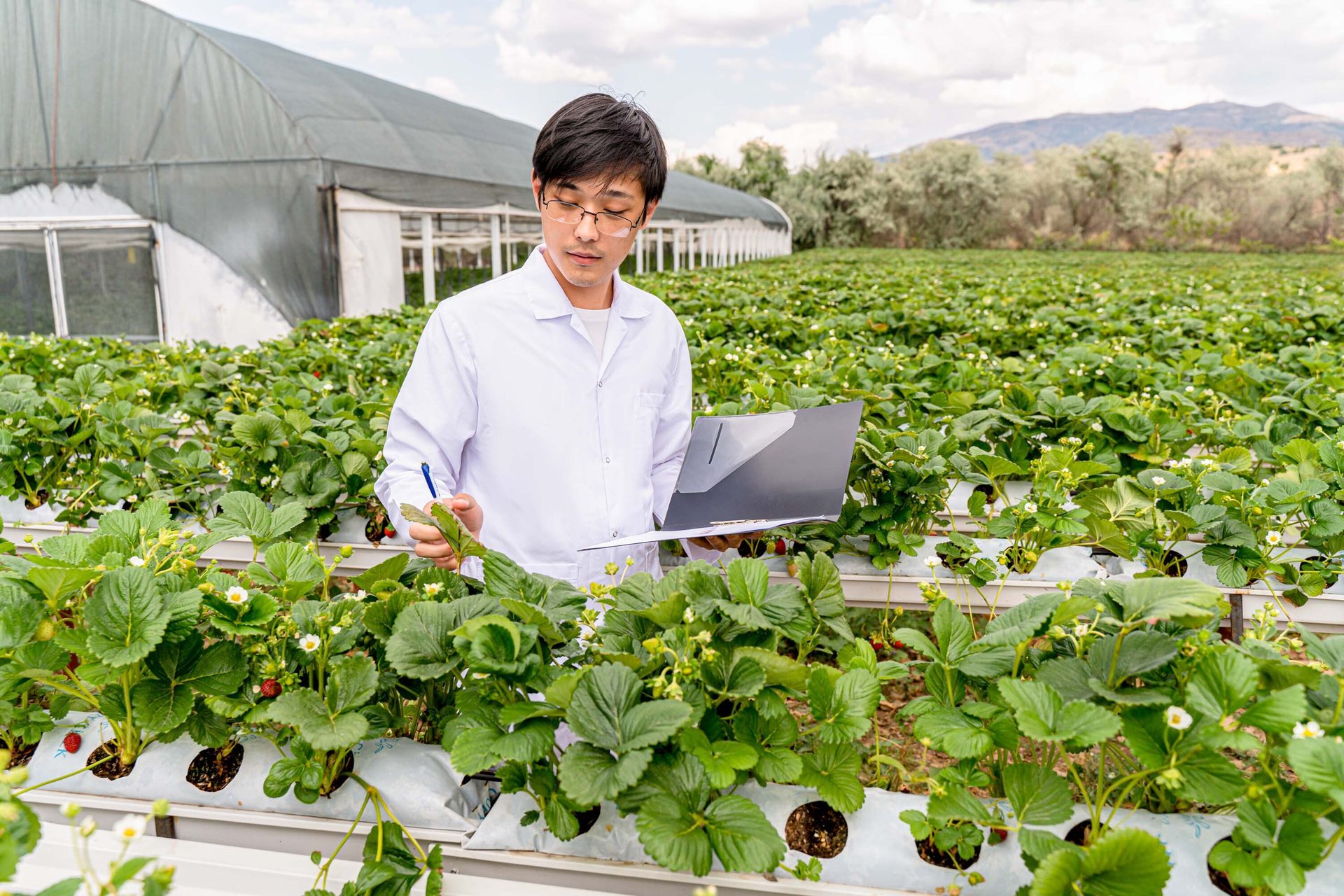
Image credit: Phynart Studio/E+ via Getty Images
SCROLL DOWN
Food safety starts upstream. It begins in the field, the barn, and the watershed, not at the processing plant. The concept of preharvest biosurveillance—the systematic, continuous monitoring and management of biological threats before harvest—is now central to building safer and more resilient food systems.
In earlier Food Safety Magazine articles, authors Norton, Sachs, Young, and colleagues described an artificial intelligence (AI)-ready biosurveillance and food protection architecture that integrates on-farm signals with downstream monitoring, and outlined how an Auburn University Biosurveillance Intelligence, Surveillance and Reconnaissance System (AU-BISR) could provide an analytic backbone to that system. The October/November 2025 article, "A Biosurveillance Ecosystem for Food Safety and National Resilience,"1 extended that vision to the national level by proposing an enhanced biosurveillance exchange that would fuse environmental, agricultural, laboratory, and cyber data into a shared situational picture for food and agriculture, thereby supplementing the ongoing processes of the Bioeconomy Information Sharing and Analysis Center (Bio‑ISAC).
This article connects those strands for food safety professionals: it shows how preharvest biosurveillance at the farm and ranch level can feed a broader biosurveillance ecosystem, reduce microbial risks, and provide earlier warning of both natural and intentional threats to the food supply.
Why Preharvest Biosurveillance Matters
Most foodborne contamination events that capture headlines such as E. coli on leafy greens, Salmonella in poultry, or Listeria in silage (animal feed) originate in growing or rearing environments long before product reaches a processing line. Enhanced testing and metagenomics have revealed how frequently pathogens enter the system upstream, often without clinically manifested disease in plants or animals.
Preharvest biosurveillance flips the traditional reactive model by identifying biological hazards earlier in the production cycle, giving food producers, veterinarians, and food safety leaders more time and better options to intervene. Early detection in the field can reduce pathogen loads entering abattoirs, lower the probability and scope of recalls, and protect brands and markets by preventing contamination from reaching consumers.
Regulatory Momentum Toward Proactive Risk Assessment
The regulatory environment is increasingly moving in parallel toward proactive, systems-based preharvest risk management. In May 2024, FDA issued a final rule2 revising the preharvest agricultural water provisions of the Produce Safety Rule under the Food Safety Modernization Act (FSMA), replacing prescriptive microbial water testing with annual agricultural water assessments focused on hazards, routes of contamination, and risk-based mitigation.
Under this framework, covered farms using preharvest agricultural water must evaluate water sources, distribution systems, treatment practices, and adjacent land uses, and must implement mitigation or corrective actions when risks are identified. FDA and EPA have also approved the first antimicrobial treatment3 specifically targeted to human pathogens (e.g., E. coli, including STEC and Salmonella enterica, etc.) in preharvest agricultural water, offering producers a new preventive tool to reduce microbial loads before harvest.
“Operationalizing preharvest biosurveillance requires a combination of fit-for-purpose sampling plans, practical diagnostics, and optimized data workflows that can function in real farm environments.”


Together with existing animal health, feed, and environmental regulations, these changes nudge the system toward an integrated One Health/biosurveillance risk assessment paradigm that aligns naturally with preharvest biosurveillance.
Practical Preharvest Tools and Strategies
Operationalizing preharvest biosurveillance requires a combination of fit-for-purpose sampling plans, practical diagnostics, and optimized data workflows that can function in real farm environments. Examples include:
- Targeted environmental sampling. Studies demonstrate that boot-sock or drag swab sampling in cattle lairage and holding areas can efficiently detect E. coli O157:H7, non-O157 STECs, and Salmonella before animals enter slaughter facilities, providing actionable information to plants and inspectors.
- Produce contamination route assessment. Research on soil, irrigation water, wildlife intrusion, seeds, and rhizosphere dynamics has clarified how pathogens move into leafy greens and other produce, enabling more focused interventions.
- Field-level sanitization. Preharvest field application of chemical sanitizers has shown promise in reducing microbial loads on leafy vegetables, complementing postharvest wash and processing interventions.
Rapid field diagnostics, smart environmental sensors, portable sequencing platforms, and integrated farm management systems now make it technically feasible to generate and interpret preharvest biosurveillance signals in near-real time. When combined with stacked sensors like those provided by the AU-BISR System, weather data, animal health records, and water quality monitoring, these tools support dynamic risk profiles rather than static, checklist-based compliance.
Integrating Biosurveillance and Biosecurity on the Farm
Effective preharvest biosurveillance must be embedded in broader biosecurity and animal health programs, not bolted on as another standalone testing requirement. A robust on-farm program typically harmonizes:
- Hygiene and sanitation protocols
- Vector and wildlife control
- Vaccination and herd health strategies
- Water sourcing, storage, and treatment
- Feed sourcing and monitoring
- Worker training and communication
The One Health framework, which recognizes the interdependence of animal, environmental, and human health, provides a unifying concept for this integration. Practical examples include monitoring avian influenza risk linked to migratory waterfowl, wild birds, or animals near poultry operations; tracking pathogen signals in irrigation reservoirs serving produce fields; or watching for microbiome shifts in soils associated with manure or biosolid applications.
Human factors also determine whether biosurveillance data leads to effective action. Farmworkers, veterinarians, and food safety managers must recognize surveillance alerts, understand their implications, and have pre-agreed response protocols that are compatible with production realities and animal welfare.
From On-Farm Signals to a Biosurveillance Ecosystem
The AU-BISR concept and the biosurveillance-enhanced BIO-ISAC described by the authors represent two layers of a national biosurveillance ecosystem into which preharvest data can flow.
In earlier AU-BISR articles, Norton, Sachs, Young, and Bragg outlined a multi-tiered architecture that:
- Aggregates diverse biosurveillance data streams from farms, processors, laboratories, and public health agencies, including inputs from multi-layered sensor systems, animal morbidity and mortality data, environmental sampling, genomic analyses, and emerging sensor technologies
- Uses AI-enabled analytics to perform anomaly detection, trend analysis, and predictive modeling in near-real time
- Presents tailored, role-appropriate dashboards and alerts to producers, regulators, retailers, and emergency managers, while protecting sensitive or proprietary information.
The more recent biosurveillance ecosystem article proposes expanding the mission of BIO-ISAC, which is currently focused on bioeconomy cybersecurity and biosecurity information-sharing, to also aggregate and analyze biological sensor data, including soil moisture, wastewater qPCR, drone-borne hyperspectral imagery, and other on-farm and environmental inputs. Rather than creating yet another ISAC, the authors argue that an augmented BIO-ISAC can serve as a central signal integrator that fuses these data streams to provide early warning of biological anomalies of concern to food safety and national security.
“For food safety practitioners, these [emerging] tools [for biosurveillance] matter because they can shift preharvest biosurveillance from descriptive monitoring to near-real time predictive disease intelligence.”
Preharvest biosurveillance programs at the producer level include the "front-end sensors" (ground-based to space-based) of such a system. When anonymized and aggregated, these signals, such as hyperspectral signatures or changes in patterns of life, can reveal emerging anomalies or shifts at local, regional, or global levels. These insights can then be integrated with other datasets, such as increased detection of specific serotypes in feedlot runoff or recurring indicator organisms in irrigation districts—patterns that may not be visible to any single operation.
AI, Volatilome Sensing, and Emerging Technologies
The biosurveillance ecosystem concept explicitly emphasizes emerging technologies, including AI-driven data fusion, volatilome sensing (through hyperspectral/multi-spectral signatures), and microbiome monitoring. For food safety practitioners, these tools matter because they can shift preharvest biosurveillance from descriptive monitoring to near-real time predictive disease intelligence. Pre-identified problems can be prevented from entering the food supply chain.
Benefits of these tools include:
- Volatilome sensing. Electronic sensor system arrays and related platforms can detect volatile organic compound signatures associated with plant stress or early animal disease, offering the possibility of identifying disease "hot spots" before visual symptoms appear. As these are agnostic systems, plants and animal systems can be monitored simultaneously, potentially identifying the effects of one domain on another.
- Microbiome monitoring. Sequencing-based characterization of soil, water, facility, and animal microbiomes can reveal anomalies or shifts that precede detectable pathogen contamination or manifestation of clinical disease, also providing an early warning signal.
- AI-driven analytics. Machine learning models can establish baseline "normal" environmental and production patterns, flag anomalies, and generate risk scores or forecasts that support operational decision-making by producers, processors, and regulators.
The AU-BISR vision frames this as "bio-informed decision-making," using historical and real-time data to forecast microbial risk with granularity and increased lead times. This requires common data standards, secure and interoperable systems, and clear governance and permissions for data use and model training, especially where pathogen genomics or sensitive operational information are involved. AU-BISR protocols are designed to protect proprietary information.
Market Drivers and Business Incentives
While regulation sets minimum expectations, market dynamics increasingly drive adoption of rigorous, advanced preharvest biosurveillance. Major retailers and food brands are asking suppliers to demonstrate upstream risk management capability, viewing preharvest programs as indicators of a mature food safety culture and a differentiator in tight supply chains. Biosurveillance, Biological Intelligence, and Biosecurity (B3) can be made important discriminator elements for up-branding, brand evolution, and brand extension.
Private-sector leaders in sustainability and transparent sourcing are also investing in producer-level biosurveillance capacity because early detection directly reduces recalls, supply chain disruptions, reputational damage, and associated financial losses. Certification schemes and incentive programs that reward proactive risk management—rather than penalize the discovery of hazards—are emerging and may accelerate adoption even in the absence of specific mandates.
Data Privacy, Trust, and Governance
A persistent barrier to the development of networked preharvest biosurveillance is concern that sharing operational or biosurveillance data could in some way expose proprietary practices, create competitive disadvantage, or increase regulatory liability. The authors argue in their biosurveillance ecosystem paper1 that this challenge can be addressed through careful design of governance models and data-handling frameworks that separate operational identifiers from analytic products.
“For food safety and quality leaders, the shift toward a preharvest-centric biosurveillance ecosystem presents both practical steps and strategic opportunities.”
Examples from other sectors, such as confidential aviation safety reporting or financial market surveillance, show that trusted intermediaries can hold and protect sensitive data while still providing high-value, aggregated insights to regulators and industry. The BIO-ISAC and AU-BISR concepts both assume strict access controls, tiered products for different stakeholder groups, and clear rules for how data can be used in regulatory and enforcement contexts. Building trust around these rules is as important as the underlying technology.
TABLE 1. Fake Internet Domains Registered as Part of Typosquatting Campaign
The Path Forward for Food Safety Professionals
For food safety and quality leaders, the shift toward a preharvest-centric biosurveillance ecosystem presents both practical steps and strategic opportunities. Near-term actions include:
- Working with producers and veterinarians to design targeted, risk-based preharvest sampling and monitoring plans that complement existing HACCP and preventive control programs
- Evaluating emerging field diagnostics and environmental sensor options for feasibility, cost, and integration into existing workflows and information systems
- Engaging with sector-level initiatives such as BIO-ISAC, AU-BISR pilot efforts, or commodity-specific data-sharing collaboratives to understand how local data could feed into a larger biosurveillance picture.
In parallel, food companies can encourage suppliers to adopt preharvest biosurveillance practices by embedding expectations into purchasing specifications, offering technical assistance, and supporting participation in pilot projects that explore new analytic capabilities.
Ultimately, preharvest biosurveillance and an integrated biosurveillance ecosystem represent a recalibration of food safety philosophy from reactive crisis management to proactive, intelligence-informed risk mitigation. For producers, this shift offers new ways to demonstrate safety leadership and maintain market access; for regulators, it offers more efficient and targeted oversight; and for consumers and national security stakeholders, it promises a more resilient food system that detects and addresses biological threats before they become crises.
Note
The Bioeconomy Information Sharing and Analysis Center (Bio‑ISAC) is a nonprofit, member‑driven organization that serves as a trusted hub for sharing and analyzing threat information specific to the life sciences, biotechnology, and broader bioeconomy sectors. Its mission is to improve cybersecurity and biosecurity resilience by enabling confidential, two‑way exchange of intelligence on vulnerabilities, incidents, and emerging risks among industry, academia, and government, and by supporting coordinated vulnerability disclosure, workforce training, and practical guidance at the cyber‑bio interface.
References
- Sachs, M., W. Bowman-Zatzkin, and R.A. Norton. "A Biosurveillance Ecosystem for Food Safety and National Resilience." Food Safety Magazine October/November 2025. https://www.food-safety.com/articles/10788-a-biosurveillance-ecosystem-for-food-safety-and-national-resilience.
- U.S. Food and Drug Administration (FDA). FSMA Final Rule on Pre-Harvest Agricultural Water. May 6, 2024. https://www.fda.gov/food/food-safety-modernization-act-fsma/fsma-final-rule-pre-harvest-agricultural-water.
- Food Safety Magazine Editorial Team. "EPA Approves First Antimicrobial Treatment of Foodborne Pathogens in Preharvest Agricultural Water." Food Safety Magazine. November 4, 2024. https://www.food-safety.com/articles/9877-epa-approves-first-antimicrobial-treatment-of-foodborne-pathogens-in-preharvest-agricultural-water.
Further Reading
- Norton, R.A., M. Sachs, and C.A. Young. "A Future View of AI-Enhanced Biosurveillance and Comprehensive Food Safety Programs." Food Safety Magazine December 2023/January 2024. https://www.food-safety.com/articles/9110-a-future-view-of-ai-enhanced-biosurveillance-and-comprehensive-food-safety-programs.
- Norton, R.A., M. Sachs, M. and C.A. Young. "Cognitive Security, a Growing Concern for Food Safety: Part 6." Food Safety Magazine August/September 2025. https://www.food-safety.com/articles/10630-cognitive-security-a-growing-concern-for-food-safety-part-6.
- FDA. "Standards for the Growing, Harvesting, Packing, and Holding of Produce for Human Consumption." Federal Register 89, no. 88 (2024): 29618–29702. Link: https://www.federalregister.gov/documents/2024/05/06/2024-09153/standards-for-the-growing-harvesting-packing-and-holding-of-produce-for-human-consumption-relating
- Guiterrez-Rodriguez, E. and A. Adhikari. "Preharvest Farming Practices Impacting Fresh Produce Safety." Microbiology Spectrum 6, no. 2 (April 2018). https://pmc.ncbi.nlm.nih.gov/articles/PMC11633564/.
- Flach, M.G., O.B. Dogan, M.F. Miller, M.X. Sanchez, and M.M. Brashears. "Comparison of Three Preharvest Sampling Strategies to Monitor Pathogens in Cattle Lairage Areas." Journal of Food Protection 87, no. 4 (April 2024): 100425. https://pubmed.ncbi.nlm.nih.gov/38428462/.
- U.S. Department of Agriculture (USDA). "Understanding Pre-Harvest Routes of Fresh Produce Contamination in Soils." National Agricultural Library, Food Safety Research Projects. 2013. https://www.nal.usda.gov/research-tools/food-safety-research-projects/understanding-pre-harvest-routes-fresh-produce.
- Rood, L., C. Kocharunchitt, J. Bowman, et al. "Potential for in-field pre-harvest control of foodborne human pathogens in leafy vegetables: Identification of research gaps and opportunities." Trends in Food Science & Technology 158 (April 2025): 104928. https://www.sciencedirect.com/science/article/pii/S0924224425000640.
- Norton, R.A., C.A. Young, and D. Gerstein. "Bringing New Technologies to Bear for Biosurveillance." Food Safety Magazine April 23, 2024. https://www.food-safety.com/articles/9424-bringing-new-technologies-to-bear-for-biosurveillance.
- Norton, R.A., M. Sachs, and C.A. Young. Food Safety Magazine. July 2, 2024. "Two Tools for One Health and Biosurveillance." https://www.food-safety.com/articles/9590-two-tools-for-one-health-and-biosurveillance.
Cristopher A. Young (COL RET.), D.V.M., M.P.H., Diplomate A.C.V.P.M. is a Professor of Practice in the Department of Animal Science at Auburn University's College of Agriculture and an Adjunct Professor in the Department of Pathology at the University of Georgia's College of Veterinary Medicine. He received his D.V.M. from Auburn University in 1994. He completed his M.P.H. degree at Western Kentucky University in 2005 and is a Diplomate of the American College of Veterinary Preventive Medicine. He also served 27 years in the Army Reserve Veterinary Corps in many positions, including two board select command assignments, two combat deployments, and numerous Global Health Engagements.
Soren P. Rodning, D.V.M., M.S., Diplomate A.C.T. is a Professor in the Auburn University Department of Animal Sciences. He specializes in livestock research and provides Extension/Outreach support to farmers, ranchers, veterinarians, State and Federal Department of Agriculture personnel, and other agribusiness professionals focusing primarily on livestock production systems.
Marcus (Marc) H. Sachs, P.E. is the Senior Vice President and Chief Engineer at the Center for Internet Security. He is a retired U.S. Army Officer and was a White House appointee in the George W. Bush administration. He holds degrees in civil engineering, computer science, and technology commercialization, and is a licensed Professional Engineer.
Robert A. Norton, Ph.D. is a Professor and National Security Liaison in the Office of the Vice President of Research and Economic Development at Auburn University. He specializes in national security matters and open-source intelligence, and coordinates research efforts related to food, agriculture, and veterinary defense.