SEAFOOD
By John M. Wigglesworth, Ph.D., REHS/RS, CPFS, PCQI, Seafood Safety Expert
Ahi Tuna Sourcing, Processing, Safety, and Quality
While tuna is a wild caught product, its quality and safety are arguably a function of handling, grading, and processing
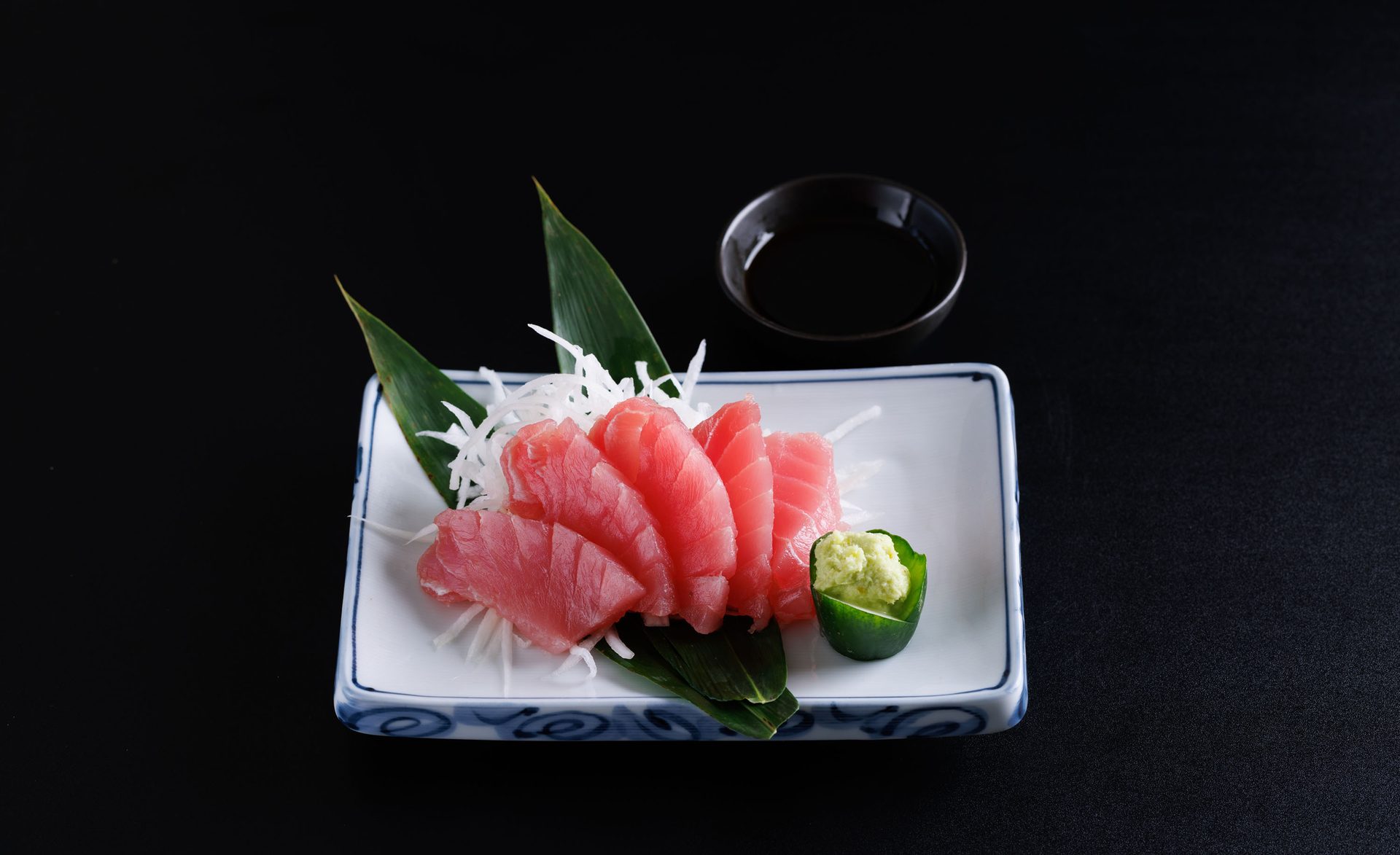
Image credit: piyato/iStock/Getty Images Plus via Getty Images
SCROLL DOWN
Fresh and frozen tuna refer to fish that have been caught and processed in short time frames to deliver fresh products to market quickly or maintained frozen to prevent bacterial growth. The industry is driven on quality to the point that all fish are graded, and handling is primarily geared to maintaining quality for the consumer.
This article focuses on fresh and frozen tuna used in sushi and sashimi applications and, as such, describes processing as it pertains to Yellowfin, Bigeye, and Bluefin tuna. Demand for Ahi tuna (Yellowfin and Bigeye) drives markets in Asia, the U.S. (Figure 1), and Europe and is considered a premium product that shapes economies, diets, and culture. In the U.S., Yellowfin is the predominant Ahi tuna import, with the top two exporting countries being Vietnam and Indonesia. The most common product types are frozen tuna loins, steaks, and saku blocks.2
FIGURE 1. Tuna imports to U.S. by product type, 2024 (metric tons) (Image credit: J. Wigglesworth, based on data from Infofish Trade News1)
Yellowfin Tuna Stocks, Sourcing, and Issues
Yellowfin tuna (Thunnus albacares) is generally accepted to be a single stock dispersed in the western and central regions of the Pacific Ocean. It is fished in waters from Hawaii and the Pacific Islands in the Central Pacific to Vietnam and Indonesia. Yellowfin tuna are characterized by a long, yellow dorsal fin and a yellow stripe down both sides. The yellow color for the dorsal fin is the characteristic of its Hawaiian name of "Ahi," meaning fire.
The fishery is considered stable and is not being overfished,3 with fishery methods focusing on floating object purse seine (FAD), unassociated purse seine (non-FAD), drifting longlines, hand-operated pole-and-lines, trolling lines, handlines, and hand-operated pole-and-lines.4 The main issues relate to the management of multi-gear fishing methods and the risk of bycatch landings.
Bigeye Tuna Stocks, Sourcing, and Issues
Bigeye tuna (Thunnus obesus) consists of two stocks in the Pacific Ocean, one in the Western and Central Pacific and one in the Eastern Pacific. Neither fishery is considered overfished based off assessments completed in 2023/2024.5 This species is considered highly migratory in the Pacific, Indian, and Atlantic Oceans. This species is captured using long lines, purse seine, pole and line, and trolling, and methods are in place to limit bycatch.
Bigeye Tuna are dark metallic blue on the upper sides and white on the lower belly, and it is hard to distinguish them from Yellowfin Tuna without training and experience.
Bluefin Tuna Stocks, Sourcing, and Issues
Bluefin tuna (Thunnus thynnus) is fished in the Western Atlantic from Newfoundland to the Gulf of America. It is not subjected to overfishing, but it has been managed by the International Commission for the Conservation of Atlantic Tunas since 2023. The population is managed as two stocks: Eastern Atlantic/Mediterranean Sea and Western Atlantic. Commercial fishing consists of long lines, handlines, and harpoons, with a small percentage being caught with purse seine nets.6
Bluefin is the largest of the commercially harvested tuna fish and can grow to over 2,000 lbs. and a length of 12 ft. While over half the global catch is sourced from the Atlantic, there is a historic fishery in the Mediterranean Sea. Bluefin has a blue upper body and silver-white coloring on the sides and belly, with small finlets down its back and a tail edged in black.
Food Safety Issues
Table 1 summarizes the various food safety issues associated with Ahi tuna and Bluefin tuna production, which are explained in more detail below.
TABLE 1. Food Safety Issues Associated with Ahi and Bluefin Tuna Production (Image credit: J. Wigglesworth)
Parasites
Tuna, like all living organisms, is vulnerable to parasites that can kill the fish or make the flesh inedible. However, sushi and sashimi prepared from tuna represent a low risk of infection with zoonotic parasites.7
Parasites of concern in tuna production include:
- Myxosporidian parasites. These parasites have a complex lifecycle resulting in the formation of spores that infect the muscle and release proteolytic enzymes after the fish is killed. This causes the muscle to liquify and is known as "sashi" to tuna buyers. It does not represent any human health risk but renders the product inedible.
- Ectocommensal copepods. These parasites are found on the surface of tuna, particularly in the gills. They can cause hemorrhage, necrosis, apoptosis, and mucosal hyperplasia, and while they do not represent a risk to human health, they can act as a mechanism to degrade quality.8
- Nematodes. These generally consist of Anisakis spp., with a complex ocean lifecycle involving marine mammals. They can multiply in tuna because tuna fish, like mammals, are able to increase their body temperature.9 If raw, unfrozen tuna contaminated with Anisakis is eaten by humans, it can cause anisakiasis, a foodborne illness characterized by gastrointestinal distress, nausea, vomiting, and fever, with the potential for allergic response and anaphylaxis.10
Histamine and Decomposition
Histamine in tuna can lead to a food intoxication known as scombroid poisoning. Symptoms can become evident within two hours after consumption and include facial flushing and sweating, burning or "peppery" taste sensations in the mouth and throat, dizziness, nausea, and headache advancing to facial rash, hives, edema, short-term diarrhea, and abdominal cramps. Severe cases may blur vision and cause respiratory stress and swelling of the tongue.11
The symptoms of scombroid poisoning are caused by elevated levels of a chemical called histamine, which is generated by bacterial action on an amino acid, histidine, in tuna meat when the fish is not rapidly chilled to temperatures below 4 °C. Essentially, histamine is a product of decomposition and probably the most common food safety concern associated with tuna. Histamine cannot be destroyed by cooking, and while levels above 100 mg/100 g of edible fish are typically associated with illness, the U.S. Food and Drug Administration (FDA) has set regulatory action at 50 mg/100 g.11 The only effective method to control the formation of histamine in tuna is rapid chilling of the fish immediately after death, which must begin on fishing vessels.
“Salmonella spp. and Listeria monocytogenes are not considered to be part of the normal flora of tuna habitat, and any presence is assumed to be related to cross-contamination during the processing phase.”

Bacterial Pathogens
Bacterial pathogens in tuna can be separated into two main groups:
- Indirect histamine-producing bacteria such as Morganella psychrotolerans, Photobacterium phosphoreum, Klebsiella variicola, and Pantoea agglomerans
- Direct human pathogens such as Salmonella spp. and Listeria monocytogenes.
The histamine-forming bacteria are known to be part of the natural microflora of the fish found in the gills, skin, intestines, and muscle tissues.12 They are assumed to be part of the normal microflora of the tuna habitat, with any pathogenicity being a function of temperature control of the meat after catching.
Salmonella spp. and Listeria monocytogenes are not considered to be part of the normal flora of tuna habitat, and any presence is assumed to be related to cross-contamination during the processing phase. There are no kill steps to eliminate both pathogens in raw tuna for sushi applications. The production of safe Ahi tuna depends largely on factories maintaining a high level of hygiene in the processing environment.
Mercury Content
Early awareness of the mercury content of tuna began in the 1970s13 and led to FDA establishing limits in the meat of 1 ppm. While there is no doubt that mercury is a naturally occurring element, present as methylmercury in tuna, there are no known, proven cases of a human suffering negative effects from eating tuna.14
The National Fisheries Institute explained the actual risk of mercury in tuna in a 2025 article, where it compared the FDA limit for mercury in seafood (1 ppm) and the actual mercury level in light tuna (0.13 ppm) to road speeds. A simple comparison shows that if the mercury level in light tuna is imagined as a car traveling in a 55-mile-per-hour (mph) zone, then it would be traveling at 5.5 mph. Furthermore, when considering FDA's ten-fold, built-in safety factor, the comparison is likened to a car traveling 0.55 mph in a 55-mph zone.15
Quality Grading and Defects
The statement that "experience is everything" is often attributed to Albert Einstein. Tuna grading would certainly support that philosophy, given that it is considered to be more of an art than a science—but one that has considerable impact on the business. On January 6, 2026, a price of $3.2 million was paid for a 535-lbs. Pacific Bluefin tuna equivalent to $5,981/lb. at Tokyo's Toyosu Market.16
Tuna grading consists of five criteria:
- Color/clarity
- Fat content
- Texture
- Size/shape
- Freshness.
Each criterion is a subjective evaluation based on experience. Table 2 shows a summary of the grading criteria.
TABLE 2. Grading Criteria for Tuna Fish (Image credit: J. Wigglesworth)
Sampling of the meat for grading occurs in the form of a tail cut, which is removed from the third finlet before the keel. The core sample is taken with a grading stick known as a "sashibo," which is a hollow, cylindrical, stainless steel rod that collects a six-inch-long core of tuna meat from above the pectoral fin (Figure 2).
FIGURE 2. Tuna Color Grading From Core Samples (Image credit: J. Wigglesworth)
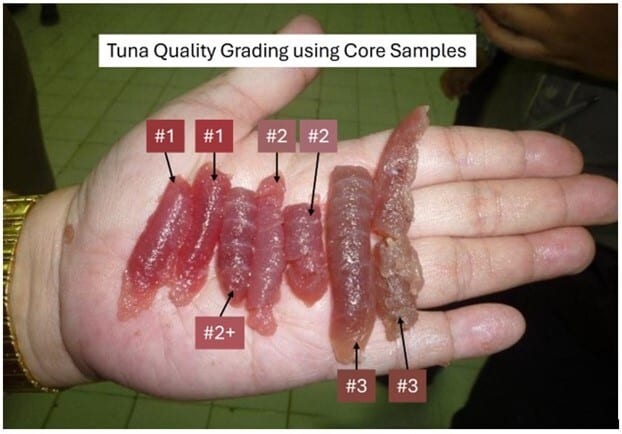
Tuna grade #1: This is the highest grade of meat, sometimes called sushi or sashimi grade, and is characterized by having a high fat content in the core sample and a ring of fat between the meat and the skin in the tail cut, a sticky texture to the meat, a bright red translucent color (Figure 3), and a weight in excess of 60 lbs.
FIGURE 3. Tuna Color Grading From Core Samples (Image credit: J. Wigglesworth)
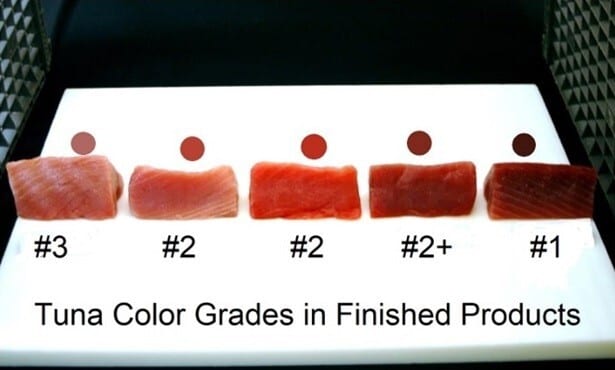
Tuna grade #2+: This grade of tuna is close to a #1 grade but has slightly lower fat content. The color is red but with less clarity and translucence. The texture is not as sticky, and the lower fat content will be evident in the meat. The size of the fish will be smaller, typically 50–60 lbs.
Tuna grade #2: This grade is typically a lower premium quality and is generally used in grilling applications and not for raw preparation. The fat content is much lower, the texture is much drier, and the meat feels coarse and grainy. The color is less red and sometimes has a brown appearance. There may also be damage to the meat, with blood spots and an uneven color range. The fish size will be less than 40–50 lbs.
Tuna grade #3: This is the lowest commercial grade of tuna and is not used for any raw applications; however, it is sometimes sent for pet food and canning applications. The lower quality is often due to poor handling, with fish being left on the long lines in the water for too long. The meat has a very low fat content and will feel dry in the sample, with an almost coarse texture. The color is usually a dark brown with little vibrant red.
Processing
Table 3 illustrates the processing steps for tuna. Once the loins have been removed from the tuna, the shelf life begins deterioration in terms of color. This occurs because myoglobin is a pigmented protein that stores oxygen in the muscle as deoxymyoglobin. When the loins are separated from the skeletal frame, the meat has an almost purple color because of deoxymyoglobin. This changes to a bright red color when exposed to the air, as the deoxymyoglobin converts to oxymyoglobin, which in turn converts to metamyoglobin, causing a brown color.
To avoid the generation of metamyoglobin, processors will often treat the product with carbon monoxide (CO). This stops the oxidation process by replacing the oxygen with CO, which binds to the myoglobin and creates carboxymyoglobin, which is watermelon red in color.
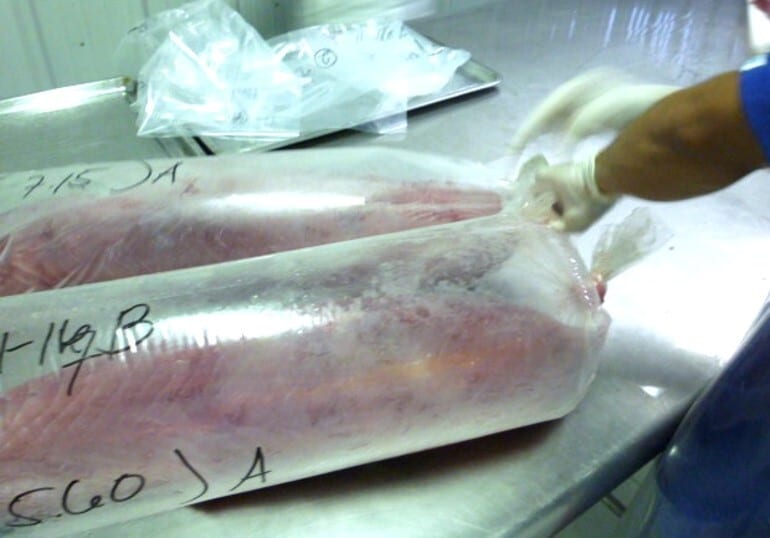
Treating tuna loins with CO first involves injecting the gas directly into the muscle (Figure 4), followed by bagging the loin in plastic sleeves (Figure 5), pumping more gas into the sleeve, and then sealing and storing at < 4 °C for 36–48 hours.
TABLE 3.
FIGURE 4. Injecting CO into Tuna Muscle (Image credit: J. Wigglesworth)
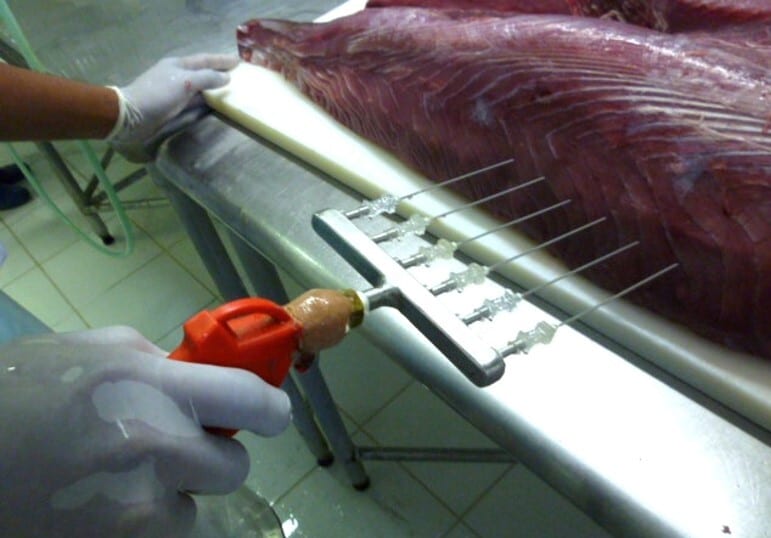
FIGURE 5. Bagging Tuna Loins in Plastic Sleeves (Image credit: J. Wigglesworth)
Product Types
After the loins are treated with CO, processing resumes, and the loins are transformed into various product types including saku blocks, center cut loins, steaks, poke cubes, and grind.
Saku blocks are rectangular blocks of tuna meat cut from the loins so that they can be vacuum packed and frozen in brine or blast freezers. They are designed to simplify restaurant applications and allow chefs to thaw and simply slice the block for use in sashimi applications. The name comes from the Japanese word for block, "saku," and the quality grading system (Table 4).
TABLE 4. Quality Grading System for Saku Blocks (Image credit: J. Wigglesworth)
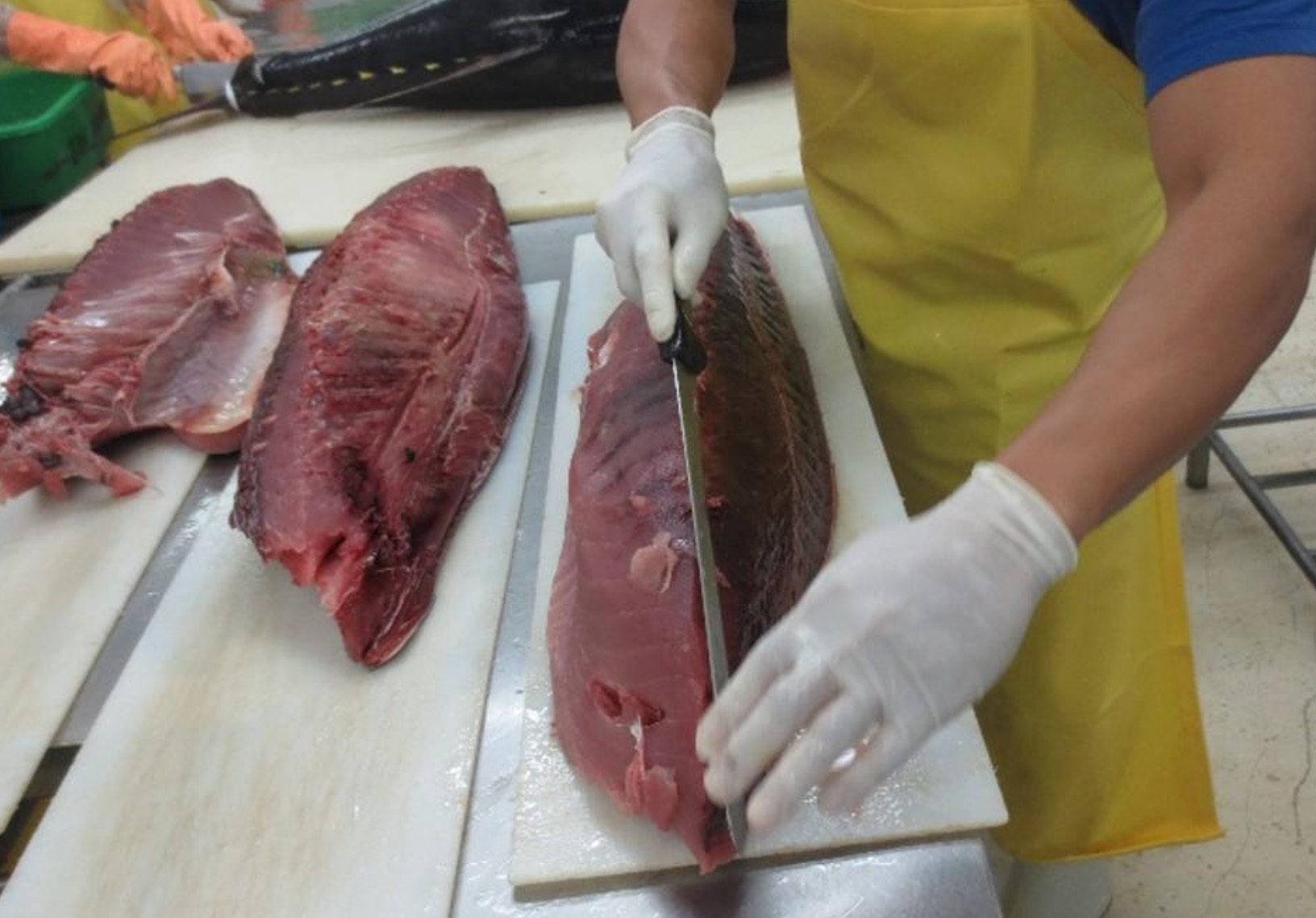
Center cut loins are middle loins that are cut to specific weights of 3–5 lbs. and 5–8 lbs., suitable for thawing in the restaurant and cutting (Figure 6).
FIGURE 6. Cutting 3–5 lb. Center Cut Loins (Image credit: J. Wigglesworth)
Steaks are cut from the #2 grade of tuna loin to approximate weights of 4 oz., 6 oz., 8 oz., or 10 oz., and used in grilling or searing applications.
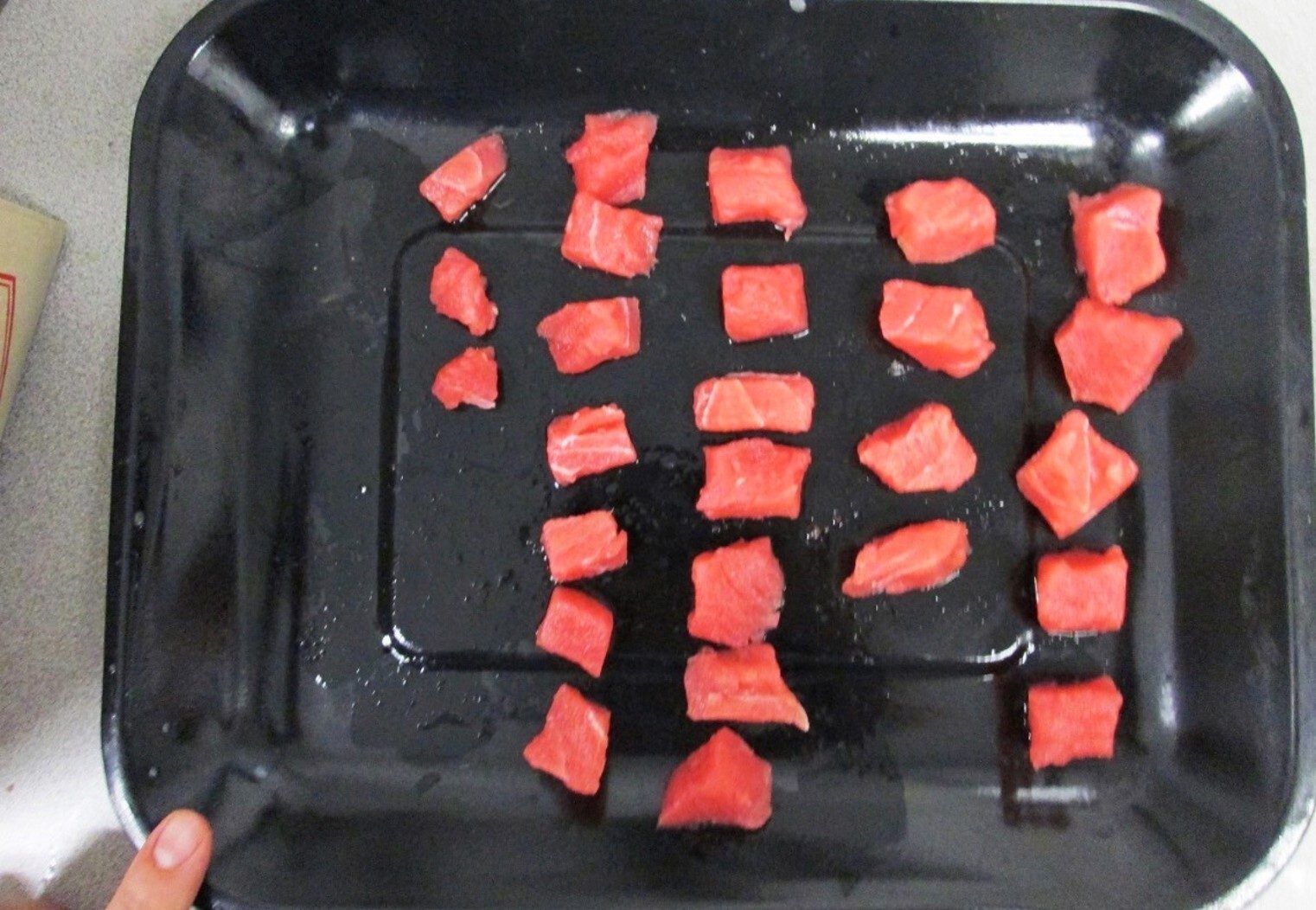
Poke cubes are usually cut from the trimming from the tuna loin and comprise small cubes of meat approximately 1.5 cm. × 1.5 cm. × 1.5 cm. (Figure 7).
FIGURE 7. Poke Cubes Cut from Trim (Image credit: J. Wigglesworth)
Grind comprises all the offcuts and trim from the loins that did not make it into other products. It is usually used in spicy tuna rolls in sushi, tuna burgers, and poke bowls.
It is important to understand that tuna processing, unlike other fish processing, requires the processing facility to create different products due to the large size of the tuna and the reality that few customers could take a whole tuna and utilize all the parts. Consequently, the fish is butchered to create a variety of products and utilize all the component parts.
Quality Issues and Defects
Tuna is like all other living organisms and can be subject to becoming a host for a variety of marine parasites. This section will focus on a variety of parasites, diseases, and defects that affect the safety and quality of fresh and frozen tuna, as summarized in Table 5.
TABLE 5. Defects Affecting the Safety and Quality of Fresh and Frozen Tuna (Image credits: J. Wigglesworth)
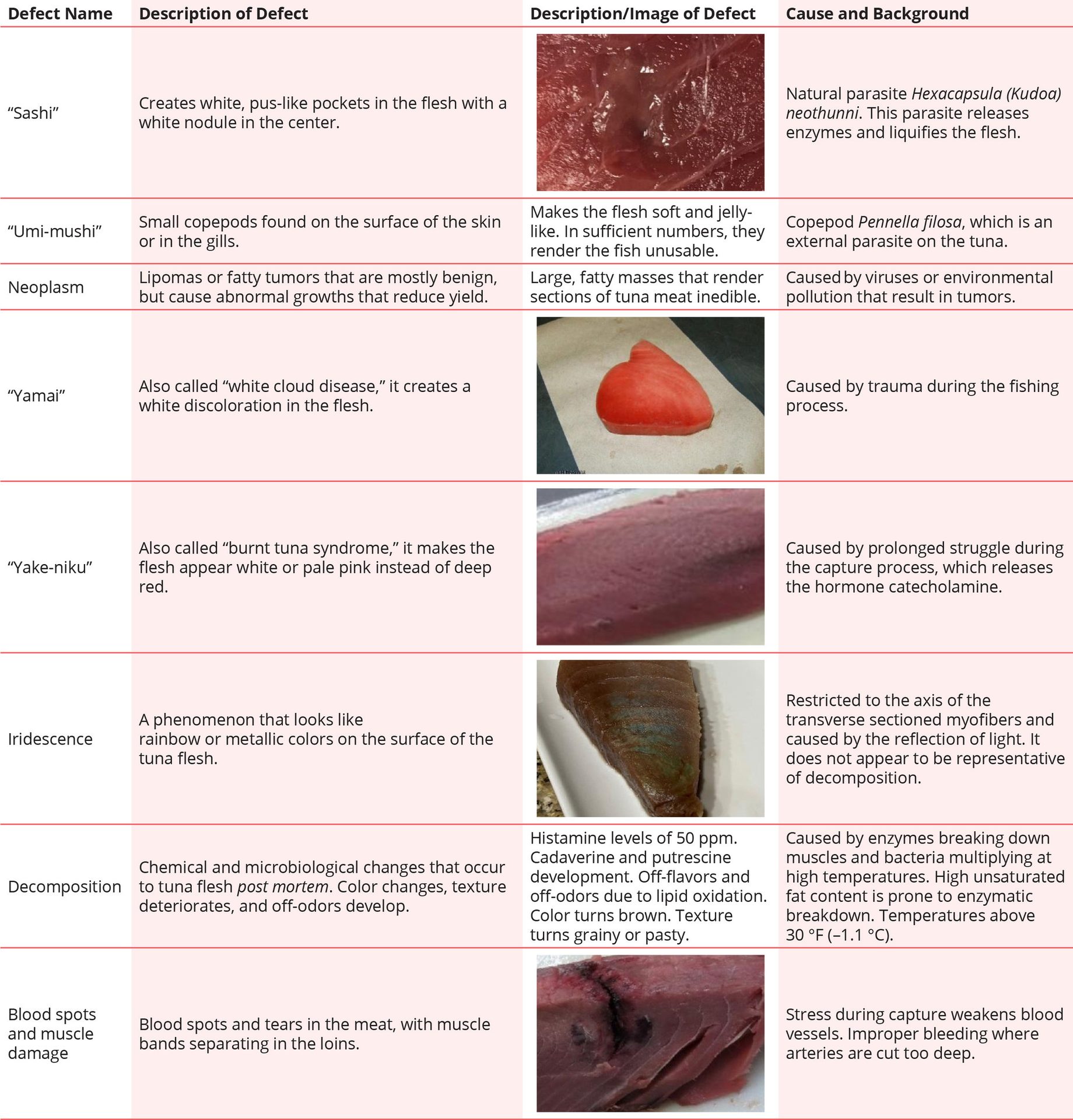
The result of most quality defects in tuna, with the exception of histamine, do not present a serious human health risk. However, because tuna is wild caught, there are few quality controls that can be applied prior to delivery to the processing facility. After delivery, the quality of the tuna flesh is finally revealed after butchering and loining, which has a significant impact on profitability.
Processing Variations and Preservation
Processing with carbon monoxide consists of treatment with CO generated from burning wood sawdust, washing the smoke in water, removing any combustion chemicals through activated charcoal, and compressing the CO (called "tasteless smoke") into gas cylinders. CO can also be generated industrially and compressed into cylinders for use. Either method generates gas that can be used in treating fresh tuna with CO to bind with myoglobin in the meat, helping stabilize the color.
If tuna is not treated with CO, it turns brown from the first day after butchering. The color change accelerates over seven days under refrigeration in vacuum packaging. Untreated tuna will always turn brown over time in refrigerated or frozen temperatures.
Table 6 shows the color deterioration of a piece of fresh Yellowfin tuna that was not treated with CO, and stored in normal atmosphere packaging for seven days at 39 °F (4 °C).
TABLE 6. Color Deterioration of Fresh Yellowfin Tuna Not Treated with CO (Image credits: J. Wigglesworth)
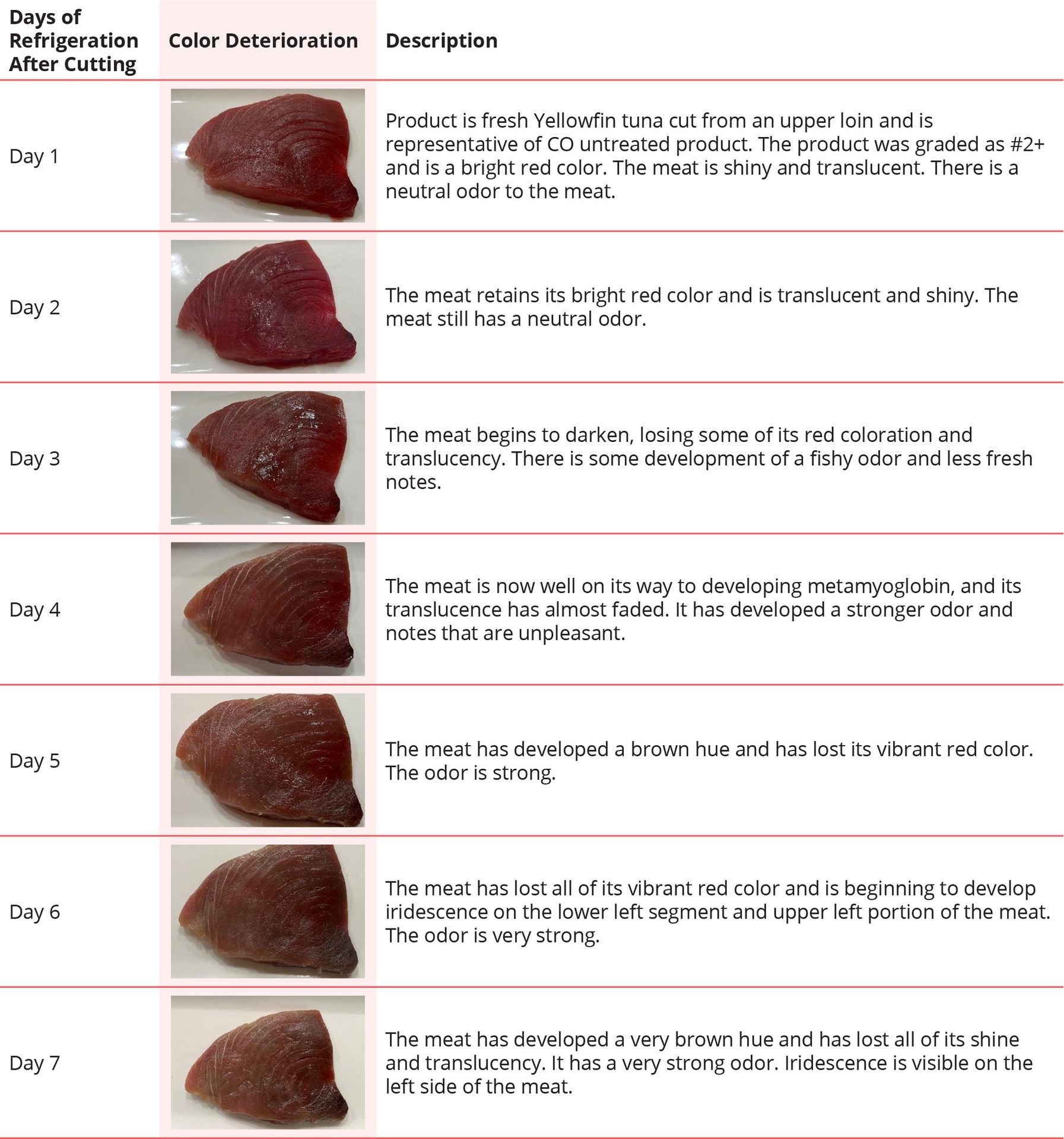
Treating tuna in the fresh state with CO supports color retention in finished product, which creates a watermelon red color for 3–12 months under frozen conditions. While CO-treated tuna is not unacceptable if correctly labeled, it has been associated with the treatment and sale of products that have undergone spoilage, since the CO fixes the color and hides the natural browning, creating an opportunity to deceive consumers.
Ultra-Low-Temperature (ULT) Tuna
ULT or "super-frozen tuna" is tuna that was caught and frozen on a ship at sea to achieve a core temperature of –76 °F (–60 °C) within four hours after being caught. The concept behind this process is that freezing at such a low temperature reduces cell damage, retains texture and color, and works to maintain levels of oxymyoglobin from oxidizing to metamyoglobin.17
The process consists of gutting, bleeding, and removing the tail before grading the fish in a fresh state, immediately after being caught but before rapidly freezing the fish while at sea. The product is then delivered to an onshore processing facility, where the butchering process is completed quickly in the frozen state, utilizing mechanical equipment rather than teams of fish processers using knives. The process takes less than ten minutes to prepare four loins from a ULT tuna, allowing the graded and butchered loins to be returned to cold storage at –76 °F (–60 °C).
The first real challenge with ULT tuna is presented by the fact that the entire distribution chain must use equipment designed to maintain temperatures of –76 °F (–60 °C). While this technology does exist, it comes at a cost.
The second challenge with super-frozen tuna is timing. It arrives as loins and must be delivered to a secondary processing facility to create the saku blocks, center cut loins, steaks, poke cubes, and grind. All the initial processing work must be completed, using mechanical equipment, before transferring the products back to cold storage and prior to delivery to restaurants or retail users.
Vitamin-Based Treatments
There is a recent rise in the practice of treating low-grade tuna with a cocktail of beetroot juice, paprika, ascorbic acid, and saline to give it a premium appearance, increasing value by 15–20 percent. This has led to controversy because processors, mainly located in Vietnam, are not declaring the color additives in the labels. Needless to say, this is not a high-grade product and constitutes food fraud.
Takeaway
The Ahi tuna industry is a lucrative business that primarily focuses on Yellowfin and Bigeye tuna. It generates products such as loins, steaks, saku blocks, and poke cubes used in the growing global sushi industry.
While tuna is a wild caught product, its quality and safety are arguably a function of handling, grading, and processing. The grading alone generates the opportunity to supply a range of quality to a broad range of outlets, from the premium level with costs of over $60/dish to the more affordable fast-casual offerings at $10–20/dish.
While the butchering of raw material is a relatively straightforward process, fresh and frozen product forms can be subjected to an array of treatments from ultra-low temperature to carbon monoxide to untreated with CO. Each treatment comes with its own array of benefits and controversies.
Food safety concerns regarding mercury and histamine can be managed and the risks mitigated, while other concerns involving harmful parasites and pathogenic bacteria must be carefully controlled.
Without doubt, the demand for Ahi tuna is here to stay, driven by health and nutrition, convenience, culinary trends, and globalization.
References
- Infofish trade News. "USA: Chilled & Frozen Tuna." November 15, 2024. https://v4.infofish.org/index.php/infofish-trade-news-usa-chilled-frozen-tuna.
- World integrated Trade Solution. "United States Frozen Yellowfin tunas imports by country in 2024." 2025. https://wits.worldbank.org/trade/comtrade/en/country/USA/year/2024/tradeflow/Imports/partner/ALL/product/030342.
- Vincent, M., N. Ducharme-Barth, P. Hamer, J. Hampton, G. Williams, and G. Pilling. "Stock assessment of Yellowfin tuna in the western and central Pacific Ocean." Western and Central Pacific Fisheries Commission. https://meetings.wcpfc.int/node/11694.
- Monterey Bay Aquarium Seafood Watch. "Seafood Watch® Standard for Fisheries." Version 4. April 2020. https://www.seafoodwatch.org/globalassets/sfw/pdf/standards/fisheries/seafood-watch-fisheries-standard-version-f4.pdf
- U.S. National Oceanic and Atmospheric Administration (NOAA) Fisheries. "Stock assessment of Bigeye tuna in the western and central Pacific Ocean: 2023." Last updated August 21, 2024. https://apps-st.fisheries.noaa.gov/stocksmart?stockname=Bigeye%20tuna%20-%20Western%20and%20Central%20Pacific&stockid=11684.
- Fishsource. "Atlantic bluefin tuna—Western Atlantic." October 2024. https://www.fishsource.org/stock_page/680.
- Nawa, Y., C. Hatz, and J. Blum. "Sushi Delights and Parasites: The Risk of Fishborne and Foodborne Parasitic Zoonoses in Asia." Clinical Infectious Diseases 41, no. 9 (November 2005): 1297–1303. https://pubmed.ncbi.nlm.nih.gov/16206105/.
- DiGregorio, R. Tuna Grading and Evaluation. 2nd Ed. Urner Barry, 2017.
- PlanetTuna. "Anisakis: How did it get to the fish in my dish?" 2021. https://planettuna.com/en/anisakis-how-did-it-get-to-the-fish-in-my-dish-find-out-about-anisakis-and-avoid-food-poisoning/.
- U.S. Centers for Disease Control and Prevention (CDC). "About Anisakiasis." January 31, 2024. https://www.cdc.gov/anisakiasis/about/index.html.
- U.S. Food and Drug Administration (FDA). "Scombrotoxin Poisoning and Decomposition." Current as of October 30, 2017. https://www.fda.gov/food/seafood-guidance-documents-regulatory-information/scombrotoxin-poisoning-and-decomposition.
- Taylor, S. and M. Speckhard. "Isolation of Histamine-Producing Bacteria from Frozen Tuna." National Marine Fisheries Service, Scientific Publications Office. April/May/June 1983. https://spo.nmfs.noaa.gov/sites/default/files/pdf-content/MFR/mfr454-6/mfr454-65.pdf
- Natural Resources Defense Council. "Tuna Time Bomb." August 13, 2015. https://www.nrdc.org/stories/tuna-time-bomb.
- Ralston N.V.C., C.R. Ralston, and L. J. Raymond. "Selenium Health Benefit Values: Updated Criteria for Mercury Risk Assessments." Biological Trace Element Research 171 (October 2015): 262–269. https://pmc.ncbi.nlm.nih.gov/articles/PMC4856720/.
- National Fisheries Institute. "Mercury Myth: Self Magazine Misses the Point." April 24, 2025. https://aboutseafood.com/blog/mercury-myth-self-magazine-misses-the-point/.
- Martin, G. "How Does a Bluefin Tuna Command $3.2 Million? The Answer Begins in the Waters Off Oma." Food and Wine. Updated January 7, 2026. https://www.foodandwine.com/most-expensive-bluefin-tuna-toyosu-fish-market-auction-kiyoshi-kimura-2026-11880241#:~:text=Kimura's%20richly%20deserved%20national%20nickname,the%20market's%20annual%20kickoff%20sale.
- Nakazawa, N., R. Wada, and H. Fukushima. "Effect of long-term storage, ultra-low temperature, and freshness on the quality characteristics of frozen tuna meat." International Journal of Refrigeration 112, no. 1 (April 2020): 270–280. https://www.sciencedirect.com/science/article/abs/pii/S0140700719305298.
John M. Wigglesworth, Ph.D., REHS/RS, CPFS, PCQI is a retired seafood technologist and consultant with over 34 years of experience working in the seafood sector. He holds advanced degrees in food science and technology and professional registrations in food safety and public health. After completing his Ph.D., he served as Technical Director for Ecuadminsa SA, a vertically integrated shrimp company in Ecuador. He then moved to Central America and worked for Seafarms International as Technical Director for the company's aquaculture and processing operations in Honduras, Venezuela, and the U.S. He has worked for seafood importers Mazzetta Company LLC and Chicken of the Sea Frozen Foods, sourcing seafood globally to supply foodservice, retail, and club outlets. He also worked for two Fortune 500 restaurant companies, Darden Restaurants and Brinker International, and a grocery retailer, Southeastern Grocers, with senior technical responsibility for seafood and other food products. His last position was Head of Supply Chain Assurance for the Aquaculture Stewardship Council in the Netherlands.